
How can we lower cholesterol levels to avoid serious health problems?
Introduction
How can we lower cholesterol levels to avoid serious health problems?
Introduction
The word "cholesterol" always sounds frightening, especially when your doctor points it out to you at your annual medical checkup. First, it should be noted that cholesterol, a waxy, fat-like substance that travels in the bloodstream, is not inherently bad. It is an important and necessary substance produced by the liver to support vital functions such as digesting fatty foods, producing hormones, and building cells. However, in addition to cholesterol excreted by the liver, humans also obtain cholesterol from food, especially animal products such as beef, poultry, dairy products, and eggs. Excessive accumulation of certain types of cholesterol can lead to serious health problems. The latest studies conducted by the Centers for Disease Control revealed that about 40% of Americans have high cholesterol levels. Elevated levels of cholesterol, especially the LDL type, cause plaque to build up in your arteries and increase your risk of a heart disease called atherosclerosis. HDL cholesterol, on the other hand, helps remove LDL cholesterol. Blood tests can determine if you have high cholesterol, and your doctor can recommend healthier diets, exercise, and medications. The good news is that you can stay ahead of the competition by eating more foods high in good cholesterol sources, increasing your fiber intake, and reducing unhealthy fats. Adding more vegetables, fruits, nuts, seeds, fish, and whole grains to your diet can help lower cholesterol levels and reduce plaque buildup.
Try these heart-healthy foods to lower cholesterol naturally.
Fruits

Whether served with fruit on top of oatmeal, mixed into a salad, or eaten alone as a filling snack, these fiber-rich treats can help control cholesterol levels. Adequate fiber intake (at least 25 grams per day) lowers LDL levels and supports healthy digestion. Raspberries contain 8 grams per cup. Strawberries are rich in polyphenols, plant compounds that naturally help regulate the cardiovascular system. Several studies have shown an association between regular consumption of blueberries and lower blood pressure. This is due to its circulatory effect on blood vessels (also known as "vasodilation"), which slows the rate of atherosclerosis. There is evidence that eating apples often lowers total cholesterol levels. This is thanks to the phenolic compounds found in apple peels, also known as antioxidants, which promote healthy cell function and good blood circulation. And do remember bananas! It lowers cholesterol by removing it from the digestive system and preventing it from entering the bloodstream and clogging arteries. For even more health benefits, place a slice of banana on top of your morning oatmeal and mix it with a tablespoon of chia seeds.
Beans

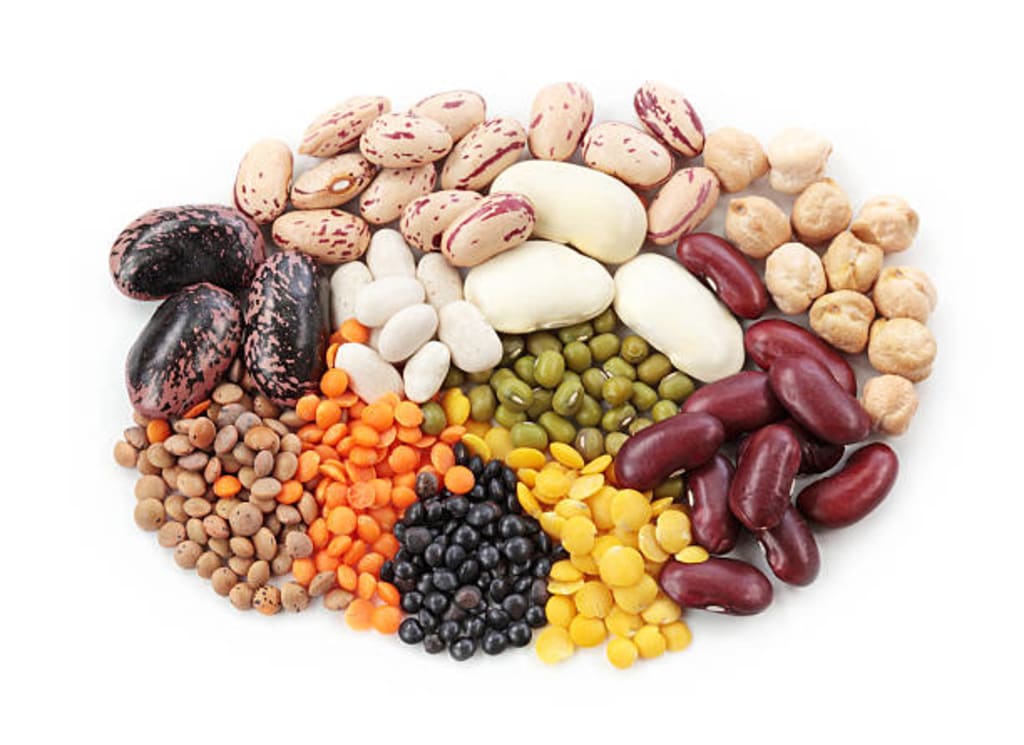
Increasing the amount of fiber in your diet is one of the best ways to manage your cholesterol levels. So eat your beans! Why?
Beans contain soluble fiber, which is thought to improve heart health. Chickpeas are superstars. Just 1/3 cup contains about 12 grams of fiber, which is half his daily requirement. Additionally, these hearty beans are rich in antioxidants, which have been associated with lower LDL levels.
Black beans are also high in fiber, with 8 grams and 100 calories per half cup. You can also take plenty of plant-based protein, which gives you a feeling of satiety. Legumes, like lentils, are ubiquitous today because they are rich in plant-based protein and fiber, as well as antioxidants, minerals, and B vitamins. All of these compounds help protect the body from plaque buildup while optimizing circulation and ensuring the body's efficient use of absorbed nutrients.
Leafy vegetables
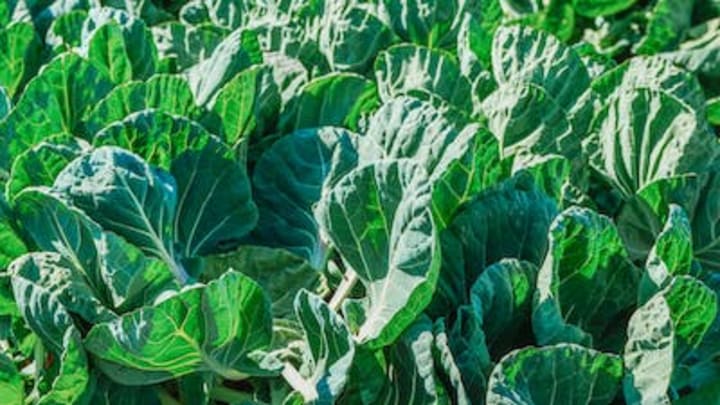
Adding more leafy greens to your diet can help lower cholesterol by boosting your body's production of nitric oxide (NO), which dilates blood vessels and reduces atherosclerosis. Kale is great for heart health as it is rich in potassium, magnesium, antioxidants, and fiber. Additionally, the minerals in cruciferous vegetables (such as cabbage and Brussels sprouts) help balance the effects of sodium and prevent high blood pressure.
Nuts

Data from the "Health Study" found that regular consumption of walnuts reduced the risk of heart disease. Eating just one serving of these nuts a week could reduce the risk of cardiovascular disease by up to 19%.
Peanuts contain antioxidants and anti-inflammatory substances that block the absorption of cholesterol in the intestine. If you're looking for a snack, buy almonds. Studies show that regular consumption of almonds improves cholesterol levels, maintains HDL levels, and lowers LDL levels, thus reducing the risk of heart disease. Studies have also shown that pistachios increase HDL cholesterol and lower LDL cholesterol. Rich in fiber and antioxidants, these nuts protect your body's cells from oxidative stress, the damage that causes plaque to form in your arteries.
Sweet potato, squash
Healthy tubers like sweet potatoes, butternut squash, and parsnips are low in calories, high in fiber, and rich in heart disease-fighting potassium and beta-carotene. Low in calories but high in fiber, pumpkin is rich in antioxidants and a seasonal alternative to sweet potatoes.
Oats and quinoa
According to the British Journal of Nutrition, oats contain a type of soluble fiber called beta-glucan, which has been linked to lower LDL levels. It does this by absorbing water in the gastrointestinal tract and removing excess saturated fat before it enters the bloodstream. Recent research shows that cooking more quinoa may improve total cholesterol and triglycerides and lower LDL levels, which may lower your risk of heart disease. This is thanks to the antioxidants, fiber, and B vitamins in healthy grains that improve blood flow.
Avocado and avocado oil
Avocados are rich in heart-healthy unsaturated fats and fiber, which may reduce the risk of cardiovascular disease and stroke. Clinical studies have consistently found that eating avocados lowers LDL cholesterol levels and has a positive impact on lipid and lipoprotein profiles. Avocado oil is extracted from the pulp of the avocado fruit and shares many of the same benefits. Rich in heart-healthy monounsaturated fats, it may help lower high blood pressure and cholesterol.
Fat fish
Salmon is one of the best natural sources of omega-3 fatty acids and has many health benefits, including reduced inflammation and triglycerides. Whether you eat raw or canned tuna, eating at least two servings of tuna a week can slow the rate of plaque buildup, according to the American Heart Association. The omega-3 fatty acids found in fish also help lower levels of triglycerides, another risk factor for heart disease.
Olives and olive oil
This Mediterranean diet staple is rich in monounsaturated fats, a type of fat that has been linked to improving total cholesterol levels. Certain compounds in olives may also limit the triggering of inflammatory processes, another risk factor for high cholesterol. Additionally, like other vegetable oils, olive oil is rich in antioxidants such as canola, avocado, flaxseed, peanuts, sesame, coconut, and walnuts.
Buckwheat, barley, and bulgur
These high-fiber grains have similar cholesterol-lowering benefits to oats, but what I love most about B-grains is their versatility. Try buckwheat or buckwheat flour in pancakes, barley in soups, and bulgur in salads and cereals for a healthy intake of soluble fiber.
Soy food

Studies have linked soybeans, tofu, and soy milk to lowering cholesterol, but edamame is another delicious way to lower bad cholesterol by replacing other proteins typically high in saturated fat. Edamame is also rich in dietary fiber, so it also has the effect of suppressing appetite. High-protein, unsweetened soy milk is packed with plant-based antioxidants and minerals that help improve lipid levels. That's because it has less saturated fat than other vegan alternatives (coconut milk). The sugar-free version contains no hidden sugar additives. So use them in your morning latte for more cholesterol-lowering caffeine.
FAQs.
Q1: Can I still eat foods that contain cholesterol?
Although some foods contain cholesterol, the saturated and trans fats they contain have a major impact on raising LDL cholesterol levels. It's important to limit your consumption of these unhealthy fats.
Q2: Are there any dietary supplements for cholesterol?
Certain dietary supplements, such as plant sterols, soluble fiber supplements, and fish oil, have been shown to lower cholesterol levels. However, before thinking about supplements, it is best to consult a doctor.
Q3: If exercise alone can lower cholesterol,
Regular exercise can have a positive effect on cholesterol levels by increasing levels of high-density lipoprotein (HDL), also known as "good" cholesterol. However, to attain good results, it is necessary to combine exercise with a healthy diet.
Q4. How long will it take for cholesterol levels to improve after changing diet and lifestyle?
It differs from individual to individual. However, with consistent adherence to a heart-healthy diet and lifestyle changes, many people can experience positive changes within a few months.
Q.5: What foods should I avoid to decrease my cholesterol?
It's best to limit foods high in saturated and trans fats, such as fried foods, processed snack foods, fatty meats, full-fat dairy products, and bakery items. These foods may raise LDL cholesterol levels and increase your risk of heart disease.
Conclusion
Lowering cholesterol levels is essential for maintaining heart health and reducing the risk of serious health problems. Consuming a balanced diet that includes heart-healthy foods like fruits, vegetables, nuts, whole grains, and lean protein, combined with regular exercise and lifestyle changes, can effectively control cholesterol levels. Always ask your doctor for personal advice and instructions.
Disclaimer: The information contained in this article is for educational and informational purposes only and is not intended as health or medical advice. Always consult a physician or other qualified health provider regarding any questions you may have about a medical condition or health objectives.
Reading ref...........
https://dayowls.blogspot.com/2023/06/how-can-we-lower-cholesterol-levels-to.html
https://health2livefit.wordpress.com/2023/06/21/how-can-we-lower-cholesterol-levels-to-avoid-serious-health-problems/(opens in a new tab)
About the Creator
ghulam muhammad
Name: Ghulam Muhammad
Freelance Health and wellness Blogger,
Blog sites: health2livefit.wordpress.com
https://dayowls.blogspot.com/
Keep reading
More stories from ghulam muhammad and writers in Families and other communities.
Ginger, A miracle for health
Ginger, A miracle for health Introduction Ginger is thought to have many health benefits due to its anti-inflammatory, anti-nausea, and other properties. It can help you lose weight, treat arthritis, relieve menstrual cramps, and more. Ginger comes from a flowering plant native to Southeast Asia. It adds flavor to both sweet and savory foods and provides many health benefits. It belongs to the ginger family and is closely related to turmeric, cardamom, and galangal. The underground part of the stem is called a rhizome and is mostly consumed as a spice. It is often called "root ginger" or simply "ginger." It can be used as fresh ginger, dried ginger, powdered ginger, or as an oil or juice. It is found in many recipes as well as processed foods, home remedies, and cosmetics.
By ghulam muhammad3 years ago in Families
Christmas Abroad: Celebrating the Holidays Without Family
I moved to South Korea in 2017. I was twenty-two years old and excited to start my career as an English Second Language Teacher. With a Bachelor's degree and six hundred dollars in my bank account, I set off for Busan.
By Kera Hollowabout a month ago in Families
The quiet sound of families breaking
There is a kind of silence that is louder than any noise. It is the silence of a child waking in the night and realizing their parent is gone. It is the silence of a kitchen table with one chair suddenly empty. It is the silence of a home that still looks the same, but no longer feels the same. Across the United States, thousands of families live inside that silence. Not because of war. Not because of disaster. Not because of death. But because of policy.
By Kaylee Souther3 days ago in Families
📢 Raise Your Voice Thread: 01/08/2026
Our “Raise Your Voice Threads” are hosted most alternating Thursdays at 12PM ET to offer creators more avenues to uncover exceptional stories on Vocal. As we are continuously searching for fresh creators and inspiring stories, this thread provides an opportunity to exchange and discuss the stories that have moved and motivated us on Vocal.
By Raise Your Voice by Vocal7 days ago in Resources


Comments
There are no comments for this story
Be the first to respond and start the conversation.