
Home Swimming Pool Safety Tips for Parents
Tips for Parents to Ensure Swimming Pool Safety

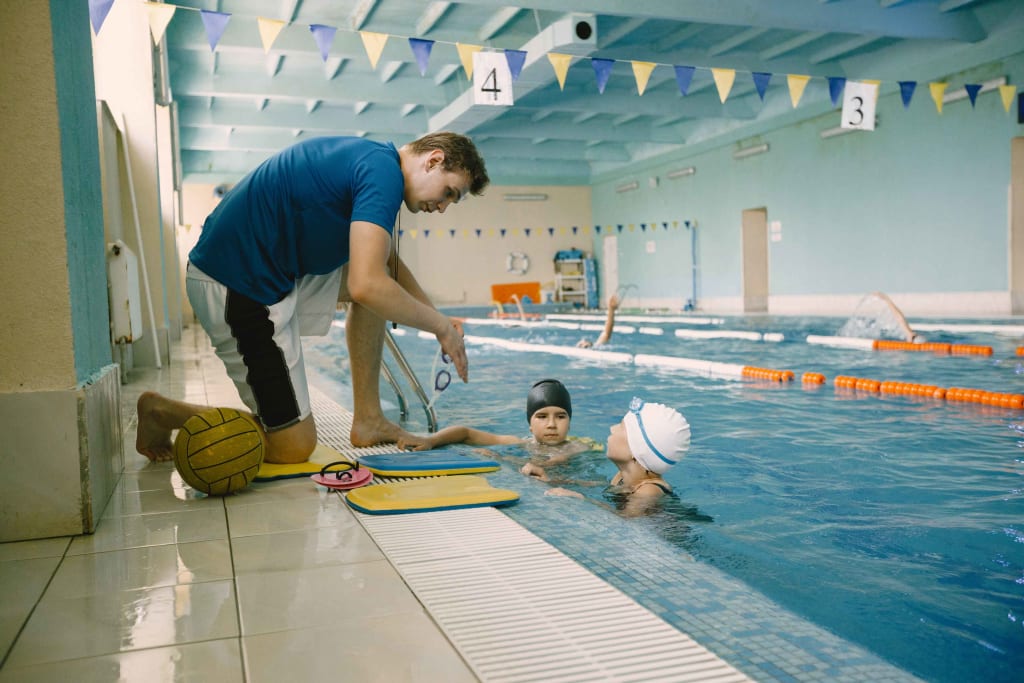
The weather will become warmer as it will soon be summer. This means your child would like to spend more time playing in the pool. However, as a parent, it is your responsibility to keep the pool safe for your children besides just keeping it an exciting and fun zone. The CDC reports that drowning is a recognizable cause of accidental deaths in children. In fact, drowning is the leading cause of accidental injury death in young children ages 1-4.
Every year, swimming pool incidents at home cause almost 900 deaths and thousands of non-fatal injuries. To avoid these incidents, parents and other supervising adults should follow some pool safety measures.
Tips for Parents to Ensure Swimming Pool Safety
Though drowning and other accidents and injuries can happen in no time, you can prevent them by following certain precautionary measures, including:
- Supervise Your Child
- Install Barriers:
Don’t assume that your child will yell for assistance if they get into trouble, as just a few seconds is all it takes for a child to drown. So, ensure you never take your eyes off your child to save them from regrettable incidents.
Designate a water watcher when multiple children are present in and around your pool. The water watcher should constantly supervise the children (without any distractions) and be within arm’s length of young children, regardless of whether they know how to swim or not.
Ensure you install a four-sided (closing on all sides) pool fence of at least five-feet height with a self-closing, locked gate. This will prevent children from climbing over the pool while prohibiting their entry to the pool unsupervised. This is a California state requirement.
For added protection, you can install alarms on your home’s windows or doors so that you will get alerts if your child goes outside without permission. If you have an inflatable pool or an above ground hot tub that cannot be fenced, use locking pool covers to properly cover them when not in use.
- Join Your Child in Swimming Classes
Enrolling your child in swimming classes is another way to save them from drowning. However, learning to swim does not mean that no supervisor or water watcher is required. Swimming lessons can be helpful, but cannot completely prevent drowning, so don't leave your child unattended even if they know swimming.
You must also teach basic water safety skills to your child to make their swimming time safe. The skills may include swimming at a safe depth, grabbing the side when in trouble, practicing survival floating, not engaging in breath-holding activities, etc.
- Have Your Pool Well-Maintained
Your pool water turns dirty after some time of usage. If not cleaned, it can be a breeding ground for algae, bacteria, viruses, and other infectious microorganisms. This could be a potential health risk for your child.
So, it is crucial to regularly clean your pool. You can use disinfectants like chlorine in your pool to fight germs. Also, ensure your pool water is chemically well-balanced, as too much chlorine and other chemicals can cause eye and skin irritation, while too little won’t be effective against germs.
- Teach Your Child Safe Behavior
To reduce your child’s risk of drowning in the pool, teach them some safe behaviors, including:
- No Running Around the Pool Area – The surface in and around your pool is likely to be wet, so running around could result in slips and falls, causing serious injuries.
- No Diving in the Shallow Water – Diving into pools can lead to injuries ranging from mild to moderate scrapes to broken bones and concussions.
- Avoiding Roughhousing/Horseplay in the Pool – Roughhousing or horseplay, like jumping on each other or holding one under the water can lead to drowning accidents.
- Be Prepared for Emergency
Despite how well you follow all safety measures, accidents can happen. So, to be prepared for the unplanned, you must learn to perform first aid and CPR (cardiopulmonary resuscitation) in children, which helps regulate breathing and blood circulation to the brain, heart, and other organs until medical intervention is provided.
This will help increase their chances of survival if accidental drowning occurs. Also, keep your phone (to contact a doctor immediately) and other emergency supplies like pool safety equipment and life preservers nearby so that you can use them to help those in danger.
With these safety tips, you can have your child enjoy their time in and around the swimming pool without being concerned about those unfortunate mishaps. Nevertheless, if you need immediate medical attention for your child for any non-fatal drowning-related injuries, walk into one of our urgent care centers today for prompt care and assistance.
About the Creator
Kristina Leatherman
Published on behalf of FCCMG Irvine Urgent Care and Walk-In Clinic, managed by Kristina Leatherman. We provide fast, compassionate walk-in care for illnesses, injuries, and preventive health needs across Orange County. Visit Our Website
Keep reading
More stories from Kristina Leatherman and writers in Families and other communities.
Tips You Might Need for the Worst Mosquito Season in Years
As the weather warms in Orange County, a familiar foe returns to night-time and and outdoor activities: mosquitoes! These tiny insects cause annoying, itchy bites, but they can also be related to troublesome medical problems.
By Kristina Leatherman4 months ago in Lifehack
The Day I Saw My Father Cry
Most of us grow up believing that our parents are unbreakable. As children, we see them as pillars of strength—people who always know what to do and how to solve every problem. Especially fathers. They are often seen as the strong ones, the protectors, the people who never show weakness. For most of my life, I believed that about my father. Until the day I saw him cry.
By Shoaib Afridi3 days ago in Families




Comments
There are no comments for this story
Be the first to respond and start the conversation.