
Hidden Hazards
The Dangers of Indoor Air Pollution

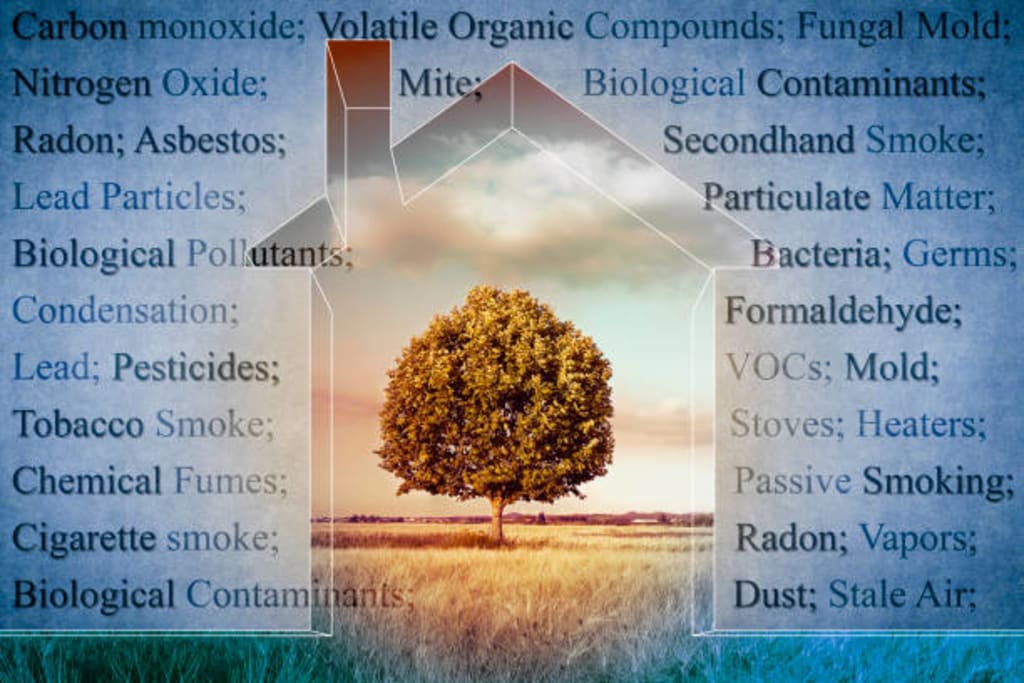
Welcome to our discussion on indoor air pollution, a topic that is both important and unfortunately, often overlooked. While we may not think about the air we breathe inside our homes and workplaces, the truth is that the air we inhale indoors can be just as, if not more, harmful than the air outside. Unfortunately, indoor air pollution is a serious issue that can have significant negative impacts on human health.
Indoor air pollution is not just a problem for people living in developing countries, it affects people all around the world, regardless of their socioeconomic status. The sad truth is that we spend most of our time indoors, whether it's at home, at work, or at school, and the air we breathe in these spaces can be filled with a variety of harmful pollutants. Chemicals from cleaning products, personal care products, and building materials can all contribute to poor indoor air quality. And let's not forget about mold, radon, and pesticides, which can also be significant sources of indoor air pollution.
It's important to understand that indoor air pollution can occur even in new, well-maintained buildings. This is because many of the products and materials we use to construct and maintain our buildings can release pollutants into the air over time. So, even if a building is new, it doesn't necessarily mean the air inside is safe to breathe.
We know this is a lot to take in and it can be overwhelming and sad to think about, but it's important to be aware of the risks associated with indoor air pollution. By understanding the problem, we can take steps to mitigate these risks and improve the air we breathe. We hope that by the end of this discussion, you will have a better understanding of indoor air pollution and the steps you can take to improve the air quality in your own home and workplace.
Sources of Indoor Air Pollution
As we dive deeper into the topic of indoor air pollution, it's important to understand the various sources that contribute to poor indoor air quality. Unfortunately, the list is quite extensive, and it can be overwhelming and sad to think about the number of things that can harm the air we breathe inside our homes and workplaces.
One of the most common sources of indoor air pollution is chemicals and pollutants from building materials, cleaning products, and personal care products. These products can release harmful chemicals into the air, such as volatile organic compounds (VOCs), which can have negative effects on human health.
Another significant source of indoor air pollution is mold. Mold can grow in damp or humid environments, and it can release spores into the air, which can cause respiratory problems, allergies, and other health issues.
Radon, a naturally occurring gas that can seep into buildings from the ground, is another source of indoor air pollution that can be particularly dangerous. Radon is a carcinogen and long-term exposure to high levels of radon can increase the risk of lung cancer.
Pesticides, which are commonly used to control pests in and around buildings, can also contribute to indoor air pollution. Pesticides can release harmful chemicals into the air, which can have negative effects on human health.
It's important to mention that all these sources of indoor air pollution are not limited to certain type of building, they can be found in any building regardless of its age or location.
We understand that this is a lot of information to take in and it can be overwhelming and sad to think about the potential dangers lurking in the air we breathe inside our homes and workplaces. But by understanding the sources of indoor air pollution, we can take steps to reduce our exposure to these pollutants and improve the air quality in our homes and workplaces.
Health Effects of Indoor Air Pollution
As we continue to explore the topic of indoor air pollution, it's important to understand the various health effects that have been linked to poor indoor air quality. Unfortunately, the list of health effects associated with indoor air pollution is extensive, and it can be overwhelming and sad to think about the potential harm that can come from the air we breathe inside our homes and workplaces.
One of the most common health effects associated with indoor air pollution is respiratory problems. Long-term exposure to indoor air pollutants can cause or worsen asthma, bronchitis, and other respiratory conditions. It can also lead to an increase in allergies and sinusitis.
Indoor air pollution can also have a negative impact on cardiovascular health. Long-term exposure to indoor air pollutants has been linked to an increased risk of heart disease and stroke.
Perhaps most concerning, is the link between indoor air pollution and cancer. Certain pollutants, such as radon, have been classified as carcinogens, and long-term exposure to these pollutants can increase the risk of lung cancer and other types of cancer.
It's important to mention that certain populations, such as children, the elderly, and people with pre-existing health conditions, may be particularly susceptible to the negative effects of indoor air pollution. Children and elderly are more vulnerable to respiratory infections, allergies, and even cognitive impairments due to poor indoor air quality.
We understand that this is a lot of information to take in and it can be overwhelming and sad to think about the potential health risks associated with indoor air pollution. But by understanding the health effects, we can take steps to reduce our exposure to these pollutants and improve the air quality in our homes and workplaces, thus protecting our health and the health of our loved ones.
Strategies for Reducing Indoor Air Pollution
As we've discussed, indoor air pollution is a serious issue that can have significant negative impacts on human health. But there is hope, and there are steps we can take to reduce our exposure to indoor air pollutants and improve the air quality in our homes and workplaces.
One of the most effective ways to reduce indoor air pollution is to use natural cleaning products. Many conventional cleaning products contain chemicals that can release harmful pollutants into the air. By switching to natural cleaning products, we can reduce our exposure to these pollutants and improve the air quality in our homes and workplaces.
Improving ventilation is another important step in reducing indoor air pollution. By ensuring that fresh air can circulate through our homes and workplaces, we can reduce the concentration of indoor pollutants and improve the overall air quality.
It's also important to be aware of the potential sources of indoor air pollution in our homes and workplaces, such as lead, asbestos, and radon. By taking steps to reduce our exposure to these pollutants, we can improve the air quality in our homes and workplaces and protect our health.
It's also important to maintain and improve the indoor air quality by regular cleaning and airing out the rooms. This can help to remove pollutants from the air and improve the overall air quality.
We understand that it can be overwhelming to think about all the different sources of indoor air pollution and the potential health risks associated with poor indoor air quality. But by taking steps to reduce our exposure to indoor air pollutants, we can improve the air quality in our homes and workplaces and protect our health. The fact that we have the power to improve our indoor air quality is something to hold on to and should give us hope for a healthier future.
Conclusion
We've covered a lot of information in this discussion on indoor air pollution, and we hope that you now have a better understanding of the problem and the potential health risks associated with poor indoor air quality.
We've discussed the various sources of indoor air pollution, such as chemicals and pollutants from building materials, cleaning products, and personal care products, mold, radon, and pesticides. We've also covered the various health effects that have been linked to indoor air pollution, such as respiratory problems, allergies, and even cancer.
We've also talked about the various strategies for reducing indoor air pollution, such as using natural cleaning products, improving ventilation, air conditioning, investing in air purifiers, reducing exposure to toxic materials such as lead, asbestos, and radon, and maintaining and improving the indoor air quality by regular eco-friendly cleaning and airing out the rooms.
It's important to remember that indoor air pollution is a serious issue that can have significant negative impacts on human health. But by understanding the problem and taking steps to reduce our exposure to indoor air pollutants, we can improve the air quality in our homes and workplaces and protect our health.
We understand that this is a lot of information to take in and it can be overwhelming to think about the potential dangers lurking in the air we breathe inside our homes and workplaces, but knowledge is power. By understanding the problem, you are now equipped with the knowledge to take action and improve the air quality in your home. This is the most important message we want to leave you with today.
So, take some time to assess the air quality in your home, and take the necessary steps to improve it. You, your family and your loved ones will thank you for it.
About the Creator
Sivakumar Micheal
Go Green Save the Earth
Let's make a different together
I'm a person concerned about the preservation and protection of the natural environment and works to promote sustainable practices and policies.
Keep reading
More stories from Sivakumar Micheal and writers in Families and other communities.
The Impact of Air Conditioning on Indoor Air Quality and Human Health
Understanding the Role of Air Conditioning in Indoor Air Pollution The relationship between air conditioning systems and the quality of the air inside buildings. Air conditioning systems can have both positive and negative effects on indoor air quality. On one hand, they can help to filter out pollutants and maintain a comfortable temperature, but on the other hand, they can also contribute to the buildup of pollutants and the spread of disease if not properly maintained.
By Sivakumar Micheal3 years ago in Families
My Favorite Slime Recipe
A few years ago, making your own slime was all the rage. People swapped recipes and even swapped slimes. Now, you can buy all the pre-made slime you want, in a variety of colors, textures, and themes. But there is something special about creating your own slime. This activity is great for keeping children busy on a rainy day, or helping them learn to follow step by step directions.
By Angel Mann7 days ago in Families
Punch the Macaque: The Baby Monkey Who Found Comfort in a Plush Friend
Today we look back at one of the most unexpected viral stories of 2025—a tale that began quietly in a zoo in Japan and grew into a global symbol of resilience and tenderness. It is the story of Punch, a Japanese macaque born in July 2025 at Ichikawa City Zoo in Chiba Prefecture. His life began with hardship, but what followed has touched millions across the world.
By Haroon Pasha4 days ago in Families




Comments
There are no comments for this story
Be the first to respond and start the conversation.