
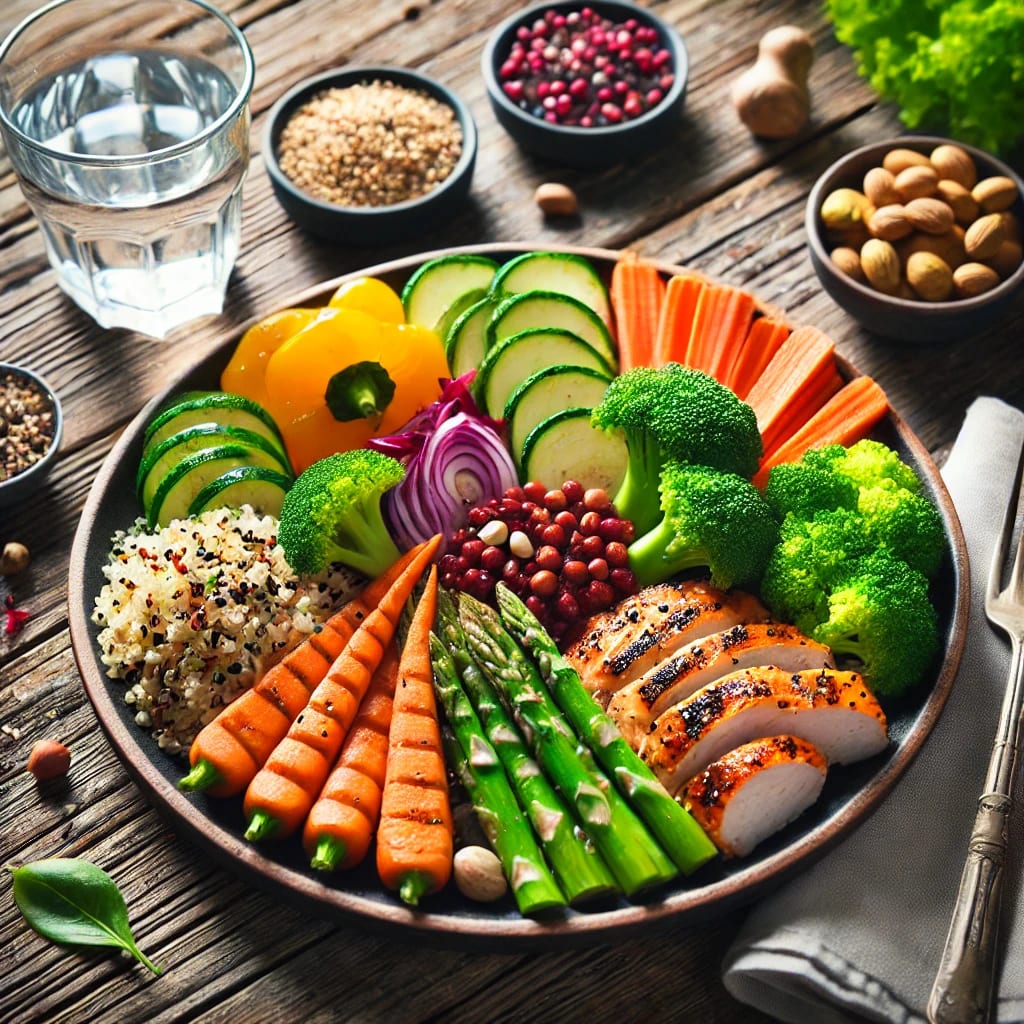
Introduction to Health and Weight Loss
Health and weight loss are topics that permeate countless conversations, often surrounded by conflicting advice and unrealistic expectations. The pursuit of a healthier body weight is frequently reduced to numbers on a scale, overlooking the intricate relationship between physical, mental, and emotional well-being. Achieving weight loss should not mean compromising health; instead, it should be a journey toward vitality, energy, and a balanced life.
Common misconceptions persist in the weight loss narrative, such as equating extreme calorie restrictions with success or believing certain foods are “magic” for burning fat. These myths create a cycle of frustration, leading to short-lived results and eroding self-confidence. A comprehensive understanding of health and weight loss enables individuals to rise above the noise and focus on meaningful, lasting change.
The Science Behind Weight Loss

At its core, weight loss operates on the principle of energy balance: consuming fewer calories than the body expends. However, this simplicity belies the complex systems at play. Metabolism—the biochemical process through which the body converts food into energy—varies based on genetics, age, body composition, and even sleep quality. Some individuals naturally have a more efficient metabolic rate, making weight loss comparatively easier.
Hormones add another layer of complexity. Insulin regulates blood sugar levels and fat storage, while cortisol, the “stress hormone,” can encourage fat accumulation when elevated chronically. Leptin and ghrelin, often referred to as the hunger and satiety hormones, signal the brain when to eat and stop eating. Disruptions in these hormonal systems—due to stress, poor sleep, or unhealthy diets—can derail even the most disciplined efforts. Understanding these mechanisms is essential for approaching weight loss scientifically and sustainably.
Nutrition: The Cornerstone of Weight Loss
Nutrition is the keystone of any successful weight loss journey. While trendy diets like keto, paleo, or juice cleanses often promise dramatic results, they seldom address the individual’s unique needs or long-term sustainability. Effective weight management begins with understanding the roles of macronutrients.
Proteins: Essential for muscle repair and satiety, protein-rich foods like lean meats, beans, and tofu keep hunger at bay while preserving muscle mass.
Carbohydrates: Often vilified, carbohydrates provide the body’s primary energy source. Opting for complex carbs such as whole grains and legumes ensures a steady release of energy without spikes in blood sugar.
Fats: Healthy fats, found in avocados, nuts, and fish, are vital for brain function and hormone production.
Micronutrients—vitamins and minerals—play supporting roles in enzymatic reactions and immune health. Incorporating colorful fruits, leafy greens, and diverse vegetables ensures these critical nutrients are part of the diet. Ultimately, a balanced approach, free from extremes, lays the groundwork for long-term success.
Exercise and Physical Activity

While nutrition is foundational, exercise is the catalyst that accelerates progress. The key is finding a balance between cardiovascular activities and strength training.
Cardio Exercises: Activities such as running, swimming, or cycling increase heart rate and burn calories efficiently. They also improve cardiovascular health, reducing the risk of chronic diseases.
Strength Training: Building muscle through resistance exercises not only sculpts the body but also raises the resting metabolic rate, allowing for greater calorie burn even at rest.
Flexibility and Balance: Practices like yoga or Pilates enhance core strength, reduce the risk of injury, and improve overall mobility.
Engagement is critical for adherence. A routine that combines variety—like alternating gym sessions with outdoor hikes or dance classes—keeps the journey enjoyable and sustainable.

Psychological and Emotional Factors
Weight loss is as much a mental endeavor as a physical one. Emotional triggers, societal pressures, and stress can all derail progress. Chronic stress elevates cortisol levels, which can lead to increased fat storage, particularly in the abdominal area. Furthermore, emotional eating—turning to food for comfort—often undermines efforts by creating a cycle of guilt and overindulgence.
Breaking these patterns requires self-awareness. Mindfulness techniques, such as journaling or meditation, help individuals identify emotional triggers and develop healthier coping mechanisms. Building a supportive environment—whether through therapy, coaching, or community groups—provides the encouragement needed to stay committed during challenging times.
Sustainable Weight Loss Strategies
The allure of rapid results often leads to burnout. Sustainable weight loss requires patience and the implementation of gradual, manageable changes. Start small: replace sugary beverages with water, add an extra serving of vegetables to meals, or commit to walking 10 minutes daily. These small adjustments accumulate over time, creating habits that are easier to maintain.
Consistency is more important than perfection. Occasional indulgences are part of life and should not derail overall progress. Tracking progress—whether through journaling, apps, or photos—helps reinforce positive behaviors and highlights how far you’ve come. Focus on non-scale victories, such as improved energy, better sleep, or enhanced physical performance, to keep motivation high.
Conclusion
Health and weight loss are not destinations but ongoing journeys of self-discovery and growth. Success lies in adopting a holistic perspective, prioritizing overall well-being over fleeting results. By understanding the science, addressing emotional hurdles, and embracing sustainable strategies, individuals can achieve meaningful and lasting change.
Every step forward, no matter how small, is a triumph of resilience and self-care. The journey is yours to own—approach it with curiosity, compassion, and a steadfast commitment to your unique path toward health and vitality.
About the Creator
MOHAMED SALEH
MOHAMED SALEH is a passionate articles writer specializing in crafting engaging, informative, and thought-provoking content. With a flair for blending creativity with research
Keep reading
More stories from writers in Families and other communities.
Wise~Guys
— Look Behind what's in Front of You ~ Make Good Choices — Hey, So how you Doin'..! Made~Men — Mobster Movies romanticise a distinctive, elegant appearance, impeccable attire style, along with the 'Families' expressive lingo. Making their 'Bones' gave them Panache — with vintage fedoras, tailored pin-striped suits, mirror-polished wing-tip shoes adorned with tassels; with their 'Gun Moll' gorgeous dates on their arms.
By Jay Kantor22 days ago in Families




Comments
There are no comments for this story
Be the first to respond and start the conversation.