
Halloween: A Magical Tradition for Kids
Trick-or-Learning?

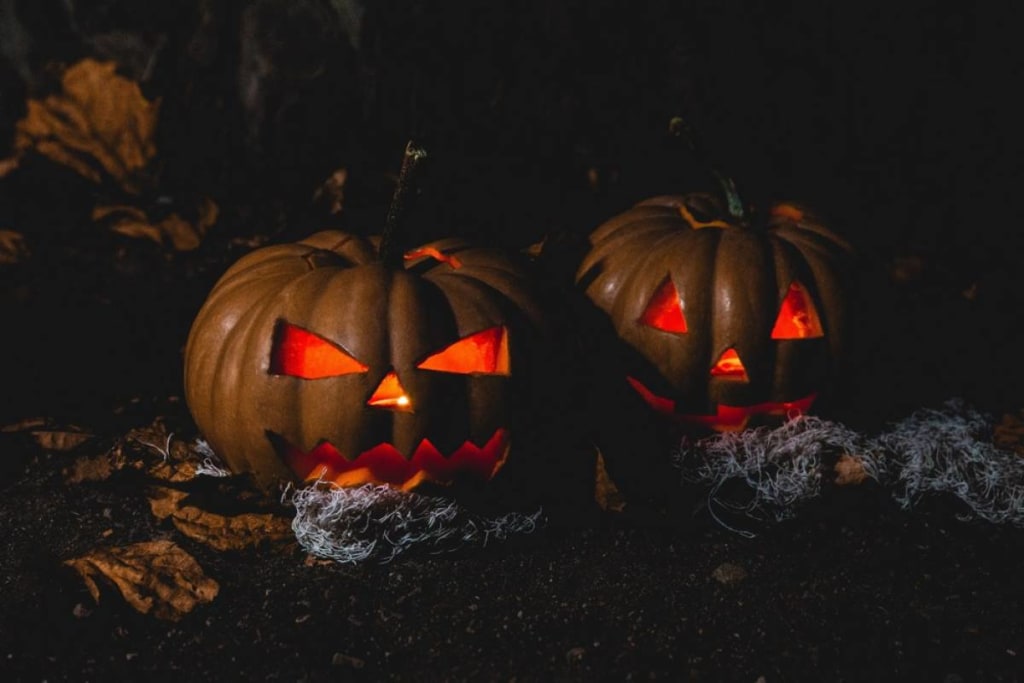
Halloween, celebrated on the last day of October, has become a beloved holiday for children across the globe. It is a time when youngsters eagerly don costumes, embark on candy-filled adventures, and immerse themselves in a world of imagination and excitement. Beyond the ghouls and goblins, Halloween serves as an essential and meaningful tradition in the lives of children. In this article, we will explore why Halloween is so important for kids.
While Halloween can be spooky, it provides a safe environment for children to confront and overcome their fears. With the help of their parents and the playful atmosphere of the holiday, kids learn how to navigate situations that might initially scare them. This can empower them to face other fears or challenges they encounter throughout their lives.
Halloween is a time-honored tradition that allows kids to connect with the past. By participating in Halloween festivities, children become part of a cultural legacy that has been celebrated for generations. It's an opportunity for families to pass down stories, customs, and cherished memories, instilling a sense of continuity and heritage.
The act of giving and receiving treats on Halloween can teach children important lessons about sharing and generosity. When kids go trick-or-treating, they experience the joy of receiving treats from their neighbors and learn to appreciate the kindness of others. This, in turn, can inspire them to share their own resources with those in need, promoting empathy and a sense of community.
Halloween offers an alternative to the many sedentary activities that dominate kids' lives. While they may indulge in sweets, they also get to walk, run, and explore their neighborhoods. Pumpkin patches, haunted houses, and fall festivals provide opportunities for outdoor activities and exercise. Halloween demonstrates that fun and physical activity can go hand in hand.
Halloween, with its diverse range of traditions and costumes, encourages cultural awareness and understanding. Children have the chance to learn about different cultures and their unique celebrations. This exposure can broaden their horizons and foster respect for diversity, promoting a more inclusive society.
Halloween is a time when kids create enduring memories with their families and friends. The joy of picking out costumes, carving pumpkins, and trick-or-treating will be cherished moments they look back on fondly in the years to come. These traditions create a sense of nostalgia and belonging that plays a crucial role in shaping their identity.
Halloween often presents minor challenges, like figuring out how to make a costume or navigating a spooky maze. These challenges encourage problem-solving skills and critical thinking. Kids learn to adapt, be resourceful, and overcome obstacles in a playful and enjoyable context.
It also encourages kids to see the world from different perspectives. They might dress up as characters they admire or even as spooky creatures. This exploration of different viewpoints can help them develop empathy and the ability to understand others' feelings and experiences.
Halloween allows children to express their preferences and make choices about their costumes and decorations. This autonomy fosters a sense of independence and self-confidence, empowering them to take charge of their decisions and express their creativity.
Here, you can find a full Halloween Activity Pack!
Trick-or-treating comes with lessons in safety. Parents often instruct their kids on staying with a group, looking both ways before crossing streets, and being cautious around strangers. These safety lessons can be valuable and are practiced in a controlled and monitored environment.
Halloween is a time for families to come together. Whether it's parents helping kids with their costumes, carving pumpkins together, or going on a family trick-or-treating adventure, these shared experiences strengthen family bonds and create lasting memories.
Halloween can be a fantastic opportunity for educational activities. Teachers often use Halloween as a theme to teach subjects like history, literature, and even science. This integration of education into a fun holiday can enhance classroom learning.
While kids receive candy during Halloween, it's also a time for them to give. Some children participate in "Trick-or-Treat for UNICEF" or other charitable activities. This instills the value of giving to those in need and encourages a sense of global citizenship.
Concluding, Halloween offers a rich tapestry of experiences for kids that go beyond the surface-level fun of costumes and candy. It contributes to their personal development by fostering creativity, problem-solving, independence, and gratitude. It's a holiday that provides numerous learning opportunities and promotes values that children can carry with them throughout their lives.
About the Creator
Panagiotis
Just a Uni Student, amateur musician that enjoys article writing in his free time.
I try (on a daily basis) to find happiness in small things in life.
Oh, I also do enjoy motorcycle rides in the countryside.
Find me on Instagram!
Keep reading
More stories from writers in Families and other communities.
What Fathers Uniquely Provide
The Error of Treating Parenting Roles as Functionally Identical Modern parenting theory often begins with the assumption that mothers and fathers are largely interchangeable, differing only in style or temperament. From this view, any deficits in one parent can be compensated for by the other through increased emotional effort, sensitivity, or presence. Parenting becomes a question of intention and quantity rather than function and role. This assumption is appealing because it aligns with cultural preferences for symmetry and fairness, but it collapses under closer examination of developmental outcomes.
By Peter Thwing - Host of the FST Podcast4 days ago in Families
The Inheritance That Wasn’t Written
When the lawyer read the will, everyone leaned forward, expecting numbers, property details, and formal language. Instead, the room fell silent after the first page. There was no list of assets. No division of land. No mention of money. Only a handwritten letter addressed to the family.
By Sudais Zakwan3 days ago in Families
Should We Not Try to Get Too Political?
Here's something you often hear people say, "I try not to get too political." I understand the sentiment and I sympathize with it... while at the same exact time, I completely disagree with the notion. Whether it's referring to social media or wherever, it's kind of unavoidable. You can attempt to sidestep it, not engage, leave the less important things for actual politicians to discuss... you can want it to not take over your life, your conversations, your relationships, and that makes perfect sense.
By Stephen Kramer Avitabile7 days ago in Writers




Comments