
FOOD CRISES IN THE 21ST CENTURY.
Why we should prepare for food crises.
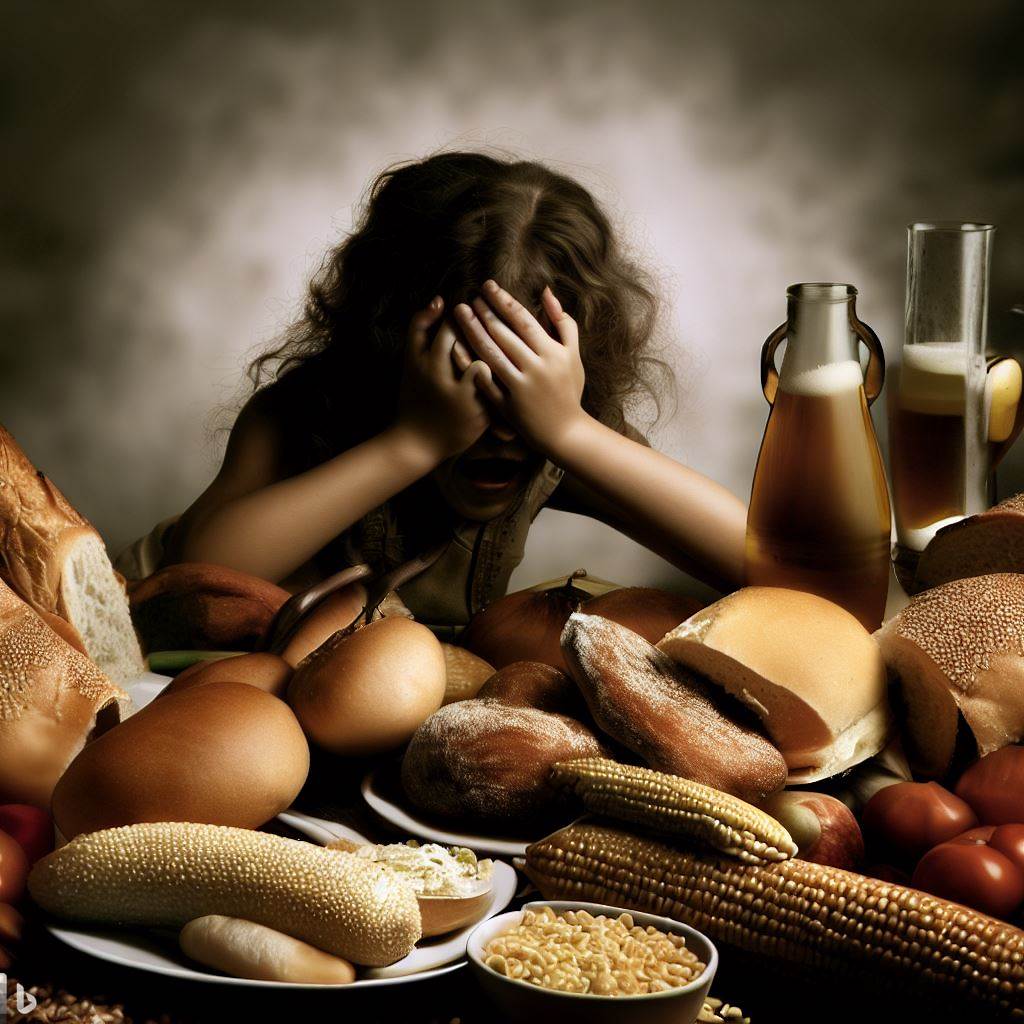
Once upon a time, there was a small village in Africa. The village was known for its fertile land and abundant crops. The villagers were happy and content with their lives. They had enough food to feed their families and even had some left over to sell in the market.
One day, the rains stopped coming. The crops began to wither and die. The villagers tried everything they could think of to save their crops, but nothing worked. Soon, the village was hit by a severe food crisis. The villagers were forced to ration their food and many went hungry.
The village elders decided to send a group of young men on a journey to find food. They traveled for days through the hot and dry desert until they came across another village. This village was also suffering from a food crisis, but they had found a way to survive.
The villagers in this village had started growing drought-resistant crops that could survive with very little water. They shared their knowledge with the young men from the first village and gave them some seeds to take back home.
The young men returned home and shared what they had learned with the rest of the village. They started growing drought-resistant crops and soon the village was thriving again.
This story illustrates how important it is to be prepared for food crises. With climate change causing more frequent droughts and other extreme weather events, it’s important for communities to be able to adapt and find new ways of growing food that can withstand these challenges.
This also happened in another community where there was food crise
It was a hot summer day in the small village of Kibera. The sun was beating down on the dusty streets, and the air was thick with the smell of rotting garbage. Mama Njeri was sitting outside her small mud hut, fanning herself with a piece of cardboard. She had been up since dawn, trying to find enough food to feed her family.
The food crisis had hit Kibera hard. The rains had failed for two years in a row, and the crops had withered and died. The price of food had skyrocketed, and many families were going hungry. Mama Njeri had sold everything she owned to buy food for her children, but it was never enough.
One day, Mama Njeri heard about a new program that was helping families grow their own food. She went to the local community center to learn more. There, she met a group of women who were working together to plant a community garden.
Mama Njeri joined the group and learned how to grow vegetables in small spaces. She planted tomatoes, kale, and spinach in old tires and plastic bags. She watered them every day and watched as they grew tall and strong.
Soon, Mama Njeri had more vegetables than she could eat. She shared them with her neighbors and sold them at the local market. Her children were healthy and happy again, and Mama Njeri felt like she had a new lease on life.
The community garden had brought hope to Kibera. Families were growing their own food and working together to overcome the food crisis. Mama Njeri knew that there were still challenges ahead, but she felt like they could face them together.
My recommendation on food crises are several ways to fix food crises. Here are some recommendations:
1. Take a pause on biofuels: Producing fuel from crops accounts for between one quarter and one third of the spike in global commodity prices.
2. Improve food aid: The World Food Programme and other organizations provide humanitarian assistance to people vulnerable to food insecurity.
3. Produce higher yields: Farmers can use new technologies and techniques to increase crop yields.
4. Grow better crops: Scientists can develop crops that are more resistant to pests and diseases.
5. Curb the speculators: Governments can regulate commodity markets to prevent excessive speculation1.
6. Break down trade barriers: Countries can reduce trade barriers to increase the flow of food across borders.
7. Eat less meat: Meat production requires more resources than plant-based foods, so reducing meat consumption can help reduce food crises.
Share the crowded planet: The world’s population is expected to reach 9 billion by 2050, so we need to find ways to share resources more equitably
About the Creator
Keep reading
More stories from writers in Families and other communities.
The day of silence
When Quiet Speaks Louder Than Words The town of Nandipur was not known for silence. It lived on chatter—vendors calling out prices, children racing through narrow lanes, radios humming behind half-closed doors, and neighbors debating everything from politics to rainfall. Words filled every corner, as if silence were something to be feared.
By Ibrahim Shah about 10 hours ago in Families
Enduring Power of Attorney (QLD)
People don’t like talking about losing capacity. Fair enough. It feels gloomy. It feels like tempting fate. And honestly, it’s one of those topics everyone plans to deal with “later”… right after the will, right after the holiday, right after the busy period at work.
By Dan Toombs2 days ago in Families




Comments
There are no comments for this story
Be the first to respond and start the conversation.