
Family Dynamics and Sibling Relationships
How Birth Order, Rivalry, and Love Shape Our Most Enduring Relationships


Emma still remembers the day her parents brought her baby brother home from the hospital. At four years old, she had been the center of her universe for what felt like forever, basking in the undivided attention of two doting parents. Suddenly, this tiny, wrinkled stranger commanded everyone's focus, leaving Emma feeling displaced and confused. Twenty-five years later, Emma and her brother share an unbreakable bond, but the echoes of that early displacement still influence how they interact—and how Emma approaches relationships in general.
This story illustrates one of psychology's most fascinating territories: the intricate dynamics that govern family relationships, particularly between siblings. These early bonds don't just shape our childhoods; they create templates for how we navigate conflict, competition, love, and loyalty throughout our entire lives. Understanding family dynamics reveals not just how families function, but how we become who we are as individuals.
The Architecture of Family Systems
Understanding the Family as an Ecosystem
Modern family psychology views families not as collections of individuals, but as complex systems where every relationship affects every other relationship. When one person changes—whether through a new job, relationship, illness, or major life transition—the entire family system must recalibrate to maintain balance. This interconnectedness means that sibling relationships can't be understood in isolation from the broader family context.
The concept of family roles helps explain how these systems organize themselves. Every family develops unspoken assignments: the responsible one, the peacemaker, the rebel, the entertainer. These roles often emerge early in childhood and can persist well into adulthood, influencing career choices, romantic relationships, and parenting styles decades later. The oldest child might become the family's de facto assistant parent, while the youngest develops charm and humor as tools for getting attention and avoiding responsibility.
Family systems also develop unique cultures—shared jokes, traditions, communication styles, and unspoken rules about what can and cannot be discussed. These family cultures can be incredibly resilient, persisting even when they no longer serve the family's needs. A family that avoided discussing emotions during a crisis thirty years ago might still struggle with emotional communication long after the crisis has passed.
The Power of Unspoken Rules
Every family operates according to implicit rules that govern behavior, communication, and relationships. These rules are rarely discussed explicitly but are powerfully enforced through subtle rewards and punishments. Some families have rules like "we don't air our dirty laundry" or "men don't show weakness" or "academic achievement is everything." Children absorb these rules unconsciously and often carry them into their adult relationships.
Sibling relationships become testing grounds for these family rules. Brothers and sisters learn through trial and error which behaviors earn approval, which provoke punishment, and which simply get ignored. The child who challenges family rules might be labeled the "troublemaker," while the one who follows them perfectly becomes the "golden child." These early experiments with family boundaries shape how individuals approach authority, conflict, and social expectations throughout their lives.
The enforcement of family rules often falls disproportionately on older siblings, who may be expected to "set a good example" or help maintain family standards. This dynamic can create resentment but also develops leadership skills and a strong sense of responsibility. Younger siblings, meanwhile, might become adept at finding loopholes in family rules or using charm to avoid consequences their older siblings face.
The Birth Order Revolution
How Position Shapes Personality
Birth order research has revealed consistent patterns in how family position influences personality development, though these patterns interact with family size, spacing between children, and cultural factors in complex ways. Understanding these patterns helps explain why siblings from the same family can develop such different personalities and life trajectories.
Firstborn children often develop traits associated with leadership and responsibility. They experience their parents' undivided attention during their early years, often resulting in accelerated language development and academic achievement. However, they also bear the weight of parental anxiety and inexperience. First-time parents tend to be more nervous, more rules-focused, and more likely to over-supervise, creating children who are conscientious but sometimes anxious about making mistakes.
When subsequent children arrive, firstborns must navigate the psychological challenge of "dethronement"—losing their position as the family's only child. This experience can foster resilience and adaptability, but it can also create lasting feelings of insecurity or competition. Many firstborns respond by doubling down on achievement and responsibility as ways to maintain parental attention and approval.
Middle children face unique challenges and develop distinctive strengths. Without the privileges of being first or the attention that comes with being the baby, middle children often become skilled negotiators and diplomats. They learn to find their niche by developing talents or traits that distinguish them from their siblings. Middle children tend to be more peer-oriented than their siblings, often developing strong friendship networks that compensate for feeling less central in family dynamics.
The youngest child traditionally enjoys certain advantages: more relaxed parenting, built-in advocates in older siblings, and fewer expectations for early independence. These factors often contribute to creativity, humor, and social confidence. However, youngest children may struggle with being taken seriously or developing self-reliance, particularly if they become accustomed to others solving their problems.
The Myth of Genetic Similarity
One of the most surprising findings in family research is how different siblings can be despite sharing genes and environment. Studies consistently show that siblings are often more different than similar in personality, interests, and abilities. This phenomenon, called the "non-shared environment effect," highlights how each child experiences a unique version of family life.
The family that raises the first child is fundamentally different from the family that raises the second or third. Parents gain experience and confidence, family financial circumstances change, and the presence of older siblings creates different dynamics for each child. A family crisis that occurs when the oldest child is ten and the youngest is three will affect each child differently, potentially shaping their personalities and worldviews in contrasting ways.
Siblings also actively differentiate themselves from each other in a process psychologists call "niche-picking." If one child excels academically, another might focus on athletics or arts. If one is outgoing and social, another might develop a reputation for being thoughtful and introspective. This differentiation helps reduce direct competition while ensuring each child receives recognition for unique contributions to family life.
The Sibling Laboratory
Competition, Cooperation, and Identity Formation
Sibling relationships serve as laboratories for learning social skills, with brothers and sisters providing the first experience of peer-like relationships that continue over decades. Unlike friendships, which can end, or parent-child relationships, which are hierarchical, sibling bonds combine permanence with relative equality, creating unique opportunities and challenges.
Competition between siblings is often viewed negatively, but moderate sibling rivalry can serve important developmental functions. Competition motivates achievement, teaches children to advocate for themselves, and provides experience with winning and losing in a relatively safe environment. The key is ensuring that competition doesn't become so intense that it damages self-esteem or family relationships.
Healthy sibling competition tends to focus on effort and personal improvement rather than zero-sum thinking where one child's success necessitates another's failure. Families can foster this healthier dynamic by celebrating individual achievements without making comparisons, ensuring each child has areas where they can excel, and avoiding favoritism that pits siblings against each other.
Cooperation between siblings creates some of childhood's most important learning experiences. Siblings who play together, negotiate shared resources, and support each other through difficulties develop crucial social and emotional skills. They learn empathy by witnessing their siblings' struggles, develop communication skills through constant interaction, and practice forgiveness in ways that prepare them for future relationships.
The Secret Sibling World
Siblings often develop private worlds that exist parallel to family life—shared languages, inside jokes, secret alliances, and private understandings about family dynamics. These sibling sub-cultures can be incredibly powerful, providing emotional support and identity formation opportunities that complement or sometimes compete with parental influence.
The sibling world operates by different rules than the adult family world. Siblings might maintain fierce loyalty to each other while engaging in constant bickering, or develop elaborate systems for sharing resources and managing conflicts that parents never see. These private sibling dynamics often persist into adulthood, influencing how siblings interact during family gatherings and major life events.
Research shows that positive sibling relationships during childhood predict better social relationships and emotional adjustment throughout life. Siblings who learn to navigate conflict constructively, support each other during difficulties, and celebrate each other's successes develop relationship skills that transfer to friendships, romantic partnerships, and professional collaborations.
The Evolution of Sibling Bonds
From Childhood Through Adulthood
Sibling relationships typically follow predictable developmental patterns, though the specific trajectory varies greatly between families. During early childhood, relationships are often characterized by high intensity—both positive and negative. Young siblings might engage in frequent conflicts but also demonstrate remarkable loyalty and concern for each other's welfare.
The school-age years often bring increased differentiation as siblings develop distinct identities and friend groups. Competition may intensify around academic and extracurricular achievements, but siblings also begin to appreciate each other's unique qualities. This is often when the foundation for adult sibling relationships begins to solidify, as children develop more sophisticated understanding of family dynamics and their place within them.
Adolescence can strain sibling relationships as teenagers focus intensely on peer relationships and identity development. Older siblings might resent younger ones' intrusion into their social worlds, while younger siblings might feel abandoned as their former playmates become focused on dating and activities outside the family. However, this period also offers opportunities for siblings to relate more as equals, particularly when age gaps are small.
Young adulthood often marks a renaissance in sibling relationships. As individuals establish independence from parents, they frequently reconnect with siblings as chosen family members rather than assigned housemates. The shared experience of growing up in the same family becomes a source of connection and understanding that deepens with time and perspective.
The middle adult years test sibling relationships through major life challenges: career pressures, marriage, children, and aging parents. Siblings who maintain strong connections during these demanding decades often find their relationships become primary sources of emotional support and practical assistance. However, differing approaches to parenting, career success, or caring for aging parents can also create new sources of conflict.
Siblings as Caretakers and Memory Keepers
As families age, sibling relationships often take on new significance as primary sources of shared history and mutual support. Siblings become the people who remember childhood Christmas mornings, can verify family stories, and understand the subtle dynamics that shaped each other's personalities. This shared history becomes increasingly valuable as parents age or die, making siblings the primary keepers of family memory and tradition.
The caregiving years—when aging parents need assistance—often reveal the deepest patterns of sibling dynamics. Long-dormant rivalries might resurface around issues of responsibility and recognition, while previously distant siblings might discover new depths of cooperation and mutual respect. These experiences can either strengthen sibling bonds through shared challenge or strain them through unequal burden-sharing and different approaches to difficult decisions.
Research consistently shows that positive sibling relationships in later life contribute significantly to mental health, life satisfaction, and successful aging. Siblings who maintain connection provide each other with continuity, understanding, and support that can't be replaced by other relationships. The person who knew you when you were five can offer a perspective on your life that spouses, children, or friends simply can't match.
Cultural and Modern Variations
How Changing Families Reshape Sibling Dynamics
Traditional sibling research focused primarily on nuclear families with biological children, but modern families require more complex understanding of sibling dynamics. Blended families create step-sibling relationships that lack shared early history but must navigate loyalty conflicts and new family structures. Half-siblings share some genetic heritage but may have very different family experiences depending on custody arrangements and family circumstances.
Adoption creates unique sibling dynamics, particularly when families include both biological and adopted children. These relationships can be incredibly strong, demonstrating that sibling bonds are more about shared experience than genetic connection. However, they may also involve complex questions about identity, belonging, and family loyalty that require sensitive navigation.
Cultural factors significantly influence sibling relationships, particularly around issues of responsibility, hierarchy, and gender roles. Some cultures emphasize sibling obligations that extend throughout life, while others prioritize individual achievement and independence. Understanding these cultural contexts helps explain why sibling relationships vary so dramatically between families from different backgrounds.
The trend toward smaller families has intensified sibling relationships by reducing the number of children who share parental attention and resources. Only children, once considered disadvantaged, often develop strong peer relationships that compensate for the absence of siblings. However, they miss the unique laboratory for relationship skills that sibling relationships provide.
Technology and Modern Sibling Connection
Digital communication has transformed how siblings maintain relationships across distances and life stages. Social media allows siblings to stay connected to each other's daily lives in ways that were impossible for previous generations. Group texts, shared photo albums, and video calls enable continuous connection even when siblings live in different countries or have vastly different schedules.
However, technology also creates new challenges for sibling relationships. Social media can intensify competition through constant comparison of life milestones and achievements. The curated nature of online sharing can create false impressions about siblings' lives and happiness, potentially straining relationships or creating unrealistic expectations.
Digital communication can also fail to provide the depth and nuance needed for navigating complex family issues. The ease of sending quick messages might replace deeper conversations, while the permanence of digital communication can make conflicts more difficult to resolve when harsh words are preserved in text form.
Healing and Strengthening Sibling Bonds
Addressing Old Wounds and Building New Connections
Many adults carry unresolved sibling issues that affect their current relationships and self-perception. Childhood rivalries, perceived favoritism, or family traumas can create lasting tensions that seem impossible to overcome. However, adult sibling relationships offer unique opportunities for healing because both parties have developed perspective and emotional maturity that wasn't available during childhood conflicts.
The first step in improving troubled sibling relationships often involves recognizing how family dynamics contributed to past difficulties. Understanding that parental stress, financial pressures, or other family circumstances may have created competitive environments helps siblings move beyond blame toward mutual understanding. This doesn't excuse harmful behavior, but it provides context that can facilitate forgiveness and reconciliation.
Effective sibling relationship repair often requires direct communication about past hurts while focusing on present possibilities. This might mean acknowledging how birth order dynamics affected each person differently, discussing the impact of family rules or expectations, or simply expressing appreciation for positive aspects of the relationship that may have been overshadowed by conflicts.
Professional family therapy can be invaluable for siblings who want to improve their relationships but struggle to navigate old patterns independently. A skilled therapist can help siblings understand how their family system operated, identify how past dynamics continue to influence current interactions, and develop new ways of relating that honor both their shared history and their individual growth.
Creating New Traditions and Connections
Strong adult sibling relationships require intentional cultivation. This might mean establishing regular communication routines, creating new shared experiences, or developing traditions that honor the adult relationship rather than trying to recreate childhood dynamics. Successful sibling relationships often involve finding activities or interests that both parties enjoy and can share without competitive pressure.
The key to maintaining positive sibling relationships often lies in accepting each other's differences while celebrating shared history and values. This means letting go of expectations about who siblings "should" be and appreciating who they actually are. It also means recognizing that sibling relationships, like all relationships, require ongoing effort and attention to remain strong and supportive.
Building strong sibling relationships in the present creates benefits that extend to the next generation. Children who observe positive relationships between their parents and aunts or uncles learn valuable lessons about loyalty, conflict resolution, and family commitment. These models help them develop their own positive relationships with their siblings and cousins.
The Lasting Legacy of Family Dynamics
Family dynamics and sibling relationships represent some of our most formative and enduring connections. These early relationships teach us about love, competition, loyalty, and conflict in ways that shape our personalities and relationship styles throughout our lives. Understanding these dynamics helps us appreciate both the challenges and gifts that come from sharing our early years with siblings.
The complexity of family relationships means that there's no single "right" way for families to function or siblings to relate. Healthy families come in many forms, and successful sibling relationships can look very different while still providing love, support, and connection. What matters most is that family members feel valued, supported, and free to become their authentic selves within the context of meaningful relationships.
Perhaps the greatest gift of understanding family dynamics is the opportunity to make conscious choices about which patterns to continue and which to change. We can appreciate the strengths our families gave us while addressing the areas where we want to grow. We can honor our sibling relationships while setting appropriate boundaries, and we can create new family traditions that reflect our adult values and priorities.
The invisible threads that connect family members are both stronger and more flexible than they might appear. With understanding, intention, and sometimes professional support, these relationships can evolve and deepen throughout our lives, providing a foundation of belonging and connection that enriches every other relationship we build.
About the Creator
Muhammad Sabeel
I write not for silence, but for the echo—where mystery lingers, hearts awaken, and every story dares to leave a mark
Keep reading
More stories from Muhammad Sabeel and writers in Families and other communities.
She Told Me She Loved Me—Right Before Her Wedding
I met Maya in the spring. Not the metaphorical kind—the actual season. The world was waking up in color again after months of gray, and there she was, walking into my life with that same energy. She was the kind of person you didn’t just notice—you remembered. Loud laugh. Soft eyes. A warmth that settled around her like a second skin.
By Muhammad Sabeel8 months ago in Families
My Favorite Slime Recipe
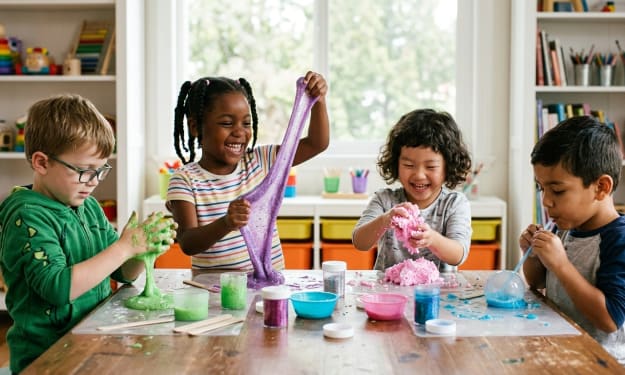
A few years ago, making your own slime was all the rage. People swapped recipes and even swapped slimes. Now, you can buy all the pre-made slime you want, in a variety of colors, textures, and themes. But there is something special about creating your own slime. This activity is great for keeping children busy on a rainy day, or helping them learn to follow step by step directions.
By Angel Mann5 days ago in Families
Punch the Macaque: The Baby Monkey Who Found Comfort in a Plush Friend
Today we look back at one of the most unexpected viral stories of 2025—a tale that began quietly in a zoo in Japan and grew into a global symbol of resilience and tenderness. It is the story of Punch, a Japanese macaque born in July 2025 at Ichikawa City Zoo in Chiba Prefecture. His life began with hardship, but what followed has touched millions across the world.
By Haroon Pasha2 days ago in Families



Comments
There are no comments for this story
Be the first to respond and start the conversation.