
Exploring the Pros and Cons of Prefab Tiny Houses
Should you buy a prefab tiny house?

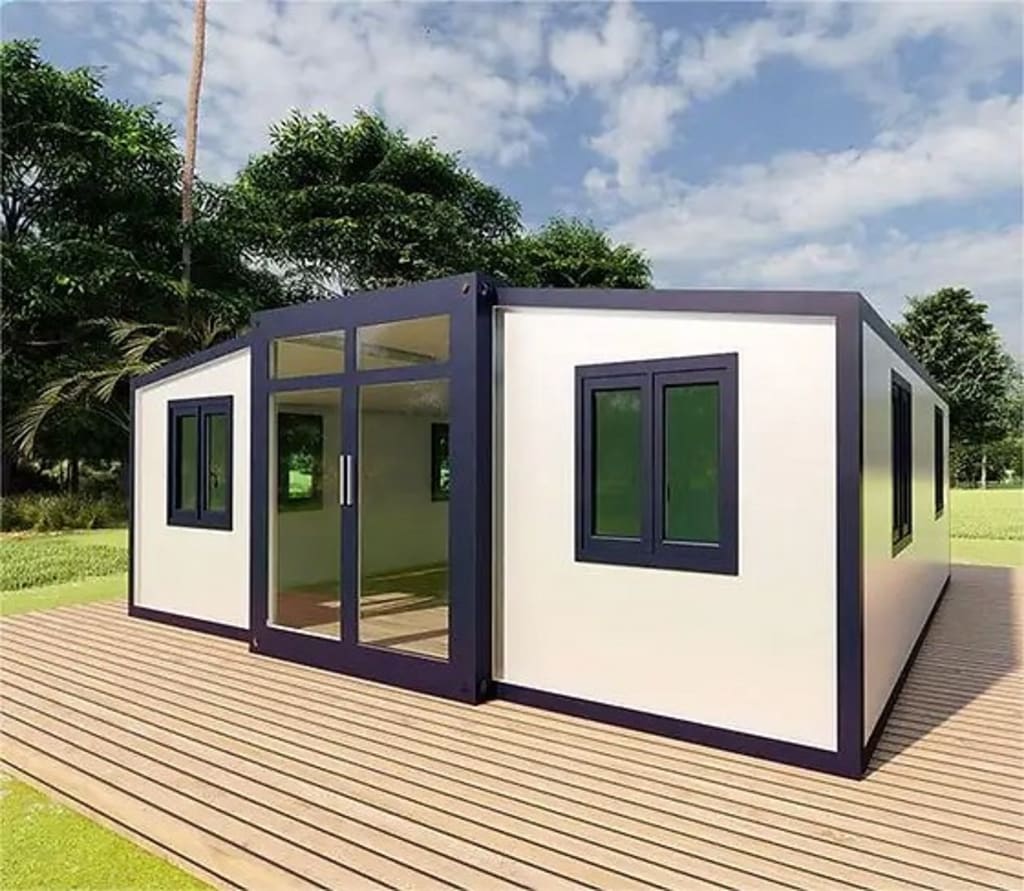
In recent years, the trend of living in tiny houses has gained significant traction, offering a minimalist lifestyle with a smaller ecological footprint. Within this movement, prefab tiny houses have emerged as a popular option for those seeking simplicity and affordability. While there are undoubtedly advantages to embracing this alternative living arrangement, there are also some drawbacks to consider. Let's delve into the pros and cons of prefab tiny houses.
Advantages:
Affordability: Prefabricated tiny houses are often more cost-effective than traditional homes, both in terms of upfront costs and ongoing expenses. They require fewer materials and less labor to construct, resulting in lower overall expenses.
Speed of Construction: Prefabricated tiny houses are built off-site in controlled environments, allowing for faster construction compared to traditional methods. This means you can move into your new home sooner and start enjoying the benefits of tiny living.
Customization Options: Despite their small size, prefab tiny houses offer a surprising amount of customization. From layout and design to fixtures and finishes, homeowners can personalize their space to suit their preferences and lifestyle.
Portability: One of the most appealing aspects of prefab tiny houses is their mobility. Many designs are built on trailers, making them easy to transport to different locations. This flexibility allows homeowners to explore new places without sacrificing the comfort of home.
Sustainability: Tiny houses have a smaller ecological footprint compared to larger homes, and prefab construction methods often emphasize sustainability. From energy-efficient materials to renewable energy sources, these homes can help reduce environmental impact.
Disadvantages:
Prefab tiny houses offer several advantages, such as affordability, sustainability, and quicker construction time. However, they also come with certain disadvantages:
Limited Customization: Prefab tiny houses often come with limited customization options. While some companies offer a degree of customization, the range of choices may be restricted compared to traditional home construction. This limitation may not suit individuals with specific design preferences or requirements.
Space Constraints: The very nature of tiny houses means limited living space. While this is intentional and desirable for some, it can become a significant drawback for others, especially families or individuals who require more room for storage, activities, or personal space.
Quality Concerns: Quality control can be an issue with prefab tiny houses, particularly if the manufacturer cuts corners to reduce costs. Issues such as poor insulation, substandard materials, or shoddy workmanship can lead to durability problems and higher maintenance costs in the long run.
Zoning and Regulation Challenges: Many municipalities have zoning regulations and building codes that may not be conducive to tiny houses, especially those on wheels. Finding a suitable location to park or place a tiny house can be challenging and may require navigating complex legal and regulatory frameworks.
Resale Value: Tiny houses may not appreciate in value as much as traditional homes. Their niche appeal and unconventional nature may limit the pool of potential buyers, making it harder to sell the property for a desirable price in the future.
Limited Resale Market: Even if the owner decides to sell, the market for tiny houses can be limited. Potential buyers may be few and far between, further complicating the selling process and potentially leading to lower resale prices.
Utilities and Services: Connecting a tiny house to utilities such as water, electricity, and sewage can be challenging, especially if the house is located in a remote area or off-grid. Setting up these services may require additional expenses and logistical arrangements.
Social Stigma: Despite growing acceptance, there can still be a social stigma associated with living in a tiny house. Some people may view it as unconventional or impractical, which could affect the owner's social interactions and sense of community belonging.
Limited Resale Market: Even if the owner decides to sell, the market for tiny houses can be limited. Potential buyers may be few and far between, further complicating the selling process and potentially leading to lower resale prices.
Lack of Storage: With limited space, storage options in tiny houses can be insufficient for many people's needs. This can lead to clutter and difficulty in organizing belongings, which may impact the overall livability of the space.
About the Creator
Anna Nowak
Life is green!
Keep reading
More stories from writers in Families and other communities.
The Cracks in Our Walls: Why Our Homes Have Lost Their Peace
By Hazrat Umer The Secret to a Happy Family: Why Justice and Character Matter More Than Money Today, if you look at almost any house, you will see a sad reality. On the outside, the house looks beautiful. But on the inside, there is no peace. In almost every home, people are fighting. Parents are arguing with children, brothers are fighting with sisters, and married couples are struggling to stay together.
By Hazrat Umer4 days ago in Families
I Saved My Son’s Summer Camp with Four Boards from Home Depot
I moved into this house the year Miles learned to walk. The landlord pointed at the patch of bare dirt out back and said, “Soil’s no good, but at least you’ve got space.” I remember thinking, someday I’ll get him one of those little plastic pools. He can splash around back here in the summer.
By The Story Scout2 days ago in Families
The Missing Ingredient
The first time I saw her, she was wearing a velvety, red ribbon in her hair. She carried a small leather backpack everywhere. She searched the forest by turning stones, checking beneath shrubs, listening to the wind as if it might carry an answer.
By Imola Tóth4 days ago in Fiction


Comments
There are no comments for this story
Be the first to respond and start the conversation.