
Exploring Inca Buildings and Architecture: Marvels Along the Inca Trail to Machu Picchu
inca Buildings and Architecture

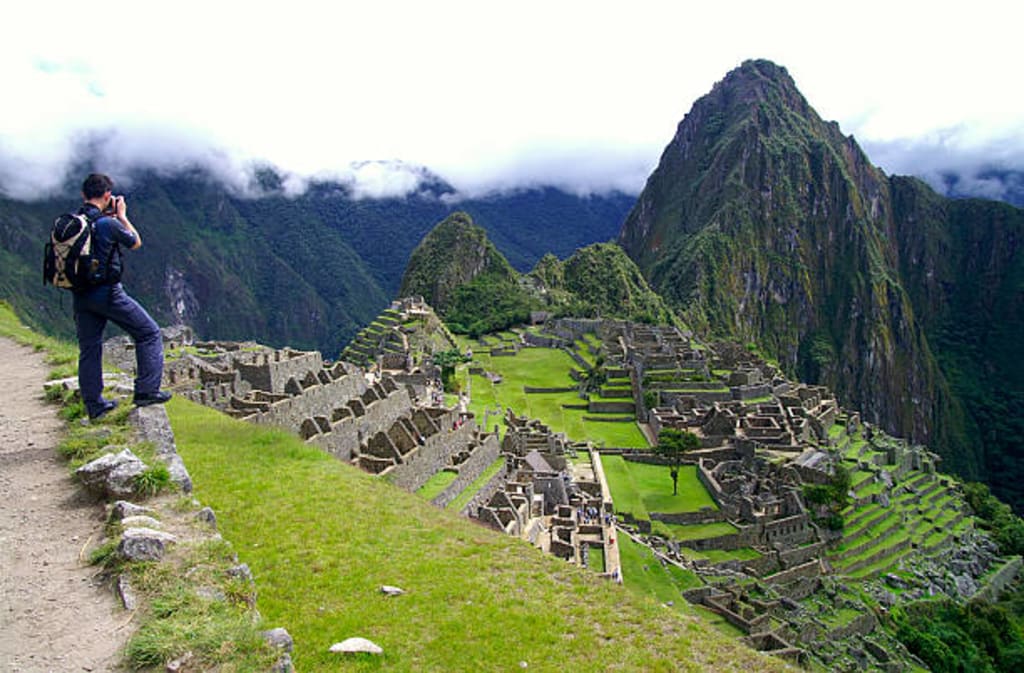
The Inca Empire, flourishing in South America from the 13th to the 16th century, is renowned for its remarkable achievements in architecture and engineering. Among their many accomplishments, the buildings and structures they left behind continue to astonish visitors and scholars alike. One of the best ways to witness these architectural marvels is by trekking the Inca Trail to Machu Picchu. This journey not only offers stunning natural beauty but also a deep dive into the ingenious designs that have stood the test of time.
1. The Genius of Inca Architecture
Inca architecture is celebrated for its precision, durability, and seamless integration with the surrounding environment. The Incas developed sophisticated techniques to construct buildings that could withstand earthquakes and harsh weather conditions, which are common in the Andean region.
Stonework Precision
One of the most striking features of Inca architecture is their stone masonry. The Incas perfected a technique called ashlar masonry, where stones are cut so precisely that they fit together without the need for mortar. This method not only provided immense strength to the structures but also allowed them to flex slightly during earthquakes, preventing collapse. The seamless joints between stones are so precise that even a knife blade cannot fit between them.
Terraced Agriculture and Urban Planning
The Incas were masters of terracing, creating stepped platforms on mountainsides to maximize arable land and manage water runoff. These terraces were not only functional but also aesthetically pleasing, blending agricultural needs with architectural beauty. In urban areas, the Incas meticulously planned their cities, ensuring that residential areas, religious sites, and agricultural terraces were harmoniously integrated.
Integration with Nature
Unlike many other civilizations that imposed their structures on the landscape, the Incas designed their buildings to complement the natural surroundings. They often chose locations that held spiritual significance, such as mountaintops or riverbanks, and built structures that highlighted the beauty of these sites. This harmonious relationship with nature is a hallmark of Inca architecture.
2. Iconic Structures Along the Inca Trail
The Inca Trail to Machu Picchu is not just a hiking path but a journey through a living museum of Inca architecture. Along the trail, trekkers encounter several remarkable sites that showcase the Incas' architectural prowess.
Wiñay Wayna
Wiñay Wayna, meaning "forever young," is a stunning site located about 6 hours from Machu Picchu. This ancient estate features a series of terraces, water channels, and buildings that were used for agricultural and ceremonial purposes. The intricate stonework and the strategic placement of structures against the steep mountain backdrop make Wiñay Wayna a highlight of the trek.
Phuyupatamarca
Known as the "Town in the Clouds," Phuyupatamarca sits at an elevation of approximately 3,600 meters (11,800 feet). This site offers breathtaking panoramic views and showcases the Incas' ability to build in challenging terrains. The buildings here are constructed with large stone blocks, and the terracing system demonstrates advanced agricultural techniques adapted to high-altitude conditions.
Intipata
Intipata is a series of terraces and buildings that served both agricultural and strategic purposes. The name "Intipata" translates to "Sun Platform," indicating its possible use in solar observations and ceremonies. The terraces here are intricately designed to manage water flow and prevent soil erosion, reflecting the Incas' sophisticated understanding of environmental engineering.
3. Machu Picchu: The Crown Jewel
The culmination of the Inca Trail is Machu Picchu, often referred to as the "Lost City of the Incas." Discovered by American explorer Hiram Bingham in 1911, Machu Picchu is one of the most iconic examples of Inca architecture and urban planning.
The Sun Temple
One of the most significant structures within Machu Picchu is the Sun Temple, a semi-circular building aligned with the sun during the solstices. This temple served as a place of worship and astronomical observation, showcasing the Incas' deep connection with celestial events.
The Intihuatana Stone
The Intihuatana Stone is a carved granite rock believed to function as an astronomical observatory or solar clock. Positioned to cast specific shadows during solstices and equinoxes, the stone highlights the Incas' advanced understanding of astronomy and their ability to incorporate it into their architectural designs.
Terraces and Urban Layout
Machu Picchu is meticulously organized, with distinct areas for residential, religious, and agricultural activities. The terraces surrounding the city not only provided fertile land for crops but also added to the city's aesthetic appeal. The layout of Machu Picchu reflects the Incas' emphasis on harmony, functionality, and beauty.
4. Engineering Marvels: Roads and Aqueducts
Inca architecture extends beyond buildings to include an extensive network of roads and aqueducts that facilitated communication, trade, and water management across the empire.
The Inca Road System
The Incas built an impressive network of roads that connected various parts of their vast empire, stretching over 40,000 kilometers (25,000 miles). These roads were engineered to navigate the challenging Andean terrain, featuring bridges, tunnels, and stairways. The section of the road that forms the Inca Trail to Machu Picchu is a testament to their engineering skills, with well-constructed paths that have endured centuries of use.
Aqueducts and Water Management
Water management was crucial for the Incas, especially in regions with limited water sources. They constructed aqueducts and canals to transport water from mountains to urban centers and agricultural terraces. At Machu Picchu, an intricate system of fountains, canals, and aqueducts ensures a steady water supply, demonstrating the Incas' ability to design sustainable water systems.
5. The Legacy of Inca Architecture
The influence of Inca architecture extends far beyond their own time, inspiring modern architects and engineers who study their techniques and designs.
Earthquake-Resistant Construction
The Incas' ashlar masonry technique, which allows buildings to flex during earthquakes, is still admired today for its resilience. Modern engineers study these methods to develop earthquake-resistant structures, particularly in regions prone to seismic activity.
Sustainable Design
Inca architecture exemplifies sustainable design, with buildings and terraces that harmonize with the environment and utilize natural resources efficiently. Their methods of water management and agricultural terracing offer valuable lessons for contemporary sustainable practices.
Cultural Significance
Beyond their practical applications, Inca structures hold immense cultural and historical significance. They offer insights into the social, religious, and political life of the Inca Empire, preserving the legacy of a civilization that achieved remarkable feats with the resources available to them.
6. Experiencing Inca Architecture Today
For those eager to explore Inca buildings and architecture firsthand, the Inca Trail to Machu Picchu provides an unforgettable adventure. Here are some tips to make the most of your journey:
Preparation and Planning
Trekking the Inca Trail requires physical preparation due to its challenging terrain and high altitude. Proper planning, including obtaining necessary permits and hiring a reputable guide, ensures a safe and enriching experience.
Respecting the Heritage
As you traverse ancient paths and visit historic sites, it's essential to respect the cultural heritage. Follow guidelines to preserve the integrity of the structures, avoid littering, and honor the significance of the locations.
Immersing in the Experience
Take time to appreciate the intricate details of the stonework, the ingenious water systems, and the breathtaking views that surround each site. Engaging with the history and stories behind the architecture enriches the trekking experience.
Conclusion
The Inca Trail to Machu Picchu is more than just a hiking route; it is a passage through time that showcases the brilliance of Inca buildings and architecture. From the precision of their stone masonry to the harmonious integration of their structures with nature, the Incas left a legacy that continues to inspire awe and admiration. Whether you're an architecture enthusiast, a history buff, or an adventure seeker, exploring these ancient marvels offers a profound appreciation for a civilization that mastered the art of building in harmony with their environment. As you walk the paths once traveled by the Incas, you'll witness firsthand the ingenuity and enduring beauty of their architectural masterpieces.
About the Creator
Luan travel Peru
Luan Travel Peru specializes in crafting unforgettable experiences for adventurers seeking to explore the wonders of Peru, with a particular focus on the Short Inca Trail.
Keep reading
More stories from Luan travel Peru and writers in Families and other communities.
Inca Trail Weather: What is the Best Month to Hike the Inca Trail?
If you're dreaming of hiking the Inca Trail to the legendary city of Machu Picchu, one of the most critical factors to consider is the weather. The trail, which winds through the Peruvian Andes, can be challenging, but choosing the right time of year can make your experience unforgettable. So, when is the best month to hike the Inca Trail? Let’s dive into the details of the Inca Trail weather and how it varies throughout the year, helping you pick the perfect time for your adventure.
By Luan travel Peruabout a year ago in Families
Wise~Guys
— Look Behind what's in Front of You ~ Make Good Choices — Hey, So how you Doin'..! Made~Men — Mobster Movies romanticise a distinctive, elegant appearance, impeccable attire style, along with the 'Families' expressive lingo. Making their 'Bones' gave them Panache — with vintage fedoras, tailored pin-striped suits, mirror-polished wing-tip shoes adorned with tassels; with their 'Gun Moll' gorgeous dates on their arms.
By Jay Kantor20 days ago in Families
Affection and Healing for Yourself
During the night of the last quarter moon, I gathered my ritual supplies. I carefully handled the chunk of black tourmaline that would protect me from your overall negative and narcissistic energy. I carefully walked the house with my stick of selenite in hand, asking the universe to cleanse our working space.
By Alisha Wilkins ✒️🦋🖋️a day ago in Fiction




Comments (1)
Hey, just wanna let you know that this is more suitable to be posted in the Wander community 😊