
Emotions Across Generations
A Deep Dive into Alpha Generation vs Z Generation
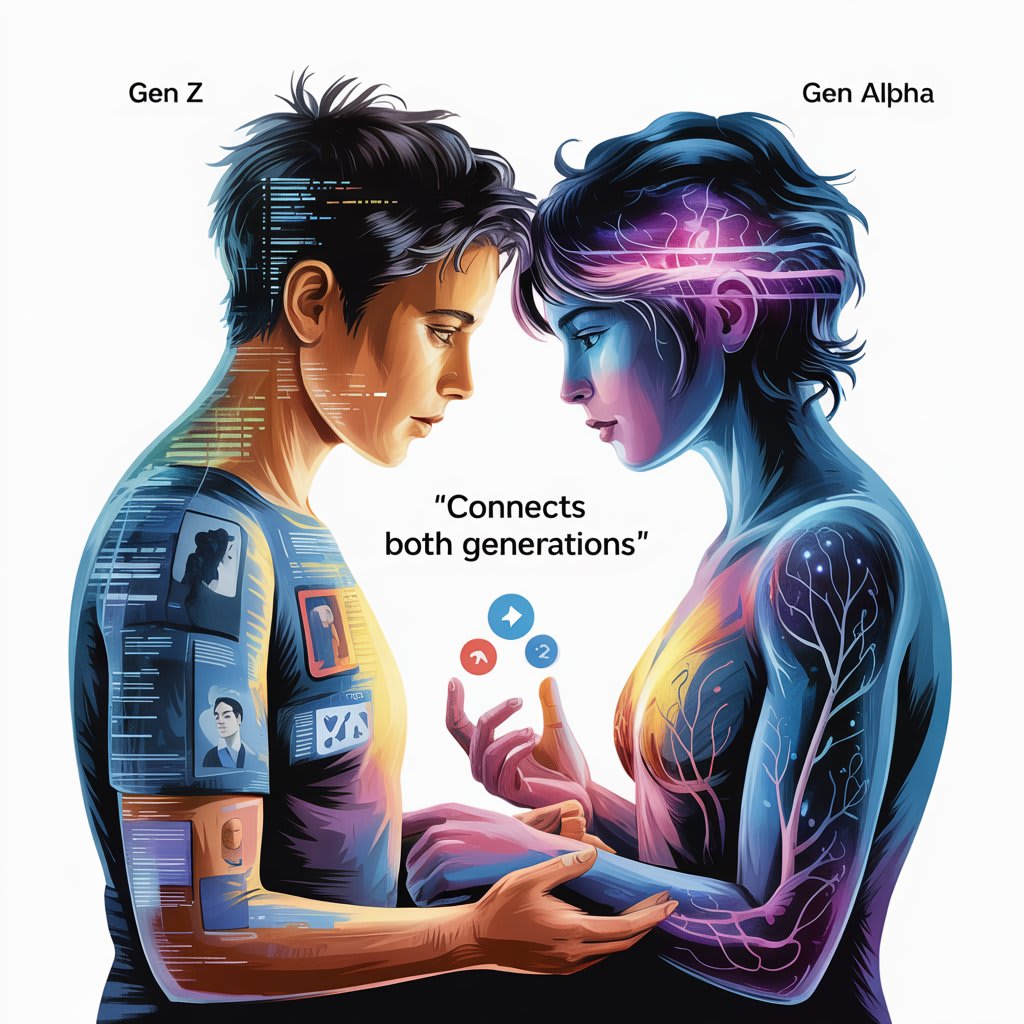
In today's rapidly evolving world, the way people experience and express emotions is shifting faster than ever before. Particularly, the emotional landscapes of Generation Alpha (born 2010–2025) and Generation Z (born 1997–2012) reveal how technology, society, and culture have shaped human feelings differently across two closely connected but distinctly different age groups.
Understanding the Foundations: Who Are Gen Z and Gen Alpha?
Before comparing their emotional worlds, it’s crucial to understand the societal backdrops that define each generation. Generation Z grew up during a time of rapid digital expansion — social media platforms like Instagram, TikTok, and Snapchat became central to their social lives. Their adolescence was marked by global events like the COVID-19 pandemic, rising awareness of climate change, and growing political activism.
Generation Alpha, meanwhile, is the first generation entirely born in the 21st century. They are digital natives from birth, surrounded by AI-powered toys, virtual assistants, online learning platforms, and the omnipresence of social media, even before they can fully comprehend it. Unlike Gen Z, they experience an even more immersive digital world shaped by augmented reality (AR), virtual reality (VR), and artificial intelligence (AI).
These different environments have significantly impacted how each generation perceives and expresses their emotions.
Emotional Awareness: Self-Expression and Vulnerability
Gen Z is often characterized by its heightened emotional intelligence and willingness to be vulnerable. Mental health conversations have been normalized among them. Terms like "anxiety," "burnout," "self-care," and "therapy" are commonly discussed without stigma. They are more open about seeking help and advocating for mental health awareness.
On the other hand, Generation Alpha, while still young, is showing signs of even greater emotional awareness. Thanks to parenting styles that emphasize emotional literacy and the integration of emotional education into school curriculums, Alpha children are being taught to identify, name, and manage emotions from a very early age. Apps designed to track mood, books teaching emotional regulation, and mindfulness programs are standard parts of an Alpha child's experience.
However, some experts suggest that while emotional vocabulary might be richer for Alphas, their ability to process complex emotions could be delayed due to overexposure to fast-paced digital content that prioritizes instant gratification over deep emotional reflection.
Coping Mechanisms: Different Tools for Different Worlds
For Generation Z, social media became both a support system and a source of emotional stress. When coping with negative emotions, they often turn to online communities for validation and solidarity. Memes, online activism, and digital storytelling offer outlets for expressing sadness, frustration, or hope. Yet, this reliance on digital communication has also been linked to increased feelings of loneliness, anxiety, and depression.
Generation Alpha is entering a world where AI companions, mental health apps, and gamified therapy tools are normalized. Instead of posting their feelings on social media, they might use a chatbot to talk through emotions or play a game designed to teach coping strategies. While these technologies offer incredible access to support, there is a risk that real-life human connection could be underdeveloped, potentially making emotional resilience more fragile.
Social Relationships: Connectivity vs. Authenticity
Generation Z often struggles between the urge for constant connection and the desire for authentic relationships. Social media fosters connections but can also breed superficiality. Gen Zers are acutely aware of the emotional gap between curated online personas and real-world feelings. Many of them actively seek authenticity, trying to forge deeper friendships offline despite the pressures of digital life.
Generation Alpha is growing up in an even more interconnected but possibly more isolated world. With the rise of virtual friendships through gaming platforms and the early adoption of social media-like environments, Alphas may find themselves developing relationships that are more transactional and less emotionally fulfilling. The challenge for them will be learning to cultivate genuine emotional intimacy in a world where face-to-face interaction is increasingly rare.
Challenges and Opportunities for Emotional Growth
Both generations face unique emotional challenges. For Generation Z, mental health struggles such as anxiety, depression, and social comparison have been heightened by their online lives. However, their openness about these issues and their willingness to seek support are helping to slowly dismantle long-standing stigmas.
Generation Alpha’s greatest challenge may be balancing emotional intelligence with emotional depth. With so many tools at their disposal, they risk externalizing emotional management to apps and devices rather than developing strong internal coping mechanisms. Yet, if guided well, they could become the most emotionally attuned generation yet, combining technology with genuine self-awareness.
Conclusion: Two Emotional Worlds Shaped by One Digital Revolution
Although separated by just a few years, Generation Z and Generation Alpha are emotionally distinct because of the rapidly shifting technological and societal landscapes around them. Gen Z’s emotional world is marked by vulnerability, activism, and a struggle for authenticity amidst digital saturation. Generation Alpha’s emotional experience, still in its early stages, shows signs of greater emotional vocabulary and access to tools for managing emotions but faces the risk of emotional shallowness if real-world experiences are neglected.
Ultimately, both generations hold incredible potential for emotional growth. If they are nurtured with care, understanding, and the right balance of digital and human connection, they could redefine emotional well-being for the future.
About the Creator
Keep reading
More stories from writers in Families and other communities.
Wise~Guys
— Look Behind what's in Front of You ~ Make Good Choices — Hey, So how you Doin'..! Made~Men — Mobster Movies romanticise a distinctive, elegant appearance, impeccable attire style, along with the 'Families' expressive lingo. Making their 'Bones' gave them Panache — with vintage fedoras, tailored pin-striped suits, mirror-polished wing-tip shoes adorned with tassels; with their 'Gun Moll' gorgeous dates on their arms.
By Jay Kantor20 days ago in Families
Caregiver Burnout Explained: Smart Apps That Reduce Stress and Save Time
That moment you blink awake and realize you’re already done for the day! It is indeed a worse feeling. The caregiving never takes a day off, even when you desperately need one. Over time, emotional pressure quietly builds. You manage appointments, emotions, and expectations, often without support. That steady weight leads many caregivers toward caregiver burnout, even when love stays strong. Technology now offers gentle help. Caregiver burnout apps for stress relief supports you through demanding days.
By Centre of Healing Minds5 days ago in Families



Comments
There are no comments for this story
Be the first to respond and start the conversation.