
Effects That May Occur in the Body After Quitting Smoking
The Effects of Quitting Smoking on the Body Starting from the First 20 Minutes

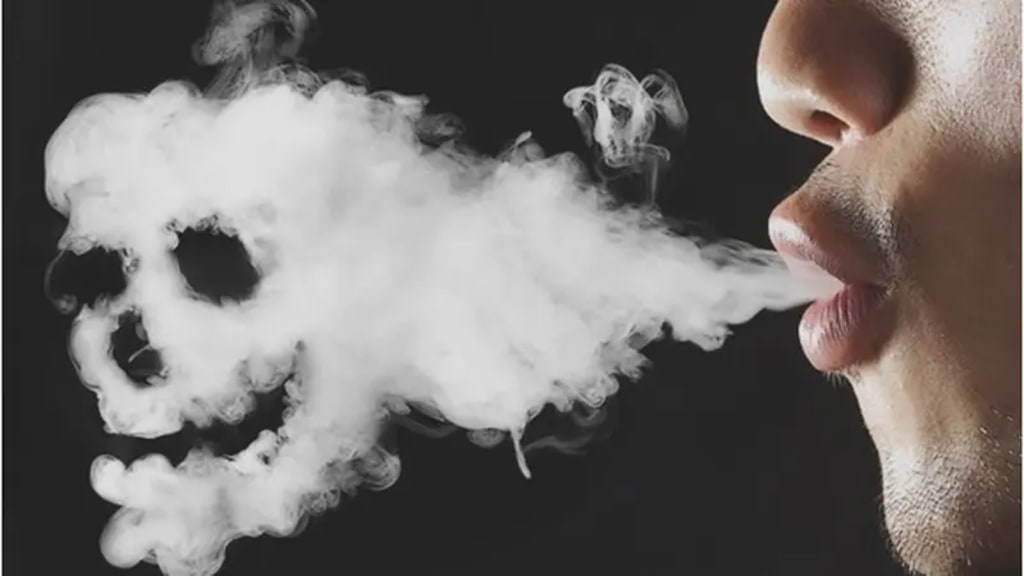
Although it is difficult to do, quitting smoking is the most appropriate and effective decision to prevent various diseases. For those of you who have made the firm decision to stop smoking, you will generally experience certain effects immediately after you stop. What are the effects felt after quitting smoking?
The first few weeks after quitting smoking, whether with the help of cessation aids or not, are usually the most challenging period.
It takes about 8 to 12 weeks before you can be considered free from nicotine addiction and at peace with your new lifestyle as a former smoker.
In fact, the body begins the repair process just a few minutes after you quit smoking.
Below is a timeline of the reactions that occur in the body after your last cigarette.
20 Minutes
One of the effects of smoking is the increase in blood pressure and heart rate due to the substances in cigarettes, particularly nicotine, which poisons the circulatory system.
The effects of quitting smoking can be observed within the first few minutes. Approximately 20 minutes after your last cigarette, your heart rate will begin to decrease and stabilize to a normal level.
2 Hours
The next benefit of quitting smoking is that the tips of your fingers and toes will start to feel warm due to the gradual recovery of peripheral blood circulation.
However, during this period, you may be vulnerable to nicotine withdrawal. The early signs and symptoms of nicotine withdrawal include:
• Intense cravings
• Anxiety, tension, frustration
• Drowsiness or insomnia
• Increased appetite
• Tingling in the palms of your hands or feet
• Sweating
• Headaches
8—12 Hours
Carbon monoxide, when consumed in large amounts, replaces oxygen by binding to red blood cells, leading to various heart problems.
The National Health Service states that during the first 8 hours after you quit smoking, the level of carbon monoxide in your body begins to decrease and is replaced by oxygen.
24 Hours
The risk of heart attack among smokers is higher compared to non-smokers, reaching up to 70%.
The good news is that the next effect of quitting smoking is a reduction in the risk of heart attack that has been haunting you. This occurs after the first 24 hours of quitting smoking.
The lungs of smokers will also begin to expel mucus and toxins that have accumulated, obstructing your airways.
Be aware of the withdrawal symptoms that commonly appear during this phase of quitting smoking. As lung function begins to improve, you may experience common flu-like symptoms (sore throat, cough, and other respiratory issues).
48 Hours
Nicotine causes chemical addiction, signaling the body to fulfill its nicotine needs up to a certain level.
If this need is not met, the addiction to cigarettes can lead to a decline in sensory functions, particularly the senses of smell and taste.
After 48 hours, the effects of quitting smoking include the regeneration of nerve endings, allowing these two senses to function as they did before.
3 Days
At this stage, all remaining nicotine in your body will be completely eliminated. The downside is that during this phase, withdrawal symptoms are likely to arise and intensify.
You may experience nausea, cramps, and various emotional issues in addition to the initial nicotine withdrawal symptoms.
Tension and cravings gradually build up during this phase, making them sometimes unbearable.
To combat withdrawal, reward or pamper yourself for achieving a personal record of being smoke-free.
2—12 Weeks
Overall, smoking affects your blood circulation, making any physical activity feel heavy and exhausting. As a result, your overall health declines.
After weeks of being free from nicotine's grip, you will begin to experience other effects of quitting smoking, such as the ability to engage in physical routines without feeling pain and fatigue.
This recovery of energy is due to the body's regenerative processes becoming active again. Your lung function and respiratory health will also start to improve.
Generally, withdrawal symptoms will begin to decrease as one reaches this phase of quitting smoking.
3—9 Months
Months after you quit smoking, the effects on your health will become increasingly positive.
Coughing, wheezing, and breathing difficulties that you have experienced due to smoking will gradually disappear as your lungs undergo the regenerative process.
Withdrawal symptoms will completely subside at this stage.
1 Year
This phase is a significant milestone for you.
After one full year of quitting smoking, the dangers associated with smoking, such as the risk of heart disease, will decrease dramatically by up to 50% compared to when you were still smoking.
As mentioned, quitting smoking is the most effective way to reduce the risk of various chronic diseases in the future.
It is important to remember that, according to the University of Michigan Health System, the positive effects of quitting smoking will diminish if you decide to smoke again.
Therefore, take care of your body and your loved ones by avoiding this harmful habit.
Do not hesitate to seek help from professionals, such as participating in smoking cessation therapy or nicotine replacement therapy, to support your determination to quit.
What are the complaints that may occur as a result of quitting smoking?
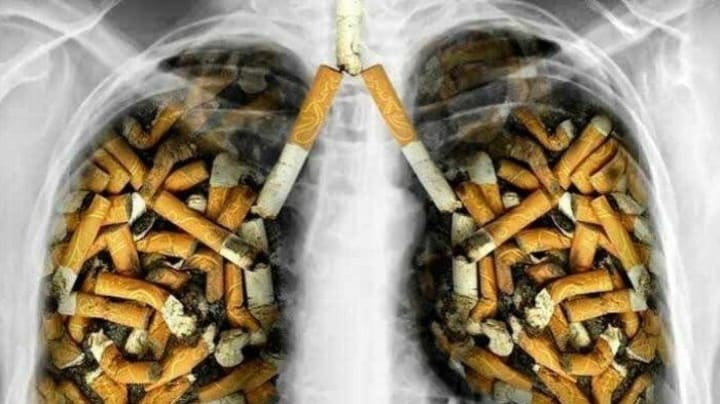
When someone tries to quit smoking, many complaints or issues typically arise, including the following:
1. Nicotine Withdrawal: This includes anxiety, restlessness, difficulty sleeping, and strong cravings to smoke.
2. Irritability: A person may feel easily irritated or angry without any clear reason.
3. Concentration Difficulties: Difficulty concentrating or focusing attention for extended periods.
4. Shortness of Breath or Coughing: The lungs begin to clear themselves, which can cause temporary coughing or shortness of breath.
5. Changes in Digestion: This may include constipation or diarrhea.
6. Mood Swings: Fluctuations in mood, which may include feelings of sadness or depression.
7. Strong Cravings to Smoke: Especially in certain situations related to previous smoking habits.
8. Weight Gain: Some individuals may experience weight gain due to replacing cigarettes with food or changes in metabolism.
9. Cough or Cold Symptoms: The lungs are clearing themselves and may produce more mucus.
10. Sleep Problems: Difficulty sleeping or insomnia may occur in the first few weeks after quitting smoking.
Everyone responds to quitting smoking differently. Some of these complaints may last only a few days or weeks, while others may persist longer, depending on how long a person has smoked and how many cigarettes were consumed.
About the Creator
Andik
A passionate writer, dedicated to creating immersive and engaging stories
Wise~Guys
— Look Behind what's in Front of You ~ Make Good Choices — Hey, So how you Doin'..! Made~Men — Mobster Movies romanticise a distinctive, elegant appearance, impeccable attire style, along with the 'Families' expressive lingo. Making their 'Bones' gave them Panache — with vintage fedoras, tailored pin-striped suits, mirror-polished wing-tip shoes adorned with tassels; with their 'Gun Moll' gorgeous dates on their arms.
By Jay Kantor17 days ago in Families
Miss Persephone's Manual to a Seemingly Ordinary Life
Miss Persephone was found at the dining table, her blue eyes swollen, her tears arriving and retreating like the tides of the ocean. Earlier that day, her family had visited her in the retirement home where she had lived for eight years. It was her eightieth birthday.
By Imola Tóth2 days ago in Fiction



Comments
There are no comments for this story
Be the first to respond and start the conversation.