
Don’t Call Your Children “My Little Mommy” or “My Little Daddy”: It Might Have Unforeseen Consequences!
Addressing children as “my little mommy” or “my little daddy” can negatively impact their individuality and self-confidence development. Instead, using their names or terms that promote respect and individuality helps children grow into independent and confident individuals.

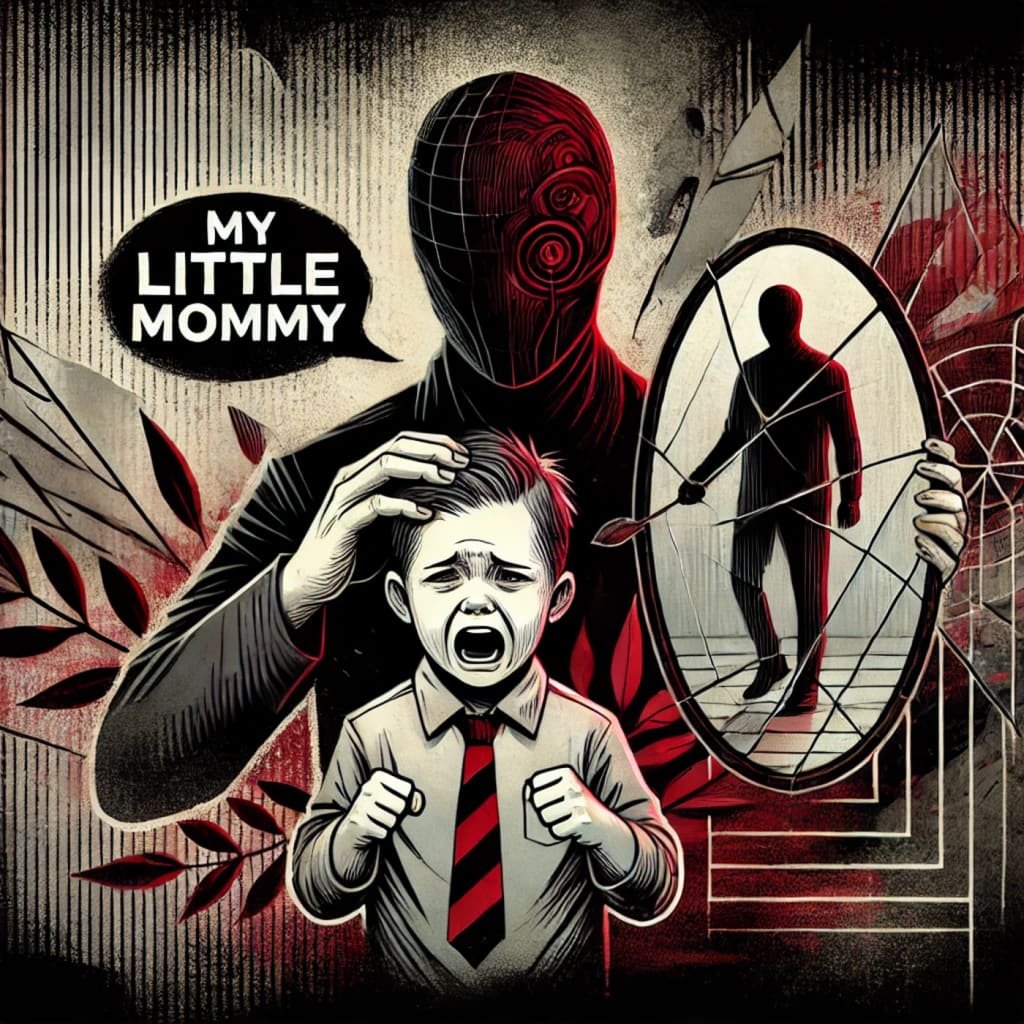
Don’t Call Your Children “My Little Mommy” or “My Little Daddy”: It Might Have Unforeseen Consequences!
By Super Bulldog
Hello, dear parents! I’m Super Bulldog, here to shine a light on something that might surprise you: the way you address your children could have a profound impact on their development and sense of self. Phrases like “my little mommy” or “my little daddy” may sound sweet and affectionate, but they carry hidden risks. Let’s explore how these seemingly innocent words could be affecting your child’s individuality, confidence, and ability to thrive.
The Hidden Power of Words
From an early age, children internalize the messages they receive from their environment. When you call your child “my little mommy” or “my little daddy,” it might feel like an expression of love, but it can send subtle signals that your child is an extension of you rather than a unique individual.
Psychologists emphasize that a child’s sense of identity is shaped by their ability to explore who they are independently. If your child feels tethered to your identity, it may limit their ability to develop their own personality, make decisions confidently, and embrace their individuality.
How It Impacts Confidence and Independence
A child’s self-worth is closely tied to their sense of being recognized as an individual. Addressing them by their name or using terms like “my son” or “my daughter” shows respect and affirms their unique identity. These small changes make children feel valued, fostering independence and confidence.
Children who grow up with strong self-esteem are more likely to become resilient and self-reliant adults. Building this confidence starts at home, with parents who recognize and support their child’s individuality.
Behavioral and Social Effects
The way you address your child doesn’t just shape their self-image — it also influences their behavior and social interactions. When children feel respected as individuals, they are more likely to be cooperative, communicative, and emotionally open.
In social settings, children who experience respect at home tend to extend that respect to others. They develop empathy and build stronger, healthier relationships, setting the foundation for a successful social life.
Intelligence and Finding Their Voice
Valuing a child as an individual plays a critical role in cognitive development. Children who feel supported and recognized are better problem-solvers, more creative, and confident in expressing their ideas. This empowers them not only in academics but in all areas of life.
When you affirm your child’s uniqueness through words, you send a powerful message: “Your thoughts and feelings matter.” This fosters a sense of self-expression and individuality that can fuel success and innovation.
5 Simple Steps to Change the Way You Address Your Child
You don’t need to make drastic changes to have a meaningful impact. Here are five simple yet effective steps:
1.Use Their Name: Make it a habit to call your child by their name to emphasize their individuality.
2.Choose Respectful Terms: Opt for personalized and affectionate phrases like “sweetheart” or “champion” instead of labels that tie them to your identity.
3.Maintain Eye Contact: Show genuine attention by looking your child in the eyes while speaking.
4.Practice Active Listening: Pay attention to what your child is saying to build mutual respect and understanding.
5.Use Positive Language: Replace negative or dismissive terms with affirmations that boost their self-esteem.
Small Changes, Big Results
Dear parents, remember: even small changes can lead to significant improvements in your child’s confidence, independence, and emotional well-being. Start today by reflecting on the way you speak to your child and make a conscious effort to use words that empower and affirm their individuality.
If you found this article insightful, please share it with others. Together, we can raise a generation of confident, independent, and empathetic children.
A Final Note from Super Bulldog
I’m Super Bulldog, always here to support families in creating a brighter future for our children. Let’s work together to cultivate a world where every child feels valued and respected as the unique individual they are. Small steps can lead to big transformations. Let’s take those steps today!
Tags: Parenting, Child Development, Psychology, Family Dynamics, Positive Parenting
This version is tailored for Medium with concise sections, relevant subheadings, and a strong call to action at the end. Let me know if you’d like additional adjustments or visual elements added for Medium’s format! 😊
About the Creator
Super Bulldog
Hello, I’m Super Bulldog! Children are our future, and I’m here to ensure they grow up healthy, happy, and full of love.
Keep reading
More stories from Super Bulldog and writers in Families and other communities.
Parents! 7 Simple Ways to Be Your Child’s Hero
You don’t need grand efforts to be your child’s hero; celebrating their small moments with love, believing in their dreams, and being a true role model are enough. Simply being there for them, understanding their emotions, and spending quality time will leave an unforgettable mark on their lives.
By Super Bulldogabout a year ago in Families
Wise~Guys
— Look Behind what's in Front of You ~ Make Good Choices — Hey, So how you Doin'..! Made~Men — Mobster Movies romanticise a distinctive, elegant appearance, impeccable attire style, along with the 'Families' expressive lingo. Making their 'Bones' gave them Panache — with vintage fedoras, tailored pin-striped suits, mirror-polished wing-tip shoes adorned with tassels; with their 'Gun Moll' gorgeous dates on their arms.
By Jay Kantor18 days ago in Families
The quiet sound of families breaking
There is a kind of silence that is louder than any noise. It is the silence of a child waking in the night and realizing their parent is gone. It is the silence of a kitchen table with one chair suddenly empty. It is the silence of a home that still looks the same, but no longer feels the same. Across the United States, thousands of families live inside that silence. Not because of war. Not because of disaster. Not because of death. But because of policy.
By Kaylee Souther7 days ago in Families
The Devil's Cut
“Comrade, finally you’re awake.” The voice was smooth, sensual. A flickering incandescent bar was all that lit the white, sterile room. All Vladimir remembered was everything going black. He tried to move his arms and found them strapped to the gurney.
By Matthew J. Fromm5 days ago in Fiction



Comments
There are no comments for this story
Be the first to respond and start the conversation.