
Does Shockwave Therapy Really Work? 5 Conditions Treated Successfully in Singapore
A Non-Invasive Solution Backed by Results—Explore 5 Proven Uses of Shockwave Therapy in Singapore
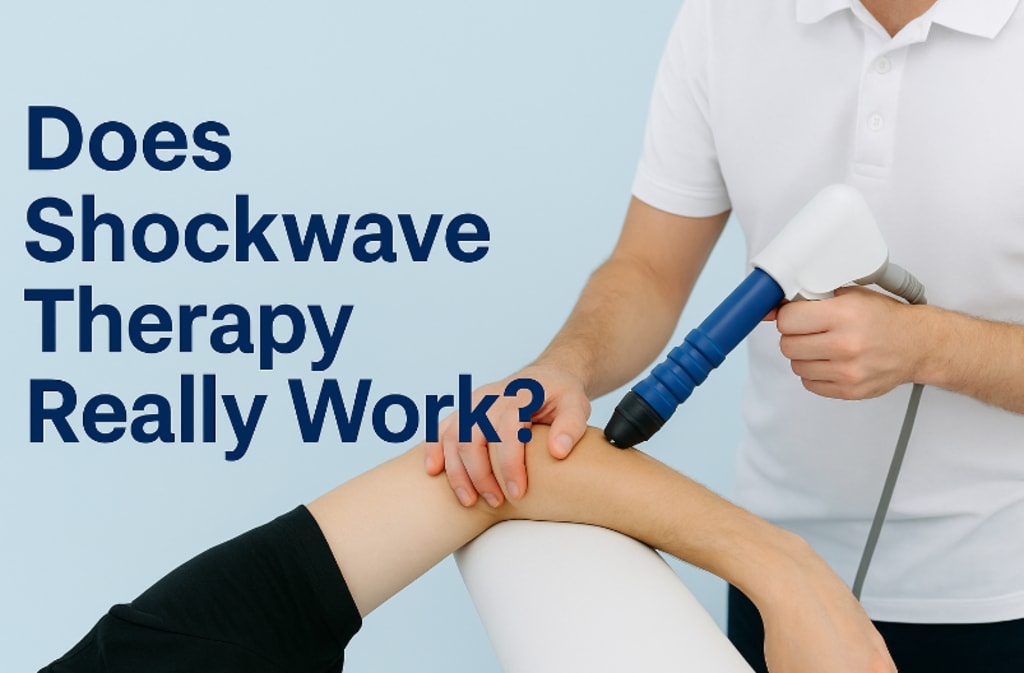
Shockwave therapy has gained strong attention in recent years, especially among patients looking for non-invasive alternatives to surgery. If you're struggling with chronic pain or injury and wondering whether shockwave therapy really works, the answer lies in understanding how it's used and which conditions it treats effectively.
In Singapore, many patients have experienced significant improvements through shockwave therapy, particularly when guided by experienced physiotherapists. Let's explore what makes this treatment effective, and dive into five common conditions it has successfully helped manage.
What Is Shockwave Therapy?
Shockwave therapy, or extracorporeal shock wave therapy (ESWT), is a treatment method that uses acoustic sound waves to target injured tissues. These waves stimulate blood flow, promote cellular repair, and help break down calcified tissues. The process encourages natural healing in areas that have been slow to respond to traditional treatments.
Unlike medications or surgeries, shockwave therapy works at a deeper tissue level without being invasive. It's commonly used by sports physiotherapists and musculoskeletal professionals to treat injuries and chronic pain conditions.
You can learn more about its clinical application at this shockwave therapy Singapore resource.
5 Conditions Successfully Treated with Shockwave Therapy in Singapore
Here are five conditions that have shown excellent response to shockwave therapy, based on real outcomes from patients in Singapore:
1. Plantar Fasciitis
One of the most common causes of heel pain, plantar fasciitis occurs when the plantar fascia (a thick band of tissue under the foot) becomes inflamed.
Shockwave therapy helps reduce inflammation and break down small adhesions in the fascia. In Singapore, many active individuals—including runners and office workers—turn to shockwave treatment when stretching, orthotics, and rest fail to provide relief.
By targeting the affected heel tissue, shockwave therapy stimulates faster regeneration, reducing pain and restoring mobility.
2. Tennis Elbow (Lateral Epicondylitis)
Tennis elbow is not just for tennis players. It’s common among office workers, gym-goers, and manual laborers. This condition involves microtears in the tendons near the elbow, often due to overuse.
In physiotherapy clinics across Singapore, shockwave therapy has emerged as a highly effective tool to manage this condition. It promotes collagen production, which is essential for tendon healing.
Paired with functional rehab exercises or even clinical pilates in Singapore, patients often see notable pain reduction in 3–6 sessions.
3. Calcific Shoulder Tendinitis
This condition involves calcium deposits forming in the tendons of the shoulder, particularly the rotator cuff. It causes stiffness, sharp pain, and limited movement.
Shockwave therapy is uniquely effective in breaking down the calcific deposits and increasing blood supply to the area. The acoustic waves fragment the calcium buildup, allowing the body to reabsorb the particles naturally over time.
Physiotherapy clinics in Singapore frequently report positive long-term outcomes for this condition when shockwave therapy is part of the treatment plan.
4. Patellar Tendinopathy (Jumper’s Knee)
A common condition among athletes and active individuals, jumper’s knee involves inflammation and degeneration of the patellar tendon, usually from repetitive stress.
Shockwave therapy helps by accelerating tissue repair, reducing inflammation, and relieving pain without the need for injections or medication. When guided by a sports physiotherapist in Singapore, the therapy is tailored to the individual’s sport and movement patterns, ensuring effective long-term results.
It is often combined with biomechanical correction and strengthening programs for full recovery.
5. Achilles Tendinopathy
Pain at the back of the ankle is frequently associated with Achilles tendinopathy, especially among runners and individuals with poor footwear or walking habits.
In this case, shockwave therapy helps by stimulating healing in the tendon fibers, enhancing local circulation, and reducing thickening of the tendon. Patients often report improvements in flexibility and reduced pain after just a few sessions.
Pairing shockwave with proper rehab in a dedicated physiotherapy clinic in Singapore is essential for long-lasting results.
Is Shockwave Therapy Safe?
Yes, shockwave therapy is clinically proven and non-invasive, with minimal risks when administered by qualified physiotherapists. Side effects may include temporary soreness or slight swelling, but these typically subside within 24–48 hours.
Most importantly, it requires no medication or surgical downtime, making it ideal for people seeking natural healing approaches.
What to Expect in a Session
Sessions usually last 15–30 minutes, depending on the area being treated. Patients may feel slight discomfort during the procedure, but it is generally well-tolerated.
A full treatment course typically involves 3–6 sessions, spaced one week apart. Most patients report improvements in pain and function within 2–3 sessions.
For optimal results, it’s often combined with other modalities like manual therapy, corrective exercises, or even clinical Pilates to improve strength and movement control.
Frequently Asked Questions (FAQs)
Does shockwave therapy hurt?
You may experience mild discomfort during the session, but it's usually manageable. The intensity can be adjusted based on your pain tolerance.
How quickly will I feel results?
Some patients feel relief after the first session, but most require 2–3 treatments to notice significant improvement. Long-term healing continues even after therapy ends.
Is it suitable for everyone?
Shockwave therapy is safe for most adults. However, it's not recommended for individuals with bleeding disorders, infections in the target area, or those who are pregnant.
How much does it cost in Singapore?
Pricing varies depending on the clinic and the number of sessions required. For detailed consultation and pricing, it’s best to contact a trusted physiotherapy clinic in Singapore.
Can I continue exercising during treatment?
In most cases, yes—but with guidance. Your physiotherapist may modify or limit certain movements while your body heals.
Final Thoughts
So, does shockwave therapy really work? For many patients in Singapore dealing with chronic pain and stubborn injuries, the answer is a resounding yes. Its non-invasive nature, effectiveness in tissue healing, and low downtime make it a preferred option among both patients and clinicians.
If you're considering this treatment, be sure to consult a trusted physiotherapy provider. Clinics like iPhysio Singapore offer a complete approach that combines shockwave therapy with clinical pilates and sports physiotherapy for optimal recovery.
About the Creator
Integrative Physio
Integrative Physio Pte Ltd, based in Orchard, Singapore, was founded in January 2016 to fulfill a vision of complete patient management. It is made up of a team of internationally trained health professionals.
Keep reading
More stories from Integrative Physio and writers in Families and other communities.
Managing Vertigo and Balance Disorders Through Vestibular Physiotherapy in Singapore
Do you often feel dizzy, unsteady, or like the world is spinning around you? You may be suffering from a condition known as vertigo or a balance disorder. These symptoms can greatly impact your quality of life, making everyday activities like walking, driving, or even getting out of bed difficult and dangerous.
By Integrative Physio9 months ago in Families



Comments