
"Dealing with Family Conflicts: Building Bridges, Not Walls"
Understanding the Causes, Impacts, and Healthy Solutions for a More Harmonious Home

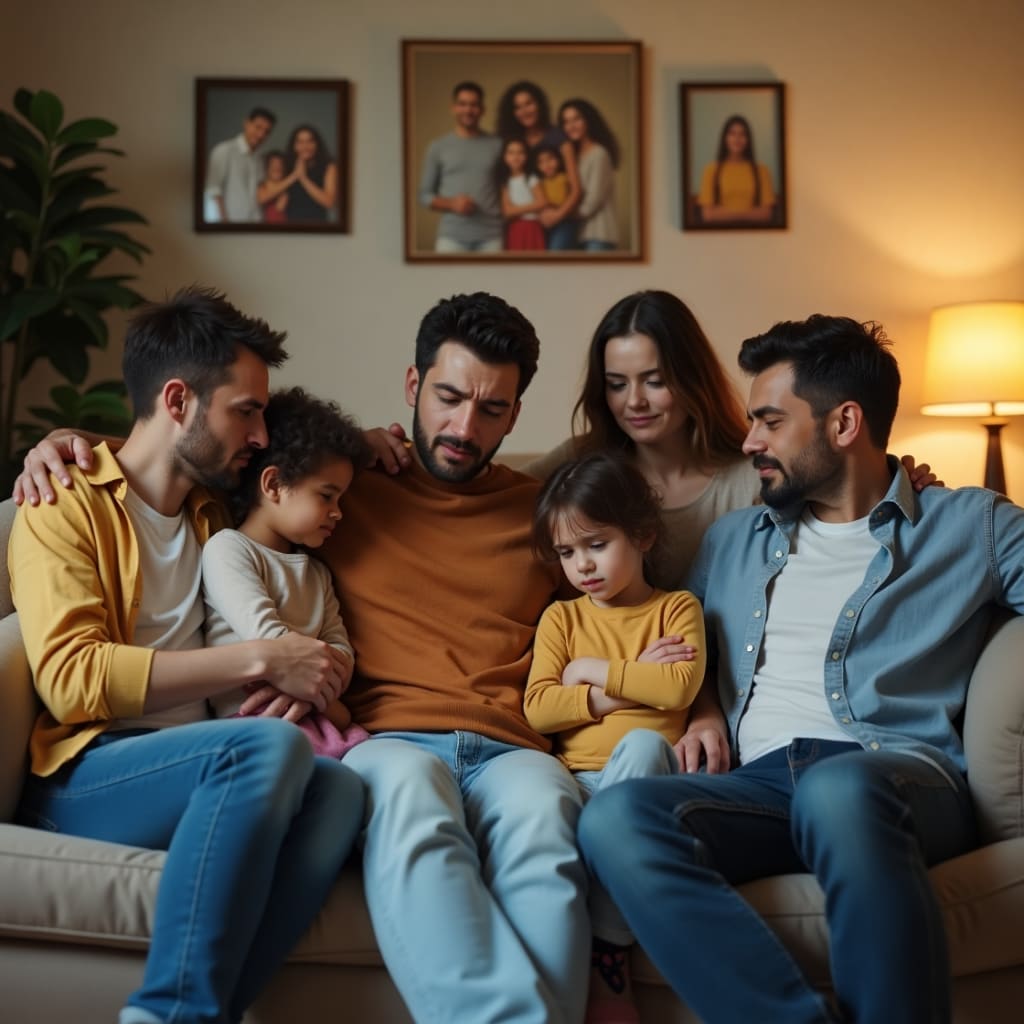
Toady I am discussing the solution of our daily life problems. So lets find the best solution of it.....
Family is often considered the foundation of our lives—a source of love, support, and belonging. However, no family is perfect, and conflicts are an inevitable part of living closely with others. Whether it’s a disagreement between siblings, a clash of values between parents and children, or misunderstandings between spouses, family conflicts can be emotionally challenging and disruptive. Yet, if approached thoughtfully, these conflicts can become opportunities for growth, understanding, and deeper relationships.
Causes of Family Conflicts
Family conflicts arise from a variety of sources. Differences in personality, values, expectations, and communication styles can lead to friction. For example, a teenager seeking independence may clash with parents who are trying to enforce rules and boundaries. Financial stress, work pressure, or even household responsibilities can also trigger disagreements. In extended families, issues such as inheritance, caregiving responsibilities for elderly parents, or favoritism can further complicate relationships.
Miscommunication is another major cause of conflict. Sometimes people interpret each other’s words or actions in unintended ways, leading to hurt feelings and resentment. In many cases, past unresolved issues resurface during current disagreements, making conflicts more intense than they need to be.
The Impact of Unresolved Conflicts
When family conflicts are not addressed properly, they can lead to long-lasting emotional damage. Resentment may build up over time, creating a cycle of anger and frustration. Children exposed to frequent arguments may develop anxiety, behavioral problems, or struggle with relationships later in life. A once-harmonious household can become filled with tension, affecting everyone’s mental and emotional well-being.
Moreover, prolonged conflicts can lead to estrangement—where family members stop communicating altogether. This not only breaks emotional bonds but also deprives individuals of the social and emotional support that family often provides.
Strategies for Managing Family Conflicts
Dealing with family conflicts requires patience, empathy, and effective communication. Here are some strategies that can help:
1. Open and Honest Communication
One of the most important steps in resolving conflict is to talk openly and respectfully. Encourage family members to express their feelings without fear of judgment. Active listening—truly hearing what the other person is saying—can prevent misunderstandings and show that their emotions are valued.
2. Stay Calm and Avoid Blame
In the heat of the moment, it’s easy to raise voices or assign blame. However, this often escalates the situation. Using “I” statements instead of “You” statements can be helpful. For example, saying “I feel hurt when I’m not listened to” is more constructive than “You never listen to me.”
3. Empathy and Understanding
Trying to see the issue from the other person’s point of view can change the entire dynamic of a conflict. Empathy doesn’t mean you have to agree, but it shows that you are willing to understand and validate the other person’s feelings.
4. Set Boundaries and Compromise
Sometimes, conflicts arise when personal boundaries are crossed. It’s important to clearly define limits and expectations. In many cases, finding a middle ground where both parties compromise leads to a solution that everyone can accept.
5. Seek Help When Needed
Not all conflicts can be resolved within the family. In situations involving deep emotional wounds, abuse, or long-standing issues, it may be helpful to seek the guidance of a family counselor or mediator. Professional help can provide tools and techniques for healthy communication and resolution.
Turning Conflict into Opportunity
Conflict, when handled constructively, can strengthen family bonds. It provides a chance to understand each other more deeply, clear up misunderstandings, and rebuild trust. Families that openly address issues and work through them together often become more resilient and emotionally connected.
Children who witness healthy conflict resolution learn valuable life skills such as communication, empathy, and emotional regulation. This prepares them to handle future challenges in both personal and professional relationships.
Conclusion
Family conflicts are a natural part of life. Instead of avoiding them or allowing them to fester, families should strive to handle disagreements with love, respect, and understanding. While not always easy, taking the time to listen, empathize, and communicate can turn even the most difficult situations into opportunities for growth. In the end, maintaining a peaceful and supportive family environment is well worth the effort it takes to resolve conflict with care and compassion.
About the Creator
Hamid Khan
Exploring lifes depths one story at a time, join me on a journy of discovery and insights.
Sharing perspectives,sparking conversations read on lets explore together.
Curious mind passionate, writer diving in topics that matter.
Keep reading
More stories from Hamid Khan and writers in Families and other communities.
2125: A Glimpse Into the Future of Earth
Does anyone think that how the world will be after100 years? Lets discuss it today.... A hundred years ago, in 2025, the world stood at a crossroads. Climate change loomed large, artificial intelligence was just finding its feet, and humanity was beginning to seriously imagine life beyond Earth. Now, in the year 2125, Earth is nearly unrecognizable—but not in the apocalyptic way many once feared. It is a world shaped by innovation, adaptation, and profound change. This is a glimpse into our possible future.
By Hamid Khan8 months ago in Families
The Shadow in the Screen: Why Your Child’s Identity is the New Gold for AI Hackers
I remember the first time I saw it. A photo of my niece, the one I had taken at her fifth birthday party, appearing on a profile that didn’t belong to anyone in our family. The name was different. The location was halfway across the world. But the smile was unmistakably hers.
By Alex Sterling 7 days ago in Families




Comments
There are no comments for this story
Be the first to respond and start the conversation.