

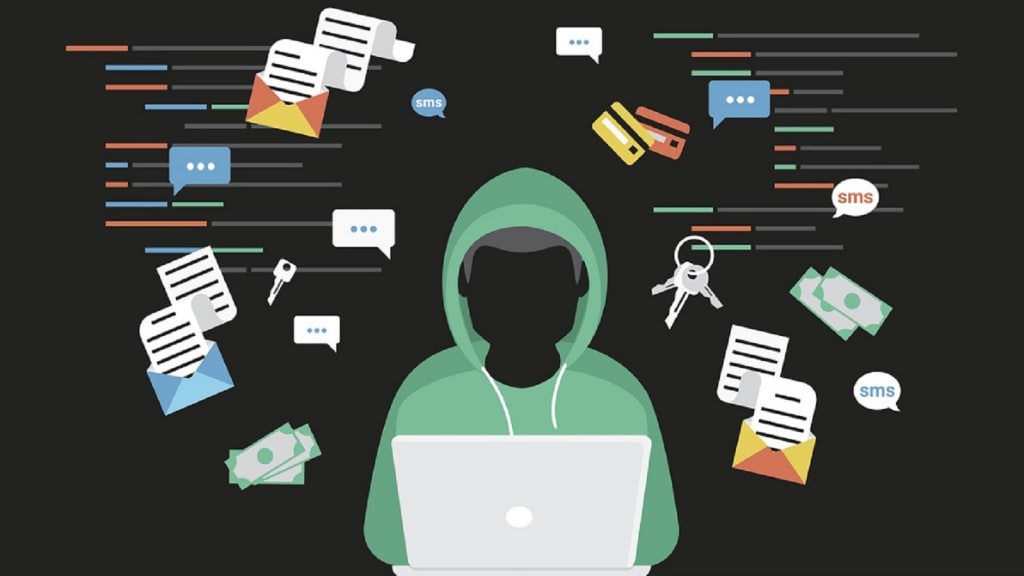
Cybersecurity threats have become a critical concern in today's digital age, affecting individuals, businesses, and governments worldwide. As technology advances, so do the methods and tactics used by cybercriminals to exploit vulnerabilities.
This article explores the various types of cybersecurity threats, their impact, and the measures that can be taken to mitigate these risks.
1. Types of Cybersecurity Threats
1.1 Malware
Malware, short for malicious software, is designed to damage, disrupt, or gain unauthorized access to computer systems. Common types of malware include viruses, worms, Trojans, ransomware, spyware, and adware. Each type has a specific method of infecting systems and causing harm:
Viruses: Attach themselves to legitimate programs and spread when these programs are executed.
Worms: Replicate themselves to spread to other systems without human intervention.
Trojans: Disguise themselves as legitimate software but perform malicious activities once installed.
Ransomware: Encrypts files on a victim's system and demands a ransom for their release.
Spyware: Secretly monitors and collects information about a user's activities.
Adware: Delivers unwanted advertisements, often in the form of pop-ups.
1.2 Phishing
Phishing attacks involve tricking individuals into revealing sensitive information, such as login credentials or financial details, by pretending to be a trustworthy entity. These attacks are typically conducted through email, but they can also occur via text messages, social media, or fraudulent websites. Phishing tactics are becoming increasingly sophisticated, making it difficult for users to distinguish between legitimate and malicious communications.
1.3 Man-in-the-Middle (MitM) Attacks
In a MitM attack, a cybercriminal intercepts and manipulates communication between two parties without their knowledge. This type of attack can occur in various forms, such as eavesdropping on network traffic, hijacking sessions, or spoofing legitimate websites. MitM attacks can lead to the theft of sensitive information, unauthorized transactions, and the compromise of communication channels.
1.4 Denial-of-Service (DoS) and Distributed Denial-of-Service (DDoS) Attacks
DoS and DDoS attacks aim to disrupt the availability of a targeted service by overwhelming it with excessive traffic or resource demands. In a DoS attack, a single source generates the attack, while a DDoS attack involves multiple compromised systems, often part of a botnet, working together to flood the target. These attacks can cripple websites, online services, and network infrastructure, causing significant downtime and financial losses.
1.5 Advanced Persistent Threats (APTs)
APTs are long-term, targeted cyberattacks conducted by well-funded and skilled adversaries, often nation-states or organized crime groups. These attackers infiltrate a network and remain undetected for extended periods, gathering intelligence and extracting valuable data. APTs typically involve multiple stages, including reconnaissance, initial intrusion, lateral movement within the network, and data exfiltration.
1.6 Insider Threats
Insider threats arise from individuals within an organization who have access to sensitive information and systems. These insiders can be employees, contractors, or business partners who misuse their access for malicious purposes, such as theft, sabotage, or espionage. Insider threats can be particularly challenging to detect and prevent due to the trusted nature of the individuals involved.
1.7 Zero-Day Exploits
Zero-day exploits take advantage of previously unknown vulnerabilities in software or hardware. Since these vulnerabilities are not yet known to the vendor or public, there are no patches or defenses available, making zero-day attacks highly effective and dangerous. Cybercriminals actively seek out and exploit these weaknesses to gain unauthorized access or cause damage.
2. Impact of Cybersecurity Threats
2.1 Financial Losses
Cybersecurity threats can result in significant financial losses for individuals, businesses, and governments. Costs associated with data breaches, ransomware payments, fraud, and business disruption can be substantial. Additionally, organizations may incur expenses related to incident response, legal fees, regulatory fines, and reputational damage.
2.2 Data Breaches and Privacy Violations
Data breaches involve the unauthorized access and disclosure of sensitive information, such as personal data, financial records, and intellectual property. These breaches can lead to identity theft, financial fraud, and privacy violations. For businesses, data breaches can erode customer trust and result in regulatory penalties under data protection laws, such as the General Data Protection Regulation (GDPR).
2.3 Operational Disruptions
Cyberattacks can disrupt the normal operations of organizations, leading to downtime, productivity losses, and service outages. For critical infrastructure, such as power grids, healthcare systems, and transportation networks, operational disruptions can have severe consequences, impacting public safety and national security.
2.4 Reputational Damage
Organizations that fall victim to cyberattacks often suffer reputational damage, which can affect customer trust and brand loyalty. Negative publicity, loss of business, and decreased shareholder value are common repercussions of a damaged reputation. Recovering from reputational damage can be a lengthy and challenging process.
2.5 Legal and Regulatory Consequences
Cybersecurity incidents can lead to legal and regulatory consequences for organizations. Non-compliance with data protection regulations can result in hefty fines and legal actions. Organizations may also face lawsuits from affected individuals or entities seeking compensation for damages caused by the breach.
3. Mitigating Cybersecurity Threats
3.1 Implementing Strong Security Measures
Organizations should implement robust security measures to protect their systems and data. This includes deploying firewalls, intrusion detection and prevention systems, antivirus software, and encryption. Regular security assessments and penetration testing can help identify and address vulnerabilities.
3.2 Educating and Training Employees
Employee education and training are crucial for preventing cybersecurity incidents. Organizations should conduct regular training sessions to raise awareness about common threats, such as phishing and social engineering, and teach best practices for safe online behavior. Employees should be encouraged to report suspicious activities and potential security breaches.
3.3 Enforcing Access Controls
Access controls help limit the exposure of sensitive information to authorized individuals only. Implementing the principle of least privilege ensures that users have the minimum level of access necessary to perform their duties. Multi-factor authentication (MFA) adds an additional layer of security by requiring users to verify their identity through multiple methods.
3.4 Keeping Software and Systems Updated
Regularly updating and patching software and systems is essential to protect against known vulnerabilities. Organizations should establish a patch management process to ensure that updates are applied promptly. Using automated tools to manage patches can help streamline the process and reduce the risk of human error.
3.5 Developing Incident Response Plans
Having a well-defined incident response plan is critical for effectively managing and mitigating the impact of cybersecurity incidents. The plan should outline the steps to be taken in the event of a breach, including containment, investigation, communication, and recovery. Regular drills and simulations can help ensure that the response team is prepared to act quickly and efficiently.
3.6 Monitoring and Threat Intelligence
Continuous monitoring of network activity and threat intelligence can help detect and respond to potential threats in real-time. Security Information and Event Management (SIEM) systems aggregate and analyze data from various sources to identify suspicious patterns. Threat intelligence feeds provide information about emerging threats and vulnerabilities, enabling organizations to stay ahead of cybercriminals.
3.7 Collaboration and Information Sharing
Collaboration and information sharing among organizations, industry groups, and government agencies can enhance collective cybersecurity efforts. Sharing threat intelligence, best practices, and lessons learned can help organizations better understand and defend against evolving threats. Public-private partnerships are essential for addressing cybersecurity challenges at a broader scale.
4. Future Outlook for Cybersecurity
4.1 Emerging Technologies
Emerging technologies, such as artificial intelligence (AI) and machine learning (ML), hold promise for enhancing cybersecurity. AI and ML can analyze vast amounts of data to identify anomalies and predict potential threats. However, these technologies also pose new risks, as cybercriminals can use them to develop more sophisticated attacks.
4.2 Quantum Computing
Quantum computing has the potential to revolutionize cybersecurity, both positively and negatively. While quantum computers can break traditional encryption methods, they can also enable the development of new, more secure cryptographic techniques. Organizations must stay informed about advancements in quantum computing and prepare for its implications on cybersecurity.
4.3 Evolving Regulatory Landscape
The regulatory landscape for cybersecurity is continuously evolving, with new laws and standards being introduced to address emerging threats. Organizations must stay compliant with regulations, such as GDPR, the California Consumer Privacy Act (CCPA), and industry-specific standards. Adopting a proactive approach to regulatory compliance can help mitigate legal and financial risks.
4.4 Increasing Cybersecurity Investments
As the frequency and severity of cyberattacks continue to rise, organizations are expected to increase their investments in cybersecurity. This includes investing in advanced security technologies, hiring skilled cybersecurity professionals, and enhancing incident response capabilities. A strong cybersecurity posture is essential for protecting assets, maintaining trust, and ensuring business continuity.
Conclusion
Cybersecurity threats are a growing concern in the digital age, posing significant risks to individuals, businesses, and governments. Understanding the various types of threats, their impact, and the measures to mitigate them is crucial for building a resilient cybersecurity framework.
By implementing strong security measures, educating employees, enforcing access controls, and staying informed about emerging technologies and regulatory changes, organizations can better protect themselves against cyber threats and navigate the complex landscape of cybersecurity.
About the Creator
RAYMOND OGWU
I’m a digital marketer passionate about crafting engaging content and building brands. Outside of marketing, I share stories of my adventures.Join me as we dive into the world of digital marketing and uncover thrilling adventures together!
Keep reading
More stories from RAYMOND OGWU and writers in Families and other communities.
COVID-19 vaccination updates
As of 2024, the global fight against COVID-19 continues with ongoing developments in vaccination efforts. The rapid development, distribution, and administration of COVID-19 vaccines have been pivotal in controlling the spread of the virus and mitigating its impact on public health and economies.
By RAYMOND OGWU2 years ago in Families
A Dad Who Didn’t Know How to Handle the Grief of Divorce
The first morning I woke up alone in the flat, I made two cups of tea. Force of habit. I stood there in the kitchen holding both mugs, one in each hand, and just stared at them like an idiot. Then I poured one down the sink and watched it swirl away.
By Jess Knauf4 days ago in Families
"Scream 7" (2026): Running out of Fresh Screams
This is the seventh time we’ve had a Ghostface crisis. Scream 7 is the latest edition of the Scream franchise. Sydney Prescott and her family are under attack by another anonymous killer dressed in a Ghostface costume. While having issues with her daughter, Tatum, they run from the bloody murders, trying to determine who is behind it all.
By Marielle Sabbag6 days ago in Horror




Comments
There are no comments for this story
Be the first to respond and start the conversation.