

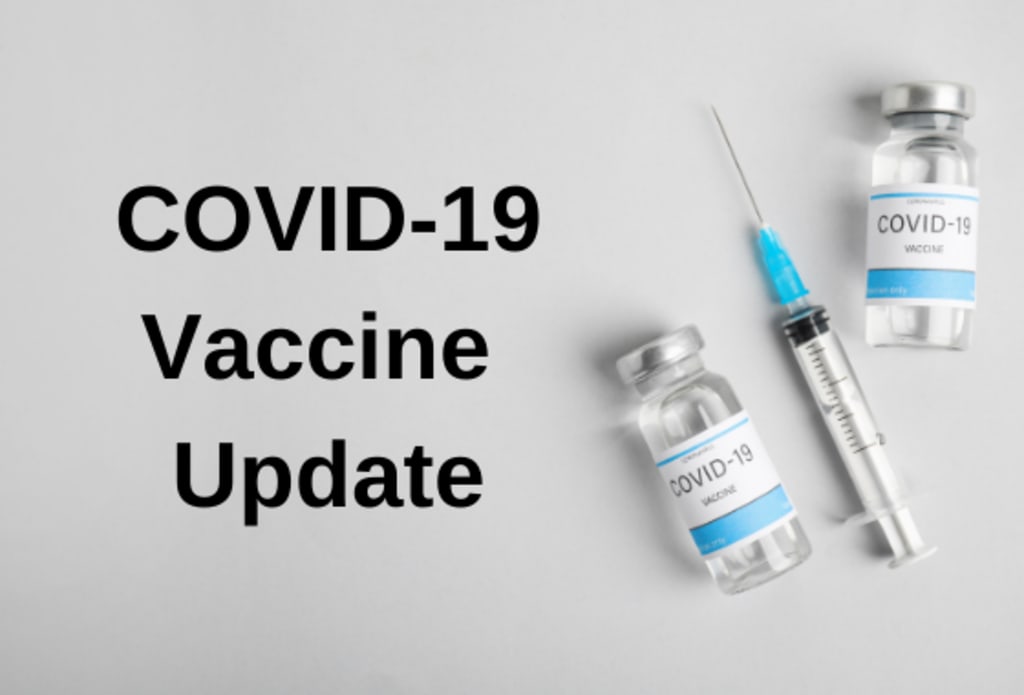
As of 2024, the global fight against COVID-19 continues with ongoing developments in vaccination efforts. The rapid development, distribution, and administration of COVID-19 vaccines have been pivotal in controlling the spread of the virus and mitigating its impact on public health and economies.
This comprehensive update provides an overview of the current state of COVID-19 vaccinations, including new vaccine developments, booster campaigns, challenges in vaccine distribution, and the role of vaccines in the evolving landscape of the pandemic.
1. New Vaccine Developments
1.1 Next-Generation Vaccines
Since the initial rollout of COVID-19 vaccines, there has been significant progress in the development of next-generation vaccines. These vaccines aim to provide broader and longer-lasting protection against emerging variants of the virus. For instance, researchers are working on:
Multivalent Vaccines: These vaccines target multiple variants of the virus simultaneously, enhancing their effectiveness against diverse strains. Examples include updated versions of the Pfizer-BioNTech and Moderna mRNA vaccines.
Universal Coronavirus Vaccines: Efforts are underway to develop vaccines that protect against a wide range of coronaviruses, not just SARS-CoV-2. These could offer protection against future pandemics.
1.2 New Vaccine Platforms
In addition to mRNA and viral vector vaccines, new platforms are being explored to improve efficacy and accessibility:
Protein Subunit Vaccines: These vaccines, such as Novavax, use harmless pieces of the virus to stimulate an immune response. They are seen as a promising option due to their stability and ease of storage.
Intradermal Vaccines: Researchers are exploring vaccines that can be administered just under the skin, which may require lower doses and reduce side effects.
2. Booster Campaigns
2.1 Importance of Boosters
As the immunity provided by initial vaccine doses can wane over time, booster doses have become a critical component of vaccination strategies. Boosters help to:
Enhance Protection: Strengthen the immune response and extend the duration of protection against COVID-19.
Counteract Variants: Provide better protection against new variants, which may partially evade the immunity from the initial doses.
2.2 Booster Recommendations
Health authorities around the world have updated their booster recommendations to reflect the latest scientific evidence:
Eligibility: Boosters are recommended for all adults, with a focus on vulnerable populations such as the elderly, immunocompromised individuals, and healthcare workers.
Timing: The timing of booster doses varies, but it is generally recommended six months after the completion of the primary vaccination series or the last booster dose.
New Formulations: Updated booster formulations, targeting specific variants like Omicron, are being rolled out to improve efficacy against circulating strains.
3. Challenges in Vaccine Distribution
3.1 Global Inequities
Despite significant progress, vaccine distribution remains uneven globally, with disparities between high-income and low-income countries:
Access: Many low-income countries still struggle to access sufficient vaccine supplies, hindering their efforts to achieve widespread immunity.
Infrastructure: Limited healthcare infrastructure and logistical challenges impede vaccine distribution in remote and underserved areas.
3.2 Vaccine Hesitancy
Vaccine hesitancy continues to pose a challenge in achieving high vaccination coverage:
Misinformation: Misinformation and conspiracy theories about COVID-19 vaccines persist, contributing to public reluctance.
Cultural Barriers: Cultural beliefs and distrust in government or healthcare institutions can affect vaccine acceptance.
3.3 Cold Chain Requirements
Some COVID-19 vaccines, particularly mRNA vaccines, require ultra-cold storage, complicating distribution efforts:
Cold Storage: Maintaining the cold chain in areas with limited refrigeration capabilities is challenging.
Alternative Solutions: Efforts are being made to develop vaccines with less stringent storage requirements to facilitate wider distribution.
4. Role of Vaccines in the Evolving Pandemic
4.1 Herd Immunity
Vaccines play a crucial role in moving towards herd immunity, which occurs when a significant portion of the population becomes immune to the virus, reducing its spread:
Thresholds: Achieving herd immunity requires high vaccination coverage, with estimates ranging from 70% to 90% of the population, depending on the transmissibility of the variants.
Natural Immunity: Combining vaccine-induced immunity with natural immunity from previous infections can contribute to herd immunity, although the duration and strength of natural immunity vary.
4.2 Reducing Severe Outcomes
Vaccination has been shown to significantly reduce the severity of COVID-19, even when breakthrough infections occur:
Hospitalizations and Deaths: Vaccinated individuals are less likely to experience severe disease, hospitalization, or death compared to the unvaccinated.
Long COVID: Emerging evidence suggests that vaccination may also reduce the risk of long COVID, a condition characterized by prolonged symptoms following infection.
4.3 Adaptation to New Variants
The emergence of new variants continues to challenge the effectiveness of existing vaccines, necessitating ongoing adaptation:
Variant Surveillance: Continuous monitoring of circulating variants helps in updating vaccines to maintain efficacy.
mRNA Flexibility: mRNA vaccines can be rapidly modified to address new variants, offering a versatile tool in the fight against COVID-19.
5. Vaccination Policies and Public Health Strategies
5.1 Mandates and Incentives
Governments and organizations have implemented various policies to encourage vaccination:
Mandates: Some countries and institutions have implemented vaccine mandates for certain groups, such as healthcare workers and students, to increase vaccination rates.
Incentives: Incentives, including financial rewards, free services, and social privileges, have been used to motivate people to get vaccinated.
5.2 Public Health Communication
Effective communication strategies are essential to address vaccine hesitancy and promote vaccination:
Clear Messaging: Providing clear, accurate, and consistent information about the benefits and safety of vaccines is crucial.
Community Engagement: Engaging with community leaders and influencers can help build trust and encourage vaccine uptake in hesitant populations.
5.3 Integration with Routine Immunization Programs
Integrating COVID-19 vaccination into routine immunization programs can streamline efforts and improve coverage:
Co-administration: Administering COVID-19 vaccines alongside other routine vaccines can enhance convenience and compliance.
Health Infrastructure: Leveraging existing health infrastructure and personnel can facilitate efficient vaccine distribution and administration.
Conclusion
The global response to COVID-19 through vaccination efforts has been unprecedented in scale and speed. While significant progress has been made, challenges remain in achieving equitable vaccine distribution and addressing vaccine hesitancy.
Continuous adaptation of vaccines to emerging variants, effective public health strategies, and international cooperation are essential to overcoming these challenges and controlling the pandemic. As the situation evolves, staying informed about vaccination updates and supporting vaccination efforts are crucial steps in safeguarding public health and returning to a semblance of normalcy.
About the Creator
RAYMOND OGWU
I’m a digital marketer passionate about crafting engaging content and building brands. Outside of marketing, I share stories of my adventures.Join me as we dive into the world of digital marketing and uncover thrilling adventures together!
Keep reading
More stories from RAYMOND OGWU and writers in Families and other communities.
Husbands With These 2 Bad Habits May Put Their Wives at Higher Risk of Breast Cancer
When people think about breast cancer risk, they often focus on genetics, diet, or personal lifestyle choices. While these factors are important, there is another influence that is often overlooked—the daily habits of a husband or partner. The lifestyle shared inside a home can shape long-term health outcomes for both partners.
By DigitalAddiabout 4 hours ago in Families




Comments
There are no comments for this story
Be the first to respond and start the conversation.