
Cultural Competency in Home Healthcare
Building Bridges of Understanding in Hampton Roads
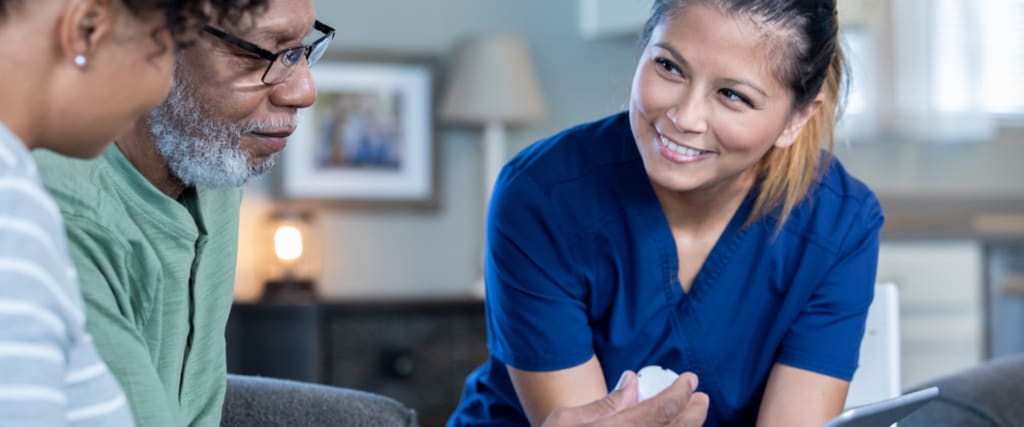
In the diverse landscape of Hampton Roads, delivering effective home healthcare requires more than medical expertise—it demands a deep understanding of the cultural mosaic that makes our community unique. As healthcare providers who enter people's homes, we've learned that cultural competency isn't just an added benefit—it's fundamental to providing exceptional care.
The Evolution of Cultural Care in Home Health
The healthcare landscape has transformed dramatically over the past decade. With remote patient monitoring, AI-powered care planning, and advanced treatment technologies becoming standard practice, we might assume that technical innovation alone drives better health outcomes. However, our experience shows that technology must be balanced with cultural understanding to truly improve patient care.
Consider how different cultures approach healing and wellness. Some communities prioritize family-based decision-making, while others rely heavily on traditional healing practices alongside modern medicine. These cultural nuances significantly impact how patients engage with healthcare services, follow treatment plans, and respond to medical interventions.
Breaking Down Cultural Barriers in Healthcare
Effective cultural competency in home healthcare addresses several key areas:
Communication Beyond Language
While offering multilingual services is essential, effective communication encompasses much more. It includes understanding:
• Non-verbal cues and body language
• Cultural interpretations of health and illness
• Family dynamics and decision-making hierarchies
• Traditional healing practices and their role in modern care
Treatment Plan Customization
Every care plan should reflect not just medical needs, but cultural considerations:
• Dietary preferences and restrictions based on cultural or religious practices
• Timing of care visits around prayer times or cultural observances
• Integration of traditional healing methods when appropriate
• Family involvement in care decisions and implementation
Technology Integration with Cultural Sensitivity
As we implement advanced healthcare technologies, cultural competency guides how we:
• Introduce remote monitoring devices in culturally appropriate ways
• Explain virtual rehabilitation services to different communities
• Ensure AI-powered care planning accounts for cultural preferences
• Make technological innovations accessible across cultural barriers
Building Trust Through Understanding
Trust forms the foundation of effective healthcare relationships. In home healthcare, where we enter patients' personal spaces, trust becomes even more crucial. Our approach includes:
Professional Development
• Ongoing cultural competency training for all team members
• Regular updates on emerging community needs
• Case studies and real-world scenario training
• Community feedback integration into training programs
Community Engagement
• Partnerships with local cultural organizations
• Regular community health education sessions
• Participation in cultural celebrations and events
• Open dialogue with community leaders
Measuring Impact and Outcomes
Cultural competency directly affects healthcare outcomes through:
• Improved medication adherence
• Better follow-through with treatment plans
• Increased patient satisfaction
• Reduced healthcare disparities
• More effective communication between providers and patients
Looking Forward: The Future of Culturally Competent Care
As Hampton Roads continues to grow more diverse, cultural competency in healthcare must evolve. This includes:
• Expanding technology integration while maintaining cultural sensitivity
• Developing more sophisticated translation and interpretation services
• Creating culturally specific health education materials
• Building stronger community health partnerships
The intersection of modern healthcare innovation and cultural understanding creates opportunities for better care delivery. When we combine advanced wound care technologies, remote monitoring systems, and AI-powered planning with deep cultural awareness, we create a healthcare experience that truly serves our entire community.
A Commitment to Continuous Learning
Cultural competency isn't a destination—it's an ongoing journey of learning and adaptation. As healthcare providers, we must remain committed to:
• Understanding new cultural perspectives
• Adapting to changing community needs
• Integrating feedback from patients and families
• Evolving our practices to serve all communities effectively
By maintaining this commitment to cultural understanding while embracing healthcare innovations, we can provide care that respects both tradition and progress, ensuring every patient receives the highest quality of care in a way that feels comfortable and familiar to them.
To learn more, visit us online.
About the Creator
Keep reading
More stories from writers in Families and other communities.
Wise~Guys
— Look Behind what's in Front of You ~ Make Good Choices — Hey, So how you Doin'..! Made~Men — Mobster Movies romanticise a distinctive, elegant appearance, impeccable attire style, along with the 'Families' expressive lingo. Making their 'Bones' gave them Panache — with vintage fedoras, tailored pin-striped suits, mirror-polished wing-tip shoes adorned with tassels; with their 'Gun Moll' gorgeous dates on their arms.
By Jay Kantor26 days ago in Families
Genetic Confession
I didn’t come for forgiveness. I came for a kidney. The air inside the confessional smelled of old cedar, floor wax, and the faint, lingering scent of frankincense. It was a heavy, suffocating smell—the kind that makes you realize how hard it is to breathe when your own body is slowly betraying you.
By Jhon smith2 days ago in Families




Comments
There are no comments for this story
Be the first to respond and start the conversation.