
Common Plumbing Mistakes to Avoid in a Kitchen & Bathroom Remodel
Essential Plumbing Considerations for a Successful Remodel
Summary:
Renovating your kitchen and bathroom is an exciting process, but plumbing mistakes can turn your dream remodel into a costly nightmare. From improper pipe selection to ignoring water pressure needs, these common errors can lead to leaks, inefficiency, and long-term damage. This guide outlines crucial plumbing mistakes to avoid and how to ensure a smooth renovation process.
Introduction
Renovating your kitchen and bathroom can be an exciting yet challenging endeavor. Whether you are upgrading for aesthetic appeal, functionality, or to increase your home’s value, ensuring that plumbing is done correctly is crucial. Mistakes in plumbing during a kitchen renovation or bathroom remodel can lead to costly repairs and long-term damage. To help you avoid these pitfalls, here are some common plumbing mistakes you should be aware of.
Essential Plumbing Considerations for a Successful Remodel
1. Ignoring the Importance of a Professional Plumber
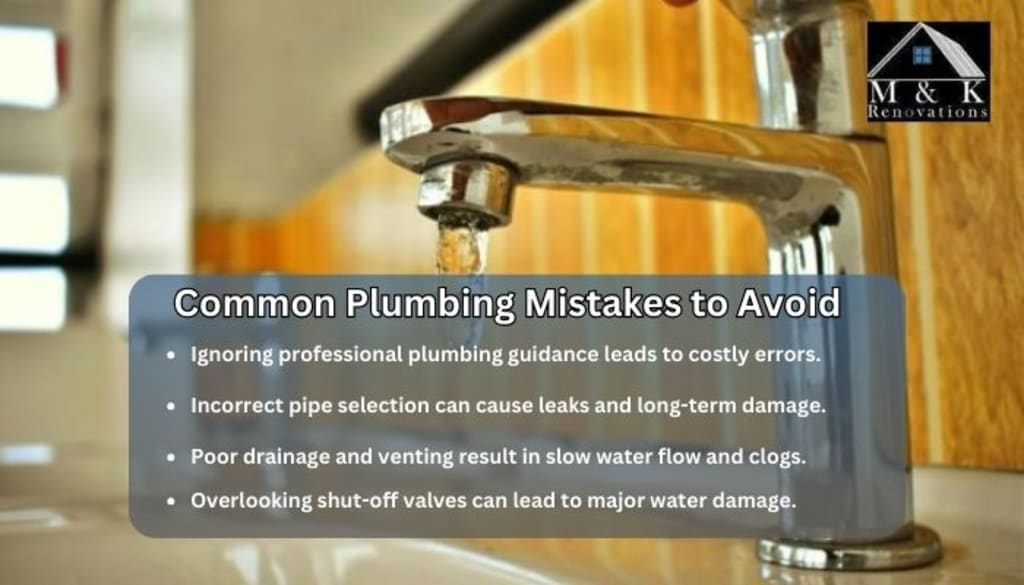
Many homeowners attempt a DIY approach to plumbing, thinking they can save money. However, plumbing is a complex system that requires expertise. A professional plumber ensures compliance with building codes, correct pipe fittings, and a leak-free installation. Mistakes made by inexperienced hands can result in leaks, poor water pressure, and even structural damage.
2. Choosing the Wrong Pipe Material
Selecting the right type of pipes is crucial for longevity and durability. PVC, copper, and PEX pipes are commonly used, each with its pros and cons. For instance, using PVC pipes for hot water lines can lead to warping over time. A knowledgeable plumber will ensure you choose the right materials for your kitchen remodel and bathroom renovation.
3. Poor Pipe Slope and Venting
Proper drainage is essential in plumbing. If pipes are not sloped correctly, water may not flow properly, leading to clogs and backups. Similarly, improper venting can result in slow drainage, bad odors, and gurgling noises from your sink or toilet. Hiring a professional ensures proper installation to prevent these issues.
4. Failing to Plan for Sufficient Water Pressure
Many homeowners focus on aesthetics while neglecting functionality. If your plumbing system is not designed to handle increased water usage, you may face low water pressure. This is especially important when upgrading to high-end appliances or multiple showerheads. Consult with a professional to assess your water pressure needs before finalizing your design.
5. Incorrect Fixture Placement
Improper placement of sinks, toilets, or bathtubs can lead to an inefficient layout. This mistake often occurs when homeowners prioritize design over practicality. Relocating plumbing fixtures after installation can be costly and time-consuming. Always consider the existing plumbing layout when planning a kitchen renovation to avoid unnecessary modifications.
6. Overlooking Shut-Off Valves
Shut-off valves allow you to turn off the water supply in case of leaks or maintenance needs. Failing to install them properly, or neglecting them altogether, can cause major issues. Ensure that each fixture has a dedicated shut-off valve for easy access in emergencies.
7. Using Mismatched Pipe Fittings
Mixing different pipe materials, such as copper and galvanized steel, can lead to corrosion, leaks, and reduced water quality. Using the correct fittings and connectors ensures a secure and long-lasting plumbing system.
8. Forgetting About Expansion Gaps
Temperature changes cause pipes to expand and contract. Without adequate expansion gaps, pipes may crack or become loose over time. Proper installation techniques, such as securing pipes with brackets while allowing movement, help prevent long-term damage.
9. Improper Sealing of Joints
Leaks often occur due to improper sealing of pipe joints. Using the right sealants, such as plumber’s tape or thread sealant, is essential to prevent leaks and maintain a watertight system.
10. Not Accounting for Future Maintenance
Your plumbing system should be designed with future maintenance in mind. Installing pipes and fixtures in hard-to-reach places can make future repairs more difficult and expensive. Ensure accessibility to essential components like water heaters, shut-off valves, and drainage pipes.
External Resource for Further Guidance
For more in-depth plumbing tips and regulations, visit the National Association of Home Builders.
Final Thought
Avoiding these common plumbing mistakes during your kitchen and bathroom remodel will save you time, money, and stress. Hiring a professional and planning thoroughly can make your kitchen smooth and hassle-free. If you need expert guidance, don’t hesitate to contact us for professional renovation services
About the Creator
Keep reading
More stories from M & K Renovations and writers in Families and other communities.
Which Features Should You Prioritize in a Bathroom Remodel?
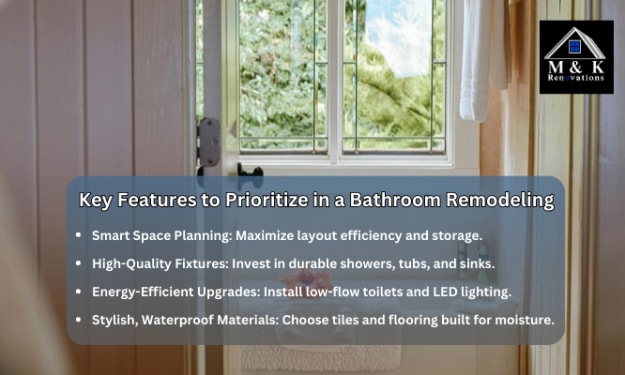
Introduction: Remodeling your bathroom isn’t just about making it look nicer—it’s an investment in your comfort, convenience, and the overall value of your home. With the right design choices, you can create a space that’s both beautiful and functional. So, what features should you focus on to get the most out of your remodel? Let’s explore how we can help you create a bathroom you’ll love.
By M & K Renovations9 months ago in Families
Wise~Guys
— Look Behind what's in Front of You ~ Make Good Choices — Hey, So how you Doin'..! Made~Men — Mobster Movies romanticise a distinctive, elegant appearance, impeccable attire style, along with the 'Families' expressive lingo. Making their 'Bones' gave them Panache — with vintage fedoras, tailored pin-striped suits, mirror-polished wing-tip shoes adorned with tassels; with their 'Gun Moll' gorgeous dates on their arms.
By Jay Kantor24 days ago in Families
Dementia Red Flags That Matter and What to Do When You Notice Them
The last moment that is often the most crucial one is that one notices that something is wrong and makes a decision. Dementia does not present itself in a loud voice. It creeps in under the carpet pretending to be stress or getting old or even bad week. By the time most families seek assistance, the symptoms have been years old. The beginning at the end approach implies that the sooner the action is taken the more chances there are to save the independence, to make the lives better and to afford the families time to make their plans without panic and hesitation.
By Laura Partona day ago in Families



Comments
There are no comments for this story
Be the first to respond and start the conversation.