
Choosing the Right Assistive Devices to Support Aging Loved Ones
Enhancing Safety and Independence: A Comprehensive Guide to Selecting the Best Assistive Devices for Aging Loved One

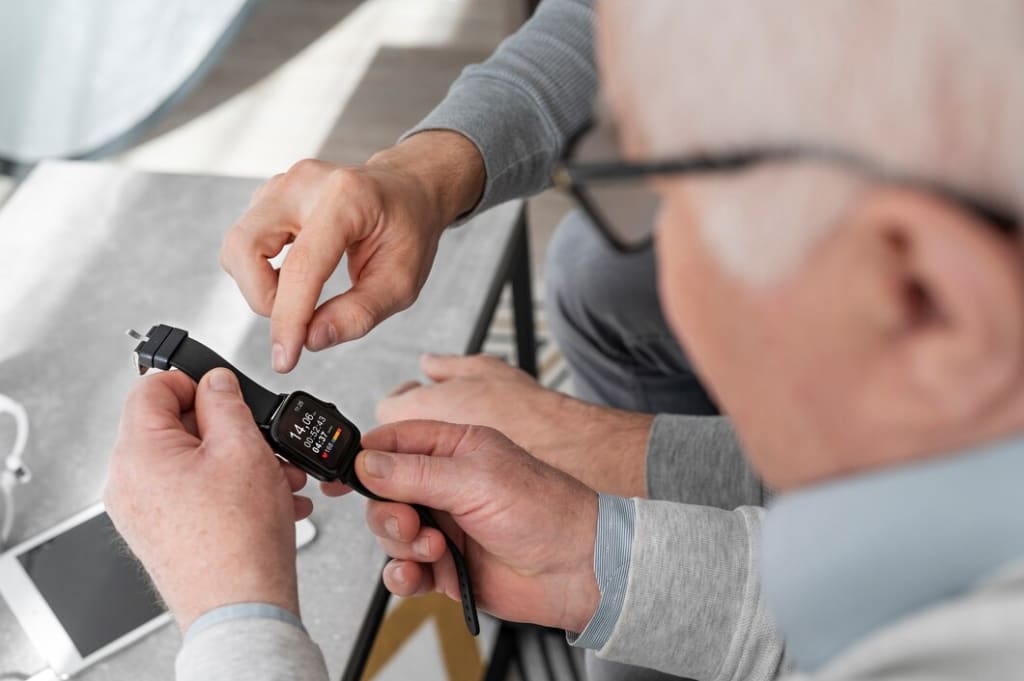
When our loved ones grow older, their independence, mobility, and activity may become more difficult. Assistive devices for seniors are extremely important in ensuring that they can carry on with a good quality of life and avoid any complications that may arise while living. Choosing the right assistive devices is not easy, but learning how to pick them properly means we can choose the best possible assistive devices for our elderly family members.
Why Assistive Devices Are So Important for Elderly People
Old age may usher in different physical and cognitive problems, including loss of mobility, diminishing eyesight, impaired hearing, and memory loss. Assistive devices for the elderly reduce these problems, making them safer and more independent, as well as lightening the load on caregivers. From basic devices such as grab bars to sophisticated mobility aids, assistive technology is continually being upgraded to cater to the needs of the elderly.
Assistive Devices Used by the Elderly
1. Mobility Aids
Limited mobility is widespread among older persons, and therefore assistive devices play a significant role in maintaining mobility and averting falls. The mobility aids listed below can greatly enhance the mobility of an elderly individual without needing assistance:
- Canes and Walking Sticks – Offer added support and stability while walking.
- Walkers and Rollators – Provide support and minimize the chance of falls with added features of seats and storage spaces.
- Wheelchairs and Scooters – Allow individuals with extreme mobility impairments to move about with ease, both indoors and outdoors.
- Stairlifts and Ramps – Enable seniors to safely climb stairs and reach various parts of their homes easily.
2. Daily Living Aids
Most seniors find it difficult to perform simple daily tasks like dressing, eating, and personal hygiene. Special assistive devices specifically made for these purposes can enhance their level of comfort and independence:
- Reachers and Grabbers – Assist in lifting objects without the need for bending or stretching.
- Dressing Aids – Feature such items as button hooks, zipper pulls, and shoehorns to aid clothing modifications.
- Adaptive Utensils – Have ergonomic handles and weighted grips to facilitate easy meals.
- Automatic Pill Dispensers – Help seniors take the correct medication at the correct time, minimizing the chance of forgotten doses or overdoses.
3. Bathroom Safety Equipment
One of the most dangerous places for older people is the bathroom, where there is the threat of slips and falls. The right assistive equipment can render the bathroom a safer place:
- Grab Bars and Handrails – They offer assistance to older people when standing or walking.
- Shower Chairs and Transfer Benches – They enable safe and comfortable sitting while showering or bathing.
- Raised Toilet Seats – They ease knee strain and back pain when using the toilet.
- Non-Slip Mats – Avoid slips on slippery bathroom floors.
4. Hearing and Vision Aids
Hearing and vision impairment can greatly affect an older person's ability to communicate and move around. Assistive devices in this group enable them to remain alert and aware:
- Hearing Aids – Make sounds louder and easier to understand.
- Alerting Devices – Flash lights or vibrate to alert them to doorbells, alarms, or phone calls.
- Magnifiers and Screen Readers – Assist reading books, newspapers, and on-screen content.
- Glare-Reducing Glasses – Enhance vision clarity in light conditions.
5. Cognitive and Communication Aids
Assistive technology can assist those with dementia or cognitive impairment in reminding them and aiding daily activities:
- Digital Clocks with Date and Time – Assist seniors to remember time and appointments.
- Voice-Activated Assistants – Provide hands-free reminders and information gathering.
- GPS Tracking Devices – Promote safety for seniors who are prone to wandering.
- Picture Phones and Large-Button Keypads – Streamline communication for individuals with memory or dexterity impairments.
How to Choose the Right Assistive Device
When choosing assistive devices for elderly loved ones, take these factors into account:
- Specific Needs – Evaluate the person's physical and cognitive strengths to decide what device will prove most helpful.
- Ease of Use – The product must be easy to use and involve minimal effort.
- Comfort and Fit – Provide proper fitting and adjustability for maximum comfort.
- Durability and Safety – Use high-quality products that give stable support.
- Cost and Insurance Coverage – Investigate if Medicare, Medicaid, or private insurance covers the cost of the product.
Where to Purchase Assistive Devices
Assistive devices can be found at a variety of sources, including:
- Medical Supply Stores – Provide professional advice and product demonstrations.
- Online Retailers – Offer a good variety of products with customer reviews.
- Pharmacies and Senior Care Centers – Usually stock basic assistive items.
- Government and Non-Profit Organizations – Free or low-cost assistive devices are available from some agencies for elderly persons in need.
Final Thoughts on Selecting Assistive Devices for Elderly Loved Ones
Investing in assistive equipment for aging family members can greatly improve their quality of life, increasing independence and minimizing safety hazards. By taking the time to evaluate their needs and investigate the options, we can enable our loved ones to live comfortably and retain their dignity. From a simple grab bar to a sophisticated mobility scooter, the appropriate assistive device can make the difference.
About the Creator
Shelia Bailey
Shelia Bailey is a dedicated and passionate writer whose diverse interests span health, technology, senior care, and children’s topics.
Keep reading
More stories from Shelia Bailey and writers in Families and other communities.
The Emotional and Physical Signs of Late-Stage Dementia
Dementia is a progressive neurological disorder that affects millions of individuals worldwide. As the condition advances into its late stages, both emotional and physical symptoms become more pronounced. Understanding these changes can help caregivers, family members, and healthcare providers offer the best possible care and support. Recognizing the 10 signs death is near dementia is crucial for preparing for the final stages and ensuring compassionate care.
By Shelia Bailey11 months ago in Families
Wise~Guys
— Look Behind what's in Front of You ~ Make Good Choices — Hey, So how you Doin'..! Made~Men — Mobster Movies romanticise a distinctive, elegant appearance, impeccable attire style, along with the 'Families' expressive lingo. Making their 'Bones' gave them Panache — with vintage fedoras, tailored pin-striped suits, mirror-polished wing-tip shoes adorned with tassels; with their 'Gun Moll' gorgeous dates on their arms.
By Jay Kantor18 days ago in Families




Comments
There are no comments for this story
Be the first to respond and start the conversation.