
Children Aren’t Born Rude — So Who’s Teaching Them?
When children act out, it’s often a reflection of what they’ve seen, felt, or lacked. This piece explores the hidden roots of rudeness—and how we can respond with empathy and structure.

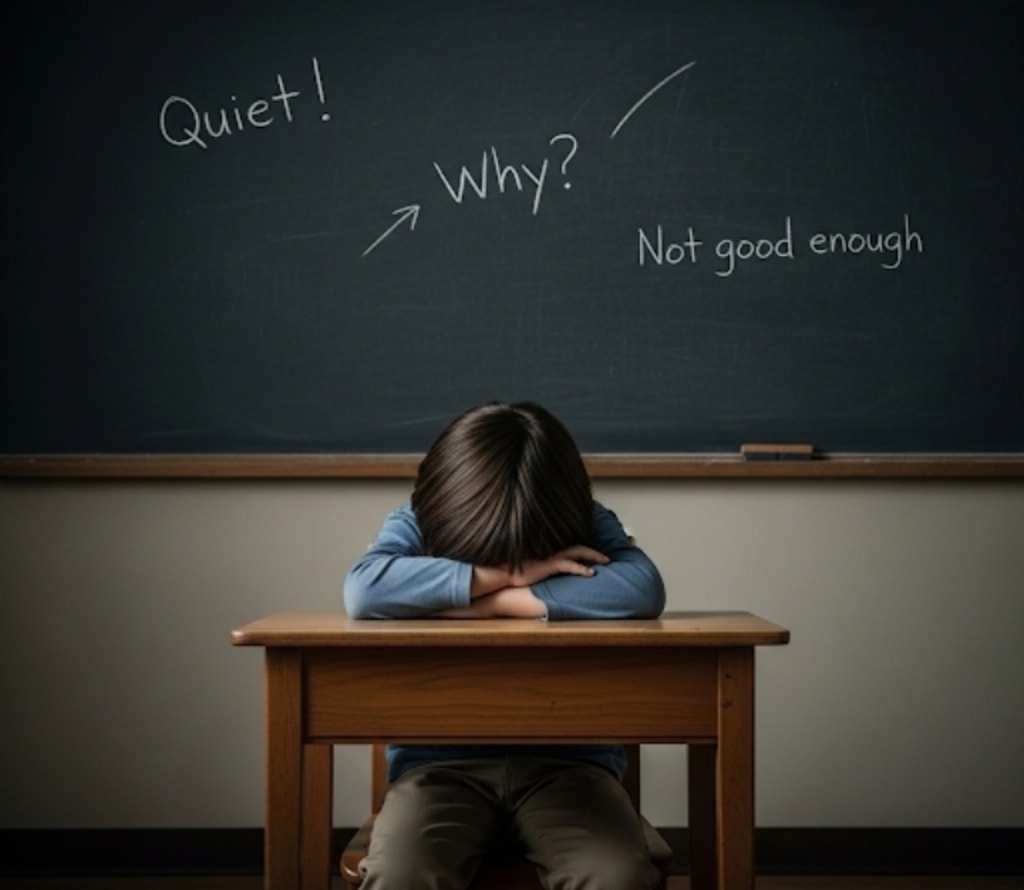
Children Aren’t Born Rude — So Who’s Teaching Them?
“He’s just so disrespectful these days.”
“She talks back at everyone — even her teacher!”
These are common complaints you’ll hear in school meetings, parenting forums, or even casual conversations among concerned adults. But have we paused to ask why children behave this way?
We’re witnessing a silent crisis—the rise of rudeness and rebellion among school-aged children. From disruptive classroom behavior to sarcastic tones and an apparent disregard for authority, many kids today seem to be teetering on the edge of defiance.
Shows like Adolescence on Netflix, or viral social media content that glorifies disrespectful attitudes, may appear to be just entertainment. But in reality, they reflect a deeper truth—a society that’s unsure how to raise emotionally healthy, respectful children in a chaotic world.
So let’s ask the real question: Are children becoming ruder, or are they reacting to a world that misunderstands them?
---
🎯 What Lies Beneath the Surface
We often treat bad behavior as the problem itself, when in fact, it's often a symptom of something else. Here are some of the key causes behind why children may be acting out more than ever before.
---
1. Tension Behind the Tantrums: The Need for Attention
Many children engage in loud, dramatic, or rude behavior simply to get noticed. Not all children receive emotional availability at home. In homes where parents are busy, distracted, or emotionally distant, a child may find that negative attention is better than no attention at all.
This isn’t manipulation. It’s a cry for connection.
---
2. The Echo of Home: Family Environment Shapes Behavior
A child raised in a home filled with yelling, criticism, or indifference is more likely to mirror those behaviors outside. If a child constantly hears aggressive language, disrespectful tone, or experiences emotional neglect, how can we expect them to be composed and kind?
Children don’t just learn from what we say—they absorb what we are.
---
3. The Digital Playground: Social Media and Meme Culture
From TikTok to YouTube, kids are immersed in a world where rudeness is “funny” and sarcasm is celebrated. Characters in popular media roll their eyes, talk back, and mock authority—earning likes, views, and followers. This creates a culture where being disrespectful is seen as clever, cool, or rebellious in a heroic way.
Unfortunately, children imitate what they admire—even if it’s toxic.
---
4. Lack of Boundaries: Weak School Discipline and Mixed Signals
If a school lacks a consistent and compassionate discipline system, children don’t feel secure or guided. Some teachers may be too strict, others too lenient—leaving children confused about what’s acceptable. When discipline feels like punishment, not support, it builds resistance rather than respect.
The absence of structure breeds chaos, not freedom.
---
5. Hidden Hurt: Mental Health and Emotional Strain
Not all rudeness is rebellion. Some of it is grief in disguise. Anxiety, depression, bullying, loneliness, low self-esteem—all these factors can make a child act out. When they don’t have the vocabulary to express their inner world, they express it through anger, sarcasm, or withdrawal.
---
✅ So, What Can We Do About It?
Children aren’t born rude. They are born with raw emotions and unmet needs, and how we respond to those needs shapes their character.
Let’s explore some practical and compassionate steps we can take to guide children back toward empathy, respect, and emotional balance.
---
1. Discipline with Dignity: Set Boundaries with Compassion
Discipline doesn’t mean punishment. It means direction. Children need to know what the limits are—but they also need to know why those limits matter. A classroom or home that balances structure with empathy gives children the safety to thrive and the space to grow.
Use language like, “I see you’re upset, but let’s talk about it calmly,” rather than “Stop being rude!”.
---
2. Train the Teachers: Emotional Intelligence for Educators
Teachers are often the first responders to behavioral issues—but many haven’t received training in child psychology, trauma response, or emotional regulation techniques.
Schools must invest in teacher development that goes beyond academics. A teacher who understands why a child is acting out is far better equipped to help than one who simply punishes.
---
3. Parents, Be Present Beyond Grades
Many parents only engage with their child’s life when it comes to academic performance. But a report card doesn’t reveal emotional struggles, online influences, or social pressures.
Talk to your children about their friends, digital habits, feelings, and fears. Listen without judgment. Respect earns respect.
---
4. Introduce School Counseling Programs
Every school should have trained counselors or child psychologists available—not just for crisis intervention, but for regular emotional check-ins. Sometimes, all a child needs is a safe adult who listens.
Counseling helps uncover the "why" behind the "what"—why is the child misbehaving? What are they not saying out loud?
---
5. Show Them Better: Positive Role Models Matter
Children are natural mimics. If they’re not given real-life heroes, they’ll find them in virtual worlds. Use books, movies, real stories, and personal examples to show children what kindness, bravery, patience, and honesty look like.
Talk to them about flawed but growing characters—those who make mistakes and learn. Let them know that empathy is strength, not weakness.
---
💬 Final Thoughts: The Responsibility We Share
A rude child is not a failed child. They are not “bad,” “spoiled,” or “ungrateful.” They are learning, hurting, exploring, reacting. And often, they’re simply reflecting what the world has shown them.
We can’t afford to dismiss bad behavior as just “kids these days.” We must lean in and ask:
What have they seen? What have they been denied? What are they trying to say?
Because at the end of the day, children don’t just grow up. They are raised—by homes, schools, screens, and society.
About the Creator
Muhammad Ilyas
Writer of words, seeker of stories. Here to share moments that matter and spark a little light along the way.
Keep reading
More stories from Muhammad Ilyas and writers in Families and other communities.
Wise~Guys
— Look Behind what's in Front of You ~ Make Good Choices — Hey, So how you Doin'..! Made~Men — Mobster Movies romanticise a distinctive, elegant appearance, impeccable attire style, along with the 'Families' expressive lingo. Making their 'Bones' gave them Panache — with vintage fedoras, tailored pin-striped suits, mirror-polished wing-tip shoes adorned with tassels; with their 'Gun Moll' gorgeous dates on their arms.
By Jay Kantor18 days ago in Families




Comments
There are no comments for this story
Be the first to respond and start the conversation.