
Caring Across Generations
The Blessings and Burdens of Caring for Parents in Filipino Society

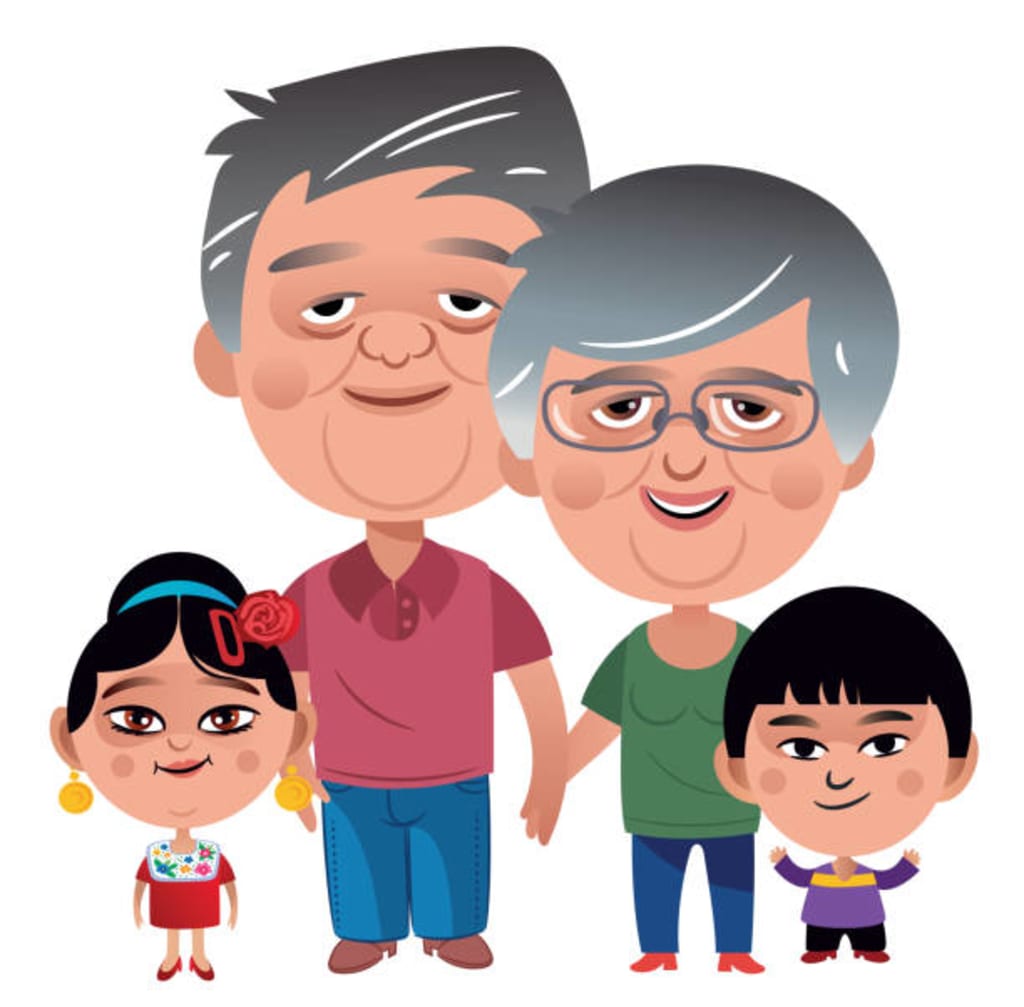
Filipino culture places a strong emphasis on familial bonds, particularly the responsibility of children to care for their parents as they age. This cultural value, known as filial piety, is deeply rooted in both tradition and social expectations.
Key Aspects of Filial Responsibility:
Strong Family Ties: Filipinos often have close-knit family structures, where extended family members are also considered part of the household. This interconnectedness fosters a sense of obligation to care for older relatives.
Respect and Honor: Elders are treated with great respect, and there’s a cultural belief that honoring one’s parents brings blessings. This respect is evident in the language used (e.g., po and opo) and in behaviors that demonstrate deference.
Financial Support: It’s common for children to support their parents financially, whether through direct contributions to household expenses or by covering medical bills. Many Filipinos prioritize their parents’ needs, sometimes even sacrificing personal goals.
Living Arrangements: It’s not unusual for adult children to live with their parents or for parents to move in with their children as they age. This arrangement allows for direct care and support, reinforcing family unity.
Cultural Celebrations and Rites: Family gatherings often emphasize honoring parents and elders. Events such as birthdays, anniversaries, and the traditional Bayanihan spirit highlight the community’s role in supporting families.
Religious Influences: Many Filipinos are religious, and faith often plays a role in how they view family obligations. Caring for parents is often seen as a moral duty endorsed by religious teachings.
Challenges:
While these responsibilities are deeply ingrained, they can also lead to stress and pressure on the younger generation, especially in urban areas where economic demands are high. Balancing personal aspirations with familial obligations can be a source of conflict.Positive Aspects:
Strong Family Bonds: The emphasis on caring for parents fosters deep familial relationships, creating a strong support system that can be relied upon in times of need.
Cultural Identity: These practices reinforce cultural identity and pride, as they are rooted in long-standing traditions and values that are passed down through generations.
Emotional Fulfillment: Many children find personal satisfaction and emotional fulfillment in caring for their parents, as it can strengthen their connection and provide a sense of purpose.
Community Support: The collective approach to familial care encourages a sense of community. Neighbors and extended family often rally together to support aging parents, embodying the Bayanihan spirit.
Moral Development: Fulfilling familial obligations instills values such as empathy, responsibility, and gratitude in younger generations, promoting personal growth.
Negative Aspects:
Emotional and Financial Burden: The pressure to provide care can lead to stress, anxiety, and financial strain on the younger generation, particularly if resources are limited.
Sacrifice of Personal Goals: Many children may postpone or abandon their personal aspirations—such as pursuing education or career opportunities—to meet their familial obligations.
Intergenerational Conflict: Differences in values or lifestyle choices between parents and children can lead to misunderstandings or conflicts, creating tension within the household.
Dependence Issues: In some cases, parents may become overly dependent on their children for care, which can stifle the children’s independence and growth.
Neglect of Self-Care: Caregivers may prioritize their parents' needs to the detriment of their own well-being, leading to burnout or health issues.
Conclusion:
The cultural obligation to care for parents in Filipino society carries both positive and negative implications. While it strengthens family ties and fosters a strong sense of community, it can also place significant burdens on younger generations. Striking a balance between familial obligations and personal well-being is essential for maintaining healthy relationships and individual fulfillment
About the Creator
Quince_Pepper
_"New to writing, looking to share stories and inspire others."
Keep reading
More stories from Quince_Pepper and writers in Families and other communities.
Wise~Guys
— Look Behind what's in Front of You ~ Make Good Choices — Hey, So how you Doin'..! Made~Men — Mobster Movies romanticise a distinctive, elegant appearance, impeccable attire style, along with the 'Families' expressive lingo. Making their 'Bones' gave them Panache — with vintage fedoras, tailored pin-striped suits, mirror-polished wing-tip shoes adorned with tassels; with their 'Gun Moll' gorgeous dates on their arms.
By Jay Kantor25 days ago in Families
The Portal of Creation:
Across ages and civilizations, the feminine principle has been revered not merely as a companion to creation, but as its very portal. The phrase “portal of creation” captures a truth whispered through myth, mysticism, and sacred geometry alike — that the universe expresses itself through a generative matrix, a womb of becoming. In this cosmology, creation is not a passive event but an eternal pulse flowing through the living body of the feminine.
By Living the Greatest CONSPIRACY Theory. By RG.7 days ago in Families
The Path to Salvation
The late autumn evening air filled the monk's lungs, but it wasn't the season that chilled his bones. The heavy-handed presence of evil he had sensed upon entering the woods surrounding this mountain village had not bothered to conceal itself from him.
By Made in DNA4 days ago in Fiction




Comments
There are no comments for this story
Be the first to respond and start the conversation.