
Beyond the Binary
Understanding Non-Binary Identities and the Importance of Inclusivity
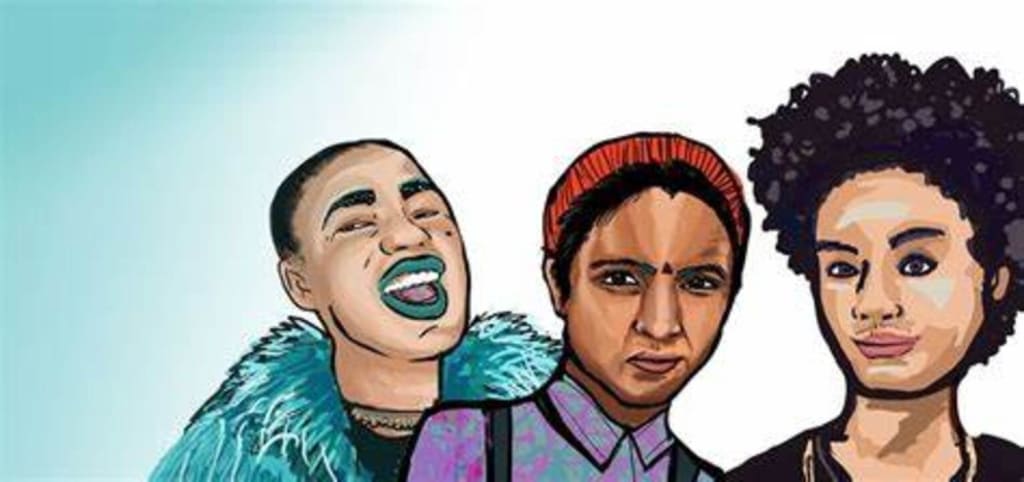
Traditional binary categories of male and female do not adequately describe gender identity for many people since it is a complex and multifaceted component of human identity. Non-binary identities, such as those of people who identify as genderfluid, genderqueer, or agender, among others, pose a challenge to conventionally accepted notions of gender, necessitating a greater awareness of gender variation.
In recent years, there has been an increase in non-binary identity knowledge and acceptance, as well as in the value of tolerance and support for those who identify in non-binary ways. To make sure that non-binary people are completely understood, appreciated, and supported in all facets of their lives, however, there is still more work to be done.
One interesting example of the importance of inclusivity for non-binary individuals can be seen in the realm of healthcare. Historically, healthcare providers have primarily worked with binary concepts of gender, with forms and medical protocols designed around male and female patients. However, for non-binary individuals, accessing healthcare can be a challenging and alienating experience.
Non-binary individuals may face difficulties in finding healthcare providers who are knowledgeable about non-binary identities and the specific healthcare needs of this population. Medical forms may not include non-binary options, leading to feelings of erasure and invisibility. Additionally, medical protocols and treatments may not take into account the unique healthcare needs and experiences of non-binary individuals.
In recent years, there has been a growing awareness of the importance of inclusivity and support for non-binary individuals in healthcare. Some healthcare providers are beginning to implement non-binary options in their forms and protocols, and are seeking out education and training on non-binary healthcare needs.
For example, in 2017, the American Medical Association adopted a policy supporting the inclusion of gender identity in medical education, with a focus on non-binary individuals. This represents an important step towards improving healthcare access and outcomes for non-binary individuals. By recognizing the diversity of gender identities and taking steps towards inclusivity and support, healthcare providers can help to create a more equitable and accessible healthcare system for all individuals, regardless of their gender identity.
Same-sex marriage is also known as gay marriage or LGBT marriage.
The first country to legalize same-sex marriage was the Netherlands in 2001.
As of May 2023, same-sex marriage is legal in 33 countries, including the United States, Canada, Australia, and most countries in Western Europe.
Same-sex marriage is still illegal in many countries, particularly in Africa, Asia, and the Middle East.
The legalization of same-sex marriage has been a contentious issue in many countries, with opponents arguing that it goes against traditional values and religious beliefs.
Supporters of same-sex marriage argue that it is a matter of equal rights and that all individuals should have the right to marry the person they love.
Same-sex couples who are married are entitled to the same legal rights and protections as opposite-sex couples, including inheritance rights, health care benefits, and tax benefits.
Same-sex marriage has been shown to have positive effects on the mental health and well-being of LGBT individuals, as it provides them with a sense of validation and social support.
Same-sex marriage has also been shown to have positive effects on society as a whole, as it promotes greater acceptance and tolerance of LGBT individuals.
Despite the legalization of same-sex marriage in many countries, discrimination and harassment of LGBT individuals still occurs in many parts of the world
CONCLUSION
understanding non-binary identities and the importance of inclusivity is crucial in creating a more equitable and inclusive society for all. Non-binary individuals challenge traditional binary concepts of gender and require a deeper understanding and recognition of gender diversity. Inclusivity and support are particularly important in areas such as healthcare, where historical binary concepts of gender can lead to difficulties for non-binary individuals. However, there has been progress towards inclusivity and acceptance of non-binary identities, with some healthcare providers implementing non-binary options in their forms and protocols. By recognizing the diversity of gender identities and taking steps towards inclusivity and support, we can create a more inclusive and equitable society for all gender identities.
About the Creator
Revolution
Are you prepared to view the world through new eyes? and also delve deeply into the culture and history of each destination, revealing the tales and traditions that make each place so distinctive.
Keep reading
More stories from Revolution and writers in Families and other communities.
Which gift is best for mother's day
When it comes to finding the perfect gift for a loved one, there are many options to consider. Whether it's for a birthday, anniversary, or special occasion, the right gift can show how much you care and appreciate them. In this article, we will be discussing three unique and thoughtful gift ideas that are sure to put a smile on anyone's face. These gifts include scented candles, a monogrammed gift tote bag for women, and a Nacome Solar Garden Outdoor Statues Turtle with Succulent and 7 LED Lights. Each gift is special in its own way and can be tailored to fit the interests and preferences of the recipient. So, whether you're looking for a romantic gift for your partner, a thoughtful present for your mom, or a unique gift for a friend, these options are sure to impress.
By Revolution3 years ago in Families
Christmas Abroad: Celebrating the Holidays Without Family
I moved to South Korea in 2017. I was twenty-two years old and excited to start my career as an English Second Language Teacher. With a Bachelor's degree and six hundred dollars in my bank account, I set off for Busan.
By Kera Hollowabout a month ago in Families



Comments
There are no comments for this story
Be the first to respond and start the conversation.