

Overview of Dettol:
Dettol, a renowned brand in the realm of hygiene and health, has established itself as a global leader in providing effective solutions to combat germs and bacteria. Developed and marketed by Reckitt Benckiser, Dettol has become synonymous with cleanliness, trusted by millions of households worldwide.
The brand's origins trace back to the late 1920s when Dettol Antiseptic Liquid was first introduced in hospitals to disinfect and prevent infections. Since then, Dettol has evolved and expanded its product line to address various hygiene needs, offering a comprehensive range of antiseptic liquids, soaps, surface disinfectants, hand sanitizers, and personal care products.
Dettol products are formulated with key active ingredients, notably chloroxylenol, which imparts potent antiseptic properties. The brand's commitment to research and innovation has led to the development of diverse formulations catering to different applications, from personal care to household disinfection.
The versatility of Dettol extends to its use in first aid for wound care, routine hand hygiene, laundry disinfection, and general surface cleaning. The brand's success can be attributed not only to its efficacy in germ-killing but also to its emphasis on user-friendly products that promote a healthier and safer environment.
As a trusted companion in promoting health and hygiene, Dettol has played a pivotal role in preventing the spread of diseases and infections. The brand's impact on public health is substantial, making it a household staple and a go-to choice for individuals and families alike.
In this overview, we will explore the history, product range, active ingredients, uses, and the overall influence of Dettol on health and hygiene. Join us in unraveling the story of a brand that has transcended time and geographical boundaries in its mission to foster a cleaner and healthier world.
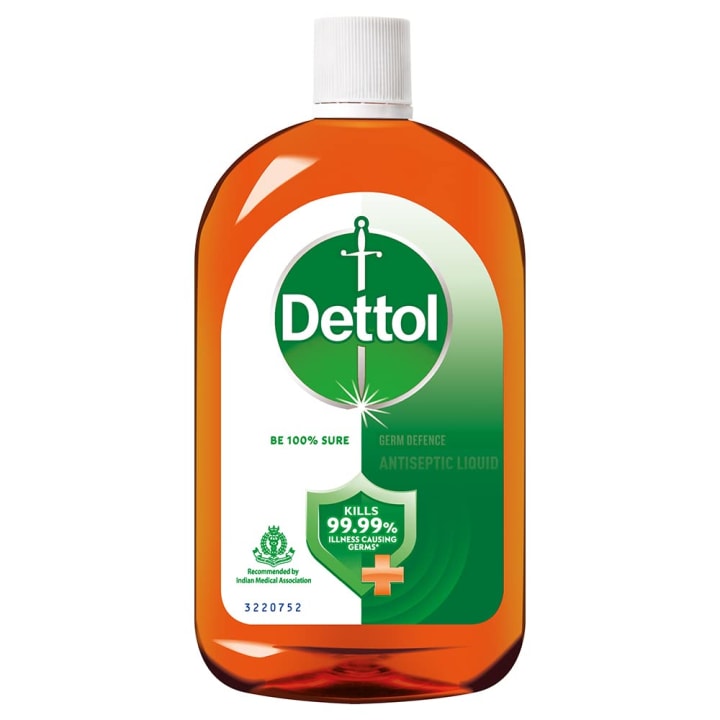
Title: The Comprehensive Guide to Dettol: Unveiling its History, Uses, and Impact on Health
I. Introduction
A. Brief overview of Dettol as a popular disinfectant brand
B. Importance of hygiene and cleanliness in daily life
C. Purpose of the article: to explore the history, uses, and impact of Dettol on health
II. Historical Background
A. Founding of Dettol and its parent company, Reckitt Benckiser
B. Evolution of Dettol products over the years
C. Key milestones in the brand's history
III. Dettol Product Range
A. Overview of Dettol's diverse product portfolio
1. Antiseptic liquids and soaps
2. Surface disinfectants and cleaners
3. Hand sanitizers
4. Personal care products (body wash, hand wash, etc.)
IV. Active Ingredients and Formulation
A. Examination of key active ingredients in Dettol products
1. Chloroxylenol: The primary antiseptic agent
2. Other supporting agents for enhanced efficacy
B. Understanding the science behind Dettol's germ-killing properties
V. Uses and Applications
A. Household disinfection
1. Cleaning and sanitizing surfaces
2. Laundry disinfection
B. Personal hygiene
1. First aid and wound care
2. Hand hygiene and bathing
VI. Health Impact
A. Prevention of infections and illnesses
B. Role in controlling the spread of contagious diseases
C. Expert opinions on the efficacy and safety of Dettol products
VII. Challenges and Controversies
A. Potential misuse and overreliance on disinfectants
B. Controversies surrounding certain ingredients
C. Balanced perspective on the use of Dettol in daily life
VIII. Environmental Considerations
A. Examination of Dettol's environmental impact
B. Sustainable practices and eco-friendly alternatives
IX. Consumer Tips and Guidelines
A. Proper usage and dilution guidelines
B. Safety precautions for different Dettol products
C. Recommendations from health professionals
X. Future Innovations
A. Exploration of ongoing research and development in the field of hygiene
B. Potential advancements in Dettol's product offerings
XI. Conclusion
A. Recap of key points discussed in the article
B. Emphasis on the importance of hygiene and responsible use of disinfectants
C. Closing thoughts on the enduring legacy of Dettol in promoting health and cleanliness.
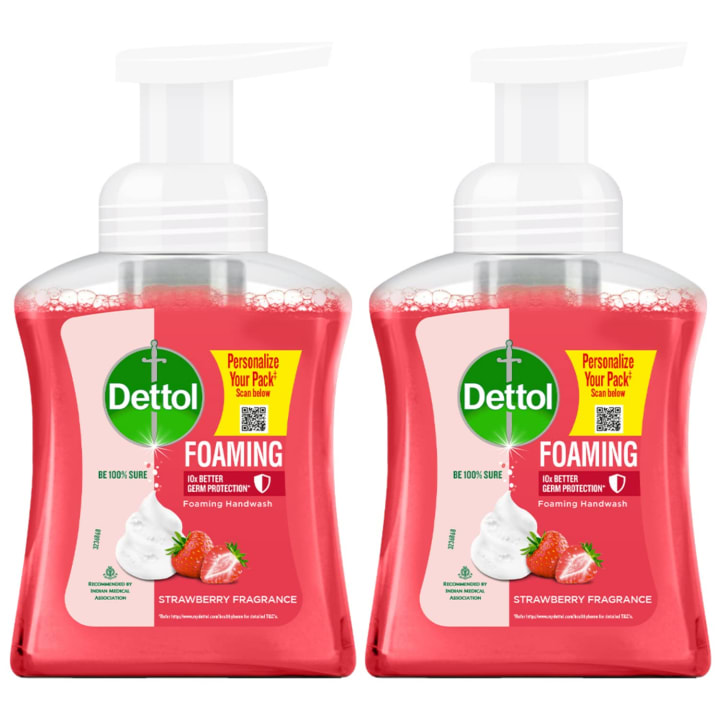
Overview of Dettol:
Dettol, a renowned brand in the realm of hygiene and health, has established itself as a global leader in providing effective solutions to combat germs and bacteria. Developed and marketed by Reckitt Benckiser, Dettol has become synonymous with cleanliness, trusted by millions of households worldwide.
The brand's origins trace back to the late 1920s when Dettol Antiseptic Liquid was first introduced in hospitals to disinfect and prevent infections. Since then, Dettol has evolved and expanded its product line to address various hygiene needs, offering a comprehensive range of antiseptic liquids, soaps, surface disinfectants, hand sanitizers, and personal care products.
Dettol products are formulated with key active ingredients, notably chloroxylenol, which imparts potent antiseptic properties. The brand's commitment to research and innovation has led to the development of diverse formulations catering to different applications, from personal care to household disinfection.
The versatility of Dettol extends to its use in first aid for wound care, routine hand hygiene, laundry disinfection, and general surface cleaning. The brand's success can be attributed not only to its efficacy in germ-killing but also to its emphasis on user-friendly products that promote a healthier and safer environment.
As a trusted companion in promoting health and hygiene, Dettol has played a pivotal role in preventing the spread of diseases and infections. The brand's impact on public health is substantial, making it a household staple and a go-to choice for individuals and families alike.
In this overview, we will explore the history, product range, active ingredients, uses, and the overall influence of Dettol on health and hygiene. Join us in unraveling the story of a brand that has transcended time and geographical boundaries in its mission to foster a cleaner and healthier world.
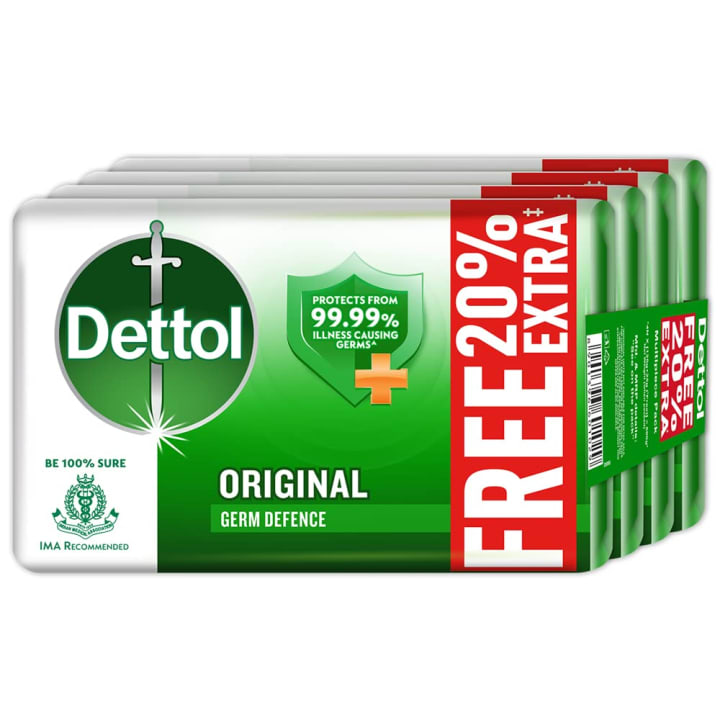
Conclusion:
In conclusion, Dettol stands as an unwavering sentinel in the ongoing battle against unseen adversaries, reinforcing the importance of hygiene and health in our daily lives. From its inception in hospitals to its ubiquitous presence in households globally, Dettol has not merely been a brand but a steadfast companion in our pursuit of well-being.
The diverse product portfolio, ranging from antiseptic liquids and soaps to surface disinfectants and hand sanitizers, underscores Dettol's commitment to providing effective solutions for various hygiene needs. The brand's evolution over the years, marked by continuous research and innovation, showcases a dedication to staying at the forefront of germ-fighting technology.
Central to Dettol's efficacy are its meticulously formulated products, anchored by active ingredients like chloroxylenol, which play a pivotal role in safeguarding against the spread of infections. The brand's impact on health is palpable, extending beyond mere cleanliness to become an integral part of preventive healthcare practices.
However, as with any household name, Dettol is not without its challenges and controversies, including concerns over potential misuse and environmental impact. Acknowledging these aspects, it becomes imperative for users to adopt a balanced approach, utilizing Dettol products responsibly and in accordance with recommended guidelines.
As we reflect on the enduring legacy of Dettol, it is evident that the brand has not only played a crucial role in individual well-being but has contributed significantly to public health on a global scale. Moving forward, as innovations continue and societal perspectives evolve, Dettol remains poised to adapt, ensuring its continued relevance as a beacon of hygiene in an ever-changing world.
In essence, Dettol's story is one of resilience, adaptability, and a steadfast commitment to the health and safety of generations past, present, and those yet to come. As we close the chapter on our exploration of Dettol, we do so with a heightened appreciation for the brand's enduring impact on the cleanliness and health of our world.
About the Creator
Keep reading
More stories from writers in Families and other communities.
Wise~Guys
— Look Behind what's in Front of You ~ Make Good Choices — Hey, So how you Doin'..! Made~Men — Mobster Movies romanticise a distinctive, elegant appearance, impeccable attire style, along with the 'Families' expressive lingo. Making their 'Bones' gave them Panache — with vintage fedoras, tailored pin-striped suits, mirror-polished wing-tip shoes adorned with tassels; with their 'Gun Moll' gorgeous dates on their arms.
By Jay Kantor29 days ago in Families




Comments
There are no comments for this story
Be the first to respond and start the conversation.