
Behaviors of People Who Experienced Mental Abuse from Narcissists
The worst thing...


Mental abuse inflicted by narcissists can leave deep scars on individuals, manifesting in various detrimental behaviors. Recognizing these behaviors is crucial in offering support and intervention to those who have endured such trauma. Here are ten behaviors to watch for in individuals who have experienced mental abuse from narcissists:
1. Over Compliance
Victims may exhibit excessive compliance, saying yes to demands even when it's detrimental to their well-being.
Fear of rejection or retaliation from the narcissist often drives this behavior, leading to self-neglect and boundary violations.
2. Anxiety and Depression
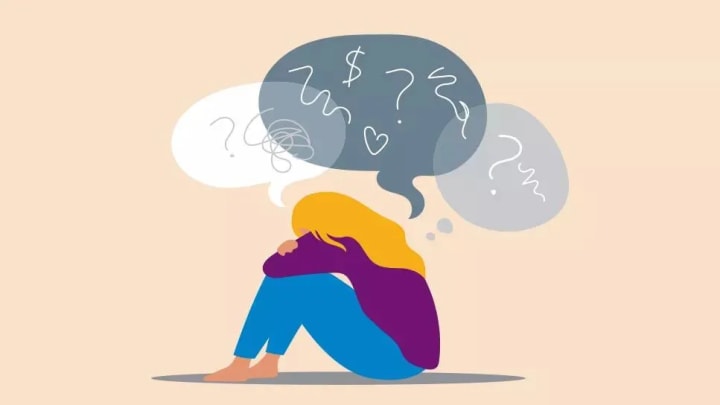
Anxiety vs. Depression: Telling the Difference
Anxiety vs. Depression: Telling the Difference
Mental abuse, whether subtle or overt, can have profound effects on individuals, often leading to persistent anxiety and depression. Understanding the nuances between these two conditions is crucial for identifying and addressing them effectively.
Anxiety: The Constant Anticipation
Anxiety is characterized by persistent worry, fear, and apprehension about future events or situations. For victims of mental abuse, anxiety becomes a constant companion, manifesting as a heightened sense of alertness and dread. They may find themselves always on edge, anticipating further abuse or manipulation. Simple tasks or decisions can become overwhelming, as they fear making mistakes that could lead to repercussions.
Physically, anxiety often presents with symptoms such as rapid heartbeat, sweating, trembling, and difficulty concentrating. Sleep disturbances are common, with many experiencing insomnia or restless sleep due to racing thoughts.
Depression: Feelings of Hopelessness
Depression, on the other hand, is marked by feelings of sadness, emptiness, and despair. Victims of mental abuse may internalize negative beliefs about themselves, their worth, and their future. They may feel trapped in their circumstances, unable to see a way out or a future beyond their current pain.
The emotional toll of depression includes loss of interest in activities once enjoyed, withdrawal from social interactions, and a pervasive sense of hopelessness. Energy levels often plummet, leaving individuals feeling fatigued even after minimal exertion. Guilt and self-blame can also weigh heavily on their minds, as they struggle to understand why they are not able to cope better with their situation.
Overlap and Interplay
It’s important to note that anxiety and depression often coexist, and one can exacerbate the other. For instance, chronic anxiety can drain an individual’s energy and resilience, leading to a sense of helplessness that contributes to depression. Conversely, the overwhelming sadness of depression can paralyze individuals with fear and worry about their future, intensifying their anxiety.
Seeking Help and Support
Recognizing the signs of anxiety and depression in victims of mental abuse is crucial for offering appropriate support and intervention. Encouraging them to seek professional help from therapists or counselors trained in trauma and abuse recovery is essential. Therapy can provide a safe space for victims to process their experiences, develop coping strategies, and rebuild their sense of self-worth.
Support networks, such as friends, family, or support groups, play a vital role in the healing journey. Providing empathetic listening, validation of their experiences, and practical assistance can help victims feel less isolated and more empowered to take steps towards recovery.
3. Lack of Self-Control
Victims may experience a loss of self-control, struggling to regulate their emotions, desires, and impulses.
This lack of restraint can lead to impulsive behavior and difficulty in managing stressors effectively.
4. Pessimism
Individuals who have endured mental abuse may develop a pessimistic outlook on life, expecting the worst in all situations.
They may doubt their abilities and perceive themselves as unworthy of success or happiness.
5. Sudden Loss of Interest
Victims may lose interest in activities they once enjoyed, experiencing a lack of motivation and fulfillment.
This disengagement can stem from a sense of hopelessness and a belief that their efforts will inevitably lead to disappointment.
6. Lack of Self-Confidence
Mental abuse erodes self-confidence, leaving victims feeling weak, inferior, and vulnerable.
They may fear judgment or criticism from others, perpetuating a cycle of self-doubt and self-criticism.
7. Recklessness
Victims may engage in reckless behavior as a coping mechanism, seeking relief from the emotional turmoil caused by abuse.
This impulsivity can manifest in decisions that jeopardize their well-being and safety.
8. Irrational Thinking
Mental abuse distorts victims' perceptions, leading to irrational thoughts and beliefs.
They may exhibit hypersensitivity and exaggerated emotional responses, driven by a skewed sense of reality imposed by the narcissist.
9. Spitefulness
Victims may harbor feelings of resentment and seek revenge against their abusers.
The desire to reclaim power and dignity drives this spiteful behavior, as victims yearn for justice and validation of their experiences.
10. Unsettled Behavior
Victims may display unsettled behavior, manifesting as restlessness, fidgeting, and difficulty in focusing.
Negative thoughts and anxiety may overwhelm them, leading to physical manifestations of distress such as nail-biting and fidgeting.
Understanding these behaviors is essential in providing support and empathy to individuals who have experienced mental abuse from narcissists. By validating their experiences and offering resources for healing and recovery, we can empower survivors to reclaim their sense of self-worth and rebuild their lives free from the shadow of abuse.
If you or someone you know is experiencing mental abuse, seek support from trusted friends, family members, or mental health professionals. Remember, you are not alone, and there is help available.
About the Creator
Jenny Watson
"Defeat death with a legacy of goodness."
Keep reading
More stories from Jenny Watson and writers in Families and other communities.
Life Truly Begins at 40, Up until then, you are just...
We were born at a given moment in a given place and, like vintage years of wine, we have the qualities of the year and season in which we are born. The healthy man does not torture others; generally, it is the tortured who turn into torturers. Until you make the unconscious conscious, it will direct your life, and you will call it fate. A man who has not passed through the inferno of his passions has never overcome them.
By Jenny Watson 2 years ago in Motivation
The 777 Rule for Healthy Marriages Why Every Couple Needs
My husband set a reminder on his phone. Tuesday, 7 PM: "Date night." I wanted to throw the phone at him. We'd been married eight years. Two kids. A mortgage that made me nauseous every month. And now my husband was treating me like a dentist appointment? Something to schedule, check off, forget?
By Understandshe.coma day ago in Families
They Agreed on the Finances - Until the House Became a Problem
She remembers the relief more than anything else. The separation had been emotional, but civil. Conversations stayed calm. They both wanted the same thing, to move on without dragging things through court.
By Family Law Service6 days ago in Families




Comments (1)
Thank you for the interesting and delicious content. Follow my stories now.