
Becoming a Father: What is Paternal and Parental Engagement?
Fatherhood and Engagement


Fatherly involvement, like parental involvement, is defined as the ongoing involvement and concern of a father or parent in the development and physical, psychological, and social well-being of their child. This involvement is possible whether the father or parent is biological, adoptive, separated, or a stepparent.
There are numerous methods through which parents can interact with their children. Here are the main aspects of parental engagement:
> Taking care of your little one by actively participating in the care and tasks related to their well-being;
> Being interactive, accessible and available to your child, spending time with them;
> Showing love and affection through gestures and words;
> Participate in education and activities related to the development of their child;
> Contribute to the financial and material support of one's child;
> Thinking about your child and talking about him when you are not with him;
> Seek a collaborative relationship with the other parent for the child's well-being;
> Get involved in your community for the well-being of your little one.
These dimensions don't all need to be present for a father or parent to be engaged. For instance, certain fathers exhibit greater affection or engage in play with their toddlers more frequently than other toddlers. Each parent exercises their role in their own way. However, these facets demonstrate that there are many ways to participate in your child's life and ensure their well-being
The Benefits of Father Involvement
In recent years, several studies have been conducted with fathers to demonstrate that father involvement brings many benefits to both the child and the family. Here are the main benefits of father involvement:
• Promotes the child's physical health
When the partner is involved from the outset of pregnancy, the mother-to-be receives better prenatal and postnatal care. Early involvement from the father-to-be also encourages the pregnant woman to adopt better lifestyle habits during pregnancy, such as stopping alcohol or smoking.
• Encourages breastfeeding
Studies have shown that the presence and support of the father encourages the mother to breastfeed and to do so longer.
• Promotes attachment
When a father responds quickly and consistently to his child's signs of distress or discomfort, he helps create a strong bond with his little one. This is done, for example, when a father picks up, comforts, or rocks his crying baby, contributes positively to the cognitive development of children.
Studies of children aged 2 to 5 show that those with a present and involved father have above-average cognitive development. For example, when they start school, children with an involved father demonstrate better problem-solving skills.
• Promotes children's language development
Fathers frequently engage in more challenging conversations with their children, often employing a more sophisticated vocabulary. In addition, they may not always understand their toddler the first time. This forces children to develop better pronunciation and precise vocabulary.
• Develops the child's autonomy and adaptability
When playing with their children, fathers tend to give them less chance and favor battle games. Some sometimes use toys in unconventional ways. In addition, fathers generally provide less support when their toddler completes a task. These behaviors promote the child's autonomy and adaptability, in addition to improving their tolerance to stress and frustration. Physical play also teaches them to better control their movements and emotions.
• Encourages children to take more risks

Fathers are more likely to encourage their children to take initiative, venture out, and overcome obstacles in new situations. This risk-taking allows toddlers to test their limits, learn about their abilities, and develop their confidence. It also encourages their openness to the world.
• Improves mental health
Children who have an involved father would show fewer signs of depression, anxiety, psychological distress and negative emotions.
• Promotes good social skills
Children who have an involved father are more likely to have positive relationships with their siblings, as well as with other children and adults. They may also be better protected against bullying.
• Preserves the mother's psychological well-being
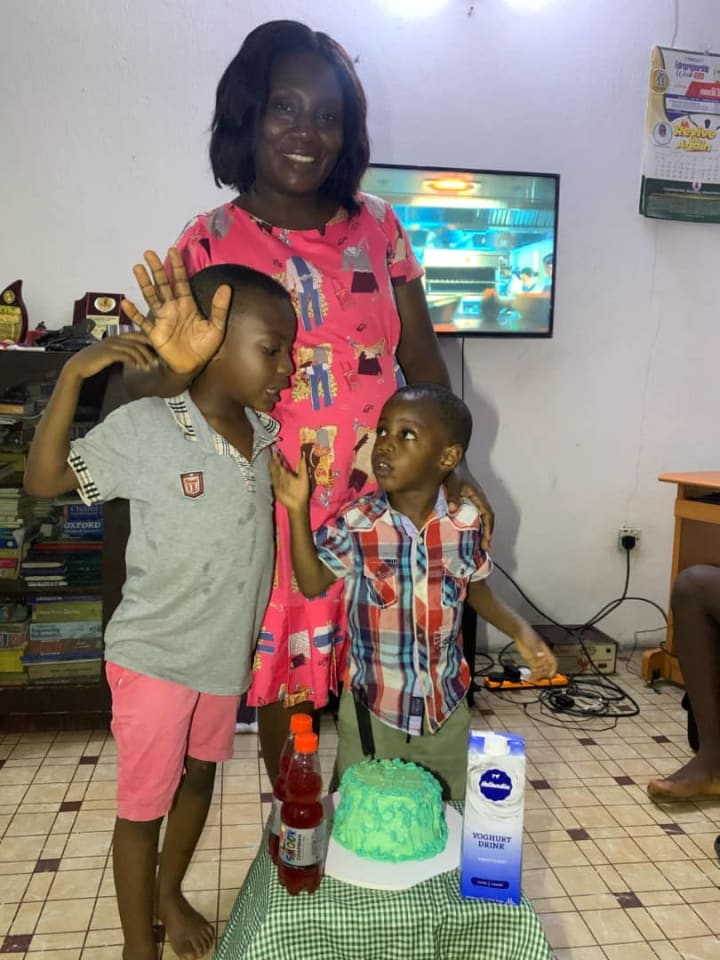
Mothers who have the support of their partners show fewer symptoms of stress and depression. They report greater satisfaction with their relationship. Mothers who are supported and encouraged by their partners also tend to be more patient, sensitive, and available with their children.
• Helps improve the sharing of household chores
Fathers who care for their children tend to be more involved in household chores.
• Supports the father's personal and professional life
Involved fathers typically experience greater confidence and efficacy in their parenting responsibilities. Additionally, they tend to have higher satisfaction levels in their relationships. Furthermore, the happy moments experienced during fatherhood can lessen the impact of challenges encountered at work.
About the Creator
Keep reading
More stories from Uchenna Cosmas Nwokafor and writers in Families and other communities.
Tips for Becoming a Present and Engaged Dad
The best way to adjust to the arrival of a child and engage with them is to play an active role from the time of pregnancy and birth. Here are some ways you can be involved in your role as a father and foster your relationship with your child:
By Uchenna Cosmas Nwokafor 8 months ago in Families
Wise~Guys
— Look Behind what's in Front of You ~ Make Good Choices — Hey, So how you Doin'..! Made~Men — Mobster Movies romanticise a distinctive, elegant appearance, impeccable attire style, along with the 'Families' expressive lingo. Making their 'Bones' gave them Panache — with vintage fedoras, tailored pin-striped suits, mirror-polished wing-tip shoes adorned with tassels; with their 'Gun Moll' gorgeous dates on their arms.
By Jay Kantor19 days ago in Families
Wild Card Weekend Recap: What Happens Now?
I think I figured out why I love Wild Card Weekend so much. It's because it's the first playoff anything of the calendar year. The NFL season starts in the fall, and once upon a time, the champion was crowned either on or slightly before New Year's. The evolution of the NFL schedule has resulted in the playoffs starting just into the New Year, and currently, the final week of the season falls on the first weekend of the New Year, with Wild Card Weekend coming a week after that. So yes, chronologically, the NFL's Wild Card Weekend serves as the first playoff anything of the calendar year.
By Clyde E. Dawkins7 days ago in Unbalanced




Comments (1)
You've covered a lot about fatherly involvement. I've seen firsthand how it benefits kids. Like when I was hands-on with my kids' activities, it made a real difference in their development.