
ADHD and Autism awareness
here are some tips and guidelines for parents and caregivers on how to improve children's behavior for ADHD and autism at school and at home:


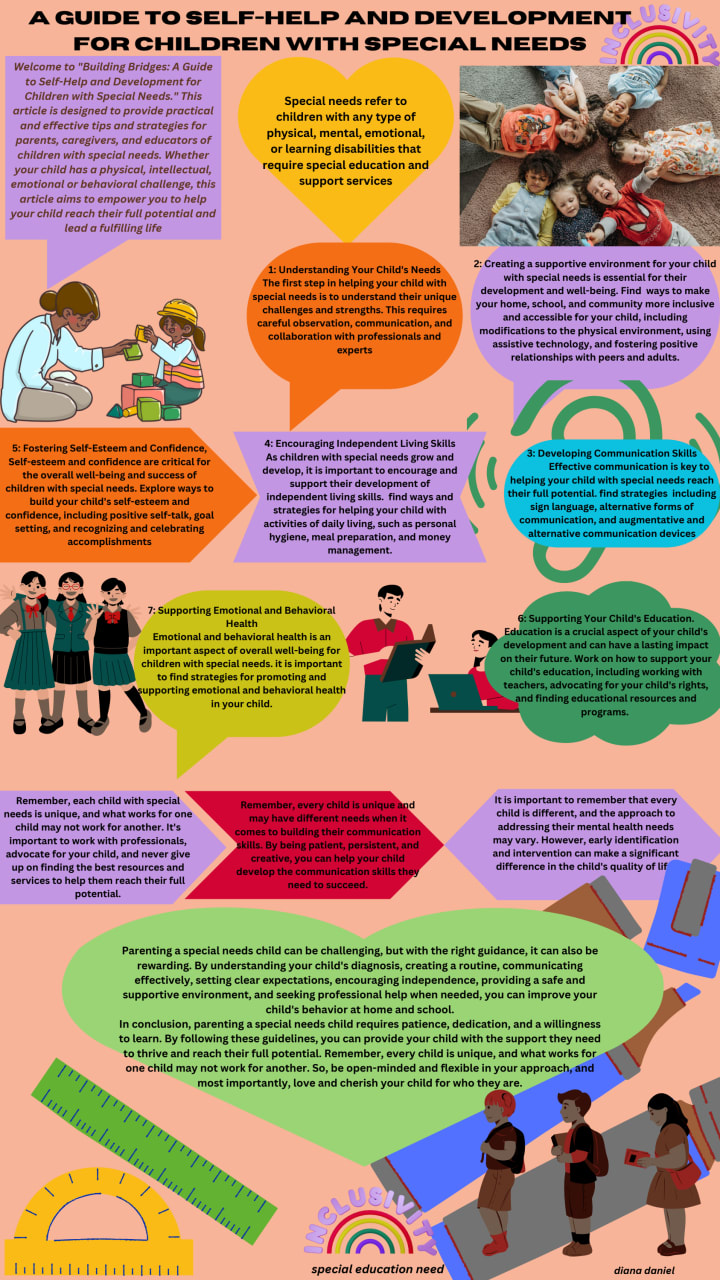
ADHD stands for Attention Deficit Hyperactivity Disorder. It is a neurodevelopmental disorder that affects the brain's ability to regulate attention, impulsivity, and activity levels. Children with ADHD often have difficulty staying focused on tasks, following instructions, and controlling impulsive behavior. They may also have trouble with organization, time management, and completing tasks. ADHD can affect a child's academic performance, social interactions, and overall quality of life. Treatment for ADHD typically includes medication, behavioral therapy, and educational support.
Autism, on the other hand, is a spectrum disorder that affects communication, social interaction, and behavior. It is a neurodevelopmental disorder that affects the way the brain processes information. Children with autism may have difficulty with social interactions, communication, and repetitive behaviors or routines. They may also have sensory processing issues, meaning that they may be more sensitive or less sensitive to certain stimuli like touch, sounds, or smells. Autism can range from mild to severe and can affect a child's academic performance, social interactions, and overall quality of life. Treatment for autism typically includes behavioral therapy, educational support, and sometimes medication.
Both ADHD and autism are complex disorders that can impact a child's life in significant ways. It is important to seek professional help if you suspect your child may have one of these disorders. Early diagnosis and treatment can improve outcomes and help children manage their symptoms more effectively. Additionally, it is important to approach children with ADHD and autism with patience, understanding, and support to help them reach their full potential.
Here are some tips and guidelines for parents and caregivers on how to improve children's behavior for ADHD and autism at school and at home:
Develop a routine: Establishing a routine can be beneficial for children with ADHD and autism. Having a consistent daily schedule helps them know what to expect, and it can reduce stress and anxiety. Make sure the routine includes enough time for rest, exercise, and play.
Positive reinforcement: Instead of punishing the child for unwanted behavior, try to reward good behavior. Positive reinforcement is a powerful tool that can help children feel motivated to continue behaving well. Praising good behavior, offering small rewards, or providing special privileges can encourage children to continue positive behaviors.
Set clear expectations: Children with ADHD and autism may have difficulty understanding what is expected of them. Therefore, it is important to set clear expectations and explain them in a way that the child can understand. Use simple and straightforward language, and provide specific examples of what behavior is expected in different situations.
Consistency: Consistency is key when it comes to managing ADHD and autism in children. It is essential to maintain consistency in routines, expectations, and consequences. This will help children feel secure and comfortable, and it will also help them learn how to behave appropriately in different situations.
Break tasks into smaller parts: Children with ADHD and autism may struggle with completing tasks that involve multiple steps. Breaking the task into smaller, more manageable parts can help them stay focused and avoid feeling overwhelmed.
Create a calm environment: A calm and organized environment can be helpful for children with ADHD and autism. Reduce distractions, provide a quiet space for homework or reading, and create a calming atmosphere through lighting, music, or other sensory aids.
Develop social skills: Children with ADHD and autism may have difficulty with social interactions, so it is important to provide opportunities to develop social skills. Encourage them to interact with others, participate in group activities, and practice communication skills.
Use technology: There are many apps and tools available that can help children with ADHD and autism improve their behavior. For example, apps that provide visual schedules, timers, or reminders can help children stay on track and manage their time more effectively.
Seek professional help: Finally, it is important to seek professional help if needed. Talk to your child's doctor or a therapist if you are concerned about their behavior. They may recommend additional strategies or therapies that can help your child manage their symptoms and improve their behavior.
By following these tips and guidelines, parents and caregivers can help children with ADHD and autism improve their behavior at school and at home. Remember, every child is different, and it may take time to find the strategies that work best for your child. Be patient, stay positive, and seek support when needed.
About the Creator
Diana Wenceslaus
JUST IMAGINE
Keep reading
More stories from Diana Wenceslaus and writers in Families and other communities.
How Green Tea Can Help You Lose Belly Fat
Introduction to Green Tea and Its Weight Loss Benefits Green tea has been used for centuries in traditional Chinese medicine as a natural remedy for various ailments. In recent years, its health benefits have been further explored and its weight loss properties have been widely studied. Green tea has been linked to increased metabolism, increased fat burning, and reduced appetite. In addition, the antioxidants and polyphenols found in green tea can help reduce inflammation and improve overall health.
By Diana Wenceslaus3 years ago in Lifehack
The Chair That Stayed Empty
story There was always one chair in the house that no one sat in. It was near the window, at a small slant, and it caught the afternoon light. The cushion had sunk in the middle since it had been used for so long. Ammi would straighten it every night, even though no one sat there anymore.
By abualyaanart4 days ago in Families




Comments
There are no comments for this story
Be the first to respond and start the conversation.