
Acupuncture: What To Know Before You Go
Acupuncture: What To Know Before You Go

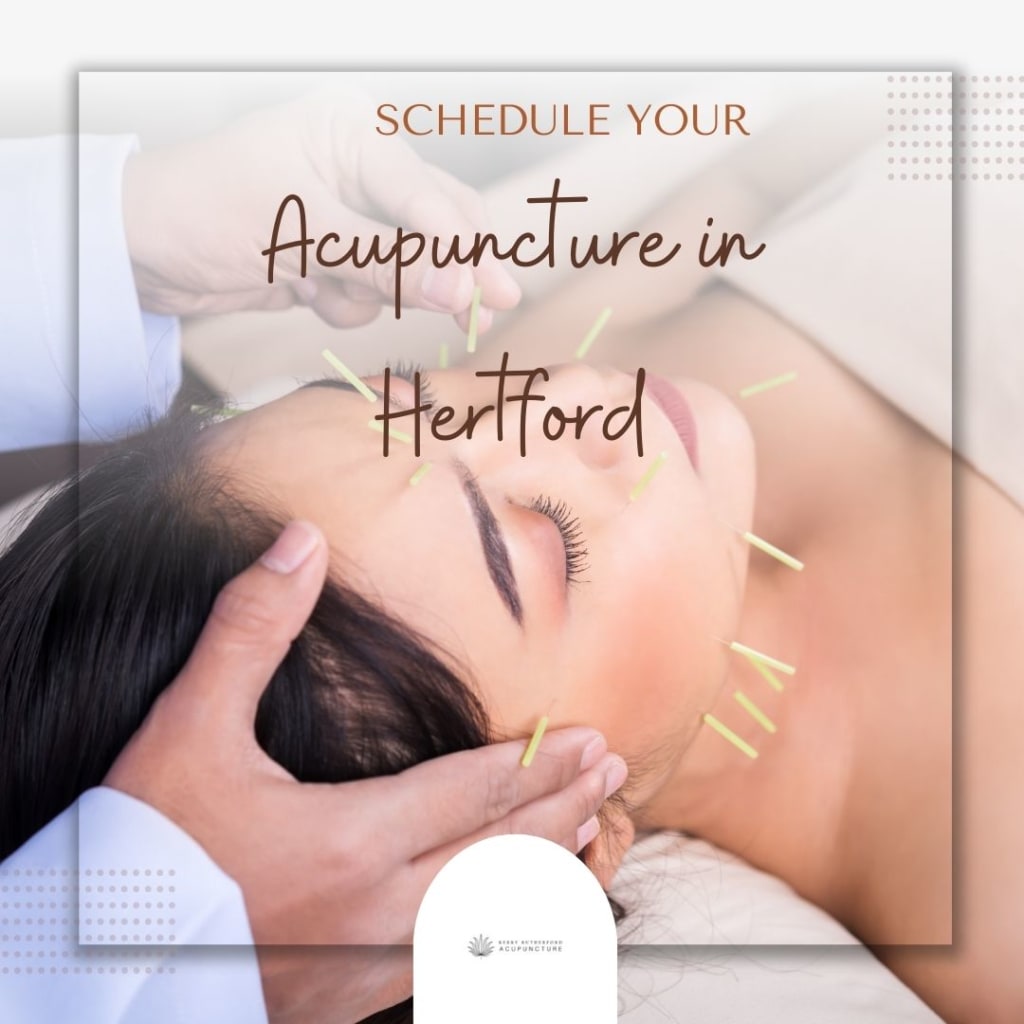
Acupuncture has gained popularity worldwide as a holistic treatment for various health concerns, from chronic pain and stress relief to specific health issues like acupuncture for fertility. If you’re considering acupuncture for the first time, it’s natural to have questions about what to expect and how it might benefit your health. Here, we explore everything you need to know before visiting an acupuncturist, including how it works, the science behind it, and what a session entails.
1. Understanding Acupuncture: How Does It Work?
Acupuncture is a traditional Chinese medicine (TCM) practice that has been used for thousands of years. The foundation of acupuncture lies in the concept of Qi (pronounced "chee"), which refers to the body’s life energy. According to TCM, Qi flows through pathways called meridians, and any blockage or imbalance in these pathways can lead to physical or emotional ailments. Acupuncture aims to restore the flow of Qi by inserting thin, sterile needles into specific points on the body, helping balance the body’s energy, relieve discomfort, and promote healing.
Modern science has explored the effectiveness of acupuncture, suggesting that it may stimulate the nervous system, promote blood flow, and release endorphins—natural painkillers that improve overall wellbeing. Many people use acupuncture alongside conventional treatments, particularly for conditions that require a natural, drug-free approach.
2. The Benefits of Acupuncture
Acupuncture is known for addressing various health issues, and it’s especially valued as a complementary therapy. Here are some of the most commonly sought benefits:
Pain Relief
Acupuncture is widely recognised for its pain-relieving properties, often used to manage chronic conditions like back pain, arthritis, and migraines. Many patients experience significant improvements in pain levels with regular sessions.
Stress and Anxiety Reduction
As acupuncture encourages relaxation and rebalances Qi, it’s often used to reduce stress and anxiety. The treatment can promote a sense of calm, helping the body regulate its stress response and improve mood.
Acupuncture for Fertility
One of the most popular reasons people seek acupuncture is for fertility support. Acupuncture for fertility focuses on balancing hormones, improving blood flow to the reproductive organs, and reducing stress, which can positively impact the chances of conception. Research has shown that acupuncture may improve outcomes for those undergoing assisted reproductive treatments (ART), such as IVF. Many acupuncturists specialise in fertility acupuncture, tailoring treatment plans specifically for reproductive health.
Enhanced Immunity
Acupuncture may boost the immune system by promoting better blood flow and helping the body manage stress more effectively. It’s a preventive approach for those looking to strengthen their body’s defences naturally.
3. Preparing for Your First Acupuncture Session
If you’re new to acupuncture, here are some essential tips to ensure you’re fully prepared for your first session.
Find a Qualified Practitioner
Look for a registered, licensed acupuncturist with experience and training in traditional Chinese medicine. A reputable practitioner should have the credentials and experience to treat your specific health concerns, especially if you’re seeking acupuncture for fertility or another specialised area.
Dress Comfortably
Acupuncture typically involves needle placement on various parts of the body, including arms, legs, and abdomen. Loose, comfortable clothing makes it easier for the practitioner to access these areas and helps you feel more at ease.
Have a Light Meal Beforehand
Going to an acupuncture session on an empty stomach can lead to light-headedness or discomfort, while eating a heavy meal might make you feel sluggish. A light meal before your appointment is ideal for ensuring comfort.
Bring a List of Medications and Health Concerns
Your acupuncturist will likely ask about your health history, lifestyle, and current medications. This information is essential to create a tailored treatment plan that complements your health needs.
4. What Happens During an Acupuncture Session?
Here’s what to expect when you visit an acupuncturist:
Initial Consultation
Your first session usually begins with a consultation. The acupuncturist will discuss your health concerns, goals, and any specific symptoms or conditions. For example, if you’re there for acupuncture for fertility, they may ask questions about your reproductive health, menstrual cycle, and any fertility treatments you’re undergoing. This initial assessment is essential for the practitioner to develop a personalised treatment plan.
Needle Insertion
Once the treatment plan is in place, the practitioner will begin inserting fine, sterile needles into specific points on your body. Although the needles are very thin, you may feel a slight tingling or warmth when they’re inserted, but any discomfort is usually minimal. The number and placement of needles depend on your treatment goals, and needles are often left in place for 15-30 minutes.
Relaxation Period
After the needles are inserted, you’ll be asked to relax. Many people find this part of the session deeply calming, as the needles help release tension and encourage relaxation. It’s common to feel a sense of heaviness or warmth, and some even fall asleep.
Needle Removal
At the end of the session, the acupuncturist will gently remove the needles. This process is painless, and most people feel relaxed and refreshed afterward. Some may feel slightly energised, while others experience a sense of calm.
5. How Often Should You Have Acupuncture?
The frequency of acupuncture sessions depends on your specific health needs. For acute conditions, such as recent injuries or pain, multiple weekly sessions may be recommended for a short period. For chronic issues or ongoing support, such as acupuncture for fertility, practitioners often suggest weekly sessions over several months to achieve optimal results. Always consult with your acupuncturist to develop a frequency plan that’s tailored to your individual health needs.
6. Potential Side Effects of Acupuncture
Acupuncture is generally considered safe when performed by a qualified practitioner, but as with any treatment, some people may experience mild side effects. These can include:
Soreness or Bruising: Some people may experience mild soreness or bruising at the needle sites, particularly if they have sensitive skin.
Fatigue: It’s common to feel tired after a session, especially if it’s your first time. Rest is encouraged afterward to allow the body to adapt.
Emotional Release: Acupuncture can lead to an emotional release, sometimes manifesting as unexpected feelings of sadness, joy, or calm. This response is entirely normal and is a sign that your body is processing and releasing stored emotions.
7. The Science Behind Acupuncture
The scientific community has shown increasing interest in understanding acupuncture’s effects on the body. Research suggests that acupuncture may activate the nervous system, leading to the release of neurotransmitters and endorphins that relieve pain and promote relaxation. MRI studies have shown that acupuncture can impact brain activity related to pain perception, explaining why many people experience relief from chronic pain conditions.
8. Acupuncture and Fertility: A Natural Complement to Reproductive Health
For those looking into acupuncture for fertility, studies have shown promising results. Acupuncture is thought to support reproductive health by:
Improving Blood Flow to the Uterus and Ovaries: Enhanced circulation may create a more receptive environment for embryo implantation.
Regulating Hormones: Acupuncture may influence the release of reproductive hormones, helping balance oestrogen and progesterone levels.
Reducing Stress: Since high stress can negatively impact fertility, acupuncture’s calming effects can improve the chances of conception, particularly in cases of stress-induced infertility.
Supporting IVF Treatments: Acupuncture may be used alongside IVF treatments, potentially improving IVF success rates by preparing the body and reducing stress during the process.
9. Choosing the Right Acupuncturist for Fertility Support
If you’re considering acupuncture as part of your fertility journey, choosing a practitioner with experience in acupuncture for fertility is essential. Look for someone who understands the nuances of reproductive health and has a track record of supporting clients through conception and fertility treatments. Fertility-focused acupuncturists often offer tailored treatment plans aligned with your menstrual cycle or IVF schedule, providing additional support during critical phases.
Final Thoughts
Acupuncture is a powerful, holistic tool that can support a wide range of health needs, from pain relief and stress reduction to more specialised areas like fertility. If you’re considering acupuncture, take the time to find a reputable, experienced practitioner and communicate your health goals clearly. With a balanced approach to both body and mind, acupuncture may become a valuable component of your overall wellness routine, providing a natural, supportive pathway to enhanced health and wellbeing.
About the Creator
Kerry Rutherford Acupuncture
Kerry Rutherford - Your trusted source for acupuncture for fertility and IVF in Hertfordshire. Discover expert care and support for your reproductive health journey.
Keep reading
More stories from Kerry Rutherford Acupuncture and writers in Families and other communities.
The Benefits and Risks of Acupuncture in Pregnancy
Acupuncture has been practised for thousands of years, originating in ancient China and now embraced globally for its holistic approach to health and well-being. This ancient practice involves the insertion of fine needles into specific points on the body to stimulate the body's natural healing processes. In recent years, acupuncture has gained significant attention as a complementary therapy, especially for those dealing with fertility issues and pregnancy-related conditions. While many swear by its benefits, it is essential to understand both the advantages and potential risks of acupuncture during pregnancy, particularly for those considering it as part of their prenatal care.
By Kerry Rutherford Acupunctureabout a year ago in Families
The Shadow in the Screen: Why Your Child’s Identity is the New Gold for AI Hackers
I remember the first time I saw it. A photo of my niece, the one I had taken at her fifth birthday party, appearing on a profile that didn’t belong to anyone in our family. The name was different. The location was halfway across the world. But the smile was unmistakably hers.
By Alex Sterling 7 days ago in Families



Comments
There are no comments for this story
Be the first to respond and start the conversation.