
Acne Scars Solution: Exploring the Best Treatment Options
Acne Scar Treatment in Delhi

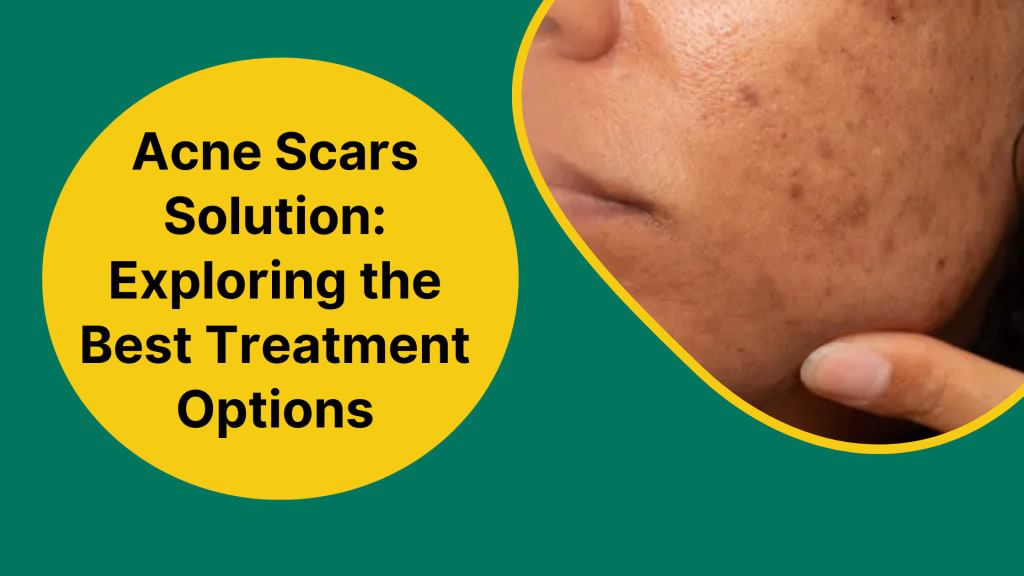
Acne scars are one of the most persistent reminders of acne, left after the acne has been healed. These scars affect millions, making it one of the most common skin conditions. Acne scars are more prevalent during puberty due to hormonal fluctuations. Now, these scars can differ based on the severity and appearance, affecting one’s confidence and self-esteem along with making one self-conscious about oneself. Thus, individuals struggling with acne scars often seek professional help. If you are seeking dermatologically recommended acne scar treatment in Delhi. This blog explores the types and the best treatment options for acne scars and helps you make an informed decision. Stay tuned for further information.
Acne scars: It’s causes and Types
Acne scars are caused by lesions or damage to the surface of the skin. While healing from acne scars, our skin produces collagen fiber to repair the skin, but when the skin starts producing too much or insufficient collagen fiber, it leads to scars. Examples of common types of acne scars are as follows:
Atrophic Scars
These are the most common types of acne scars, characterized by depressions on the surface of the skin. It causes the loss of collagen and can be further categorized into the below-mentioned types:
Ice Pick Scars: It appear to be narrow, deep indentations or tiny pits in the skin.
Boxcar Scars: These appear to be broad, shallow depressions with sharp and defined edges. It resembles more or less like a box, hence the name boxcar scars.
Rolling Scars: These appear to be wave-like depressions, causing more irregular texture.
Hypertrophic Scars
Hypertrophic scars are raised scars caused by too much production of collagen during the healing process. Hypertropic scars can be easily identified as they appear to be reddish or pink in colour. In addition, these scars are more common on the chest, shoulder or back.
Keloid Scars
These scars are similar to hypertrophic scars and are more pronounced. Keloid scars can spread or grow beyond the original acne wound. These scars are more common in individuals with darker skin tones.
Which Acne Scar Treatment Works Best?
While talking about the best acne scar treatment, it is important to understand that the treatment options depend upon the type of acne scar, the severity of the scarring, and the types of skin. Here are some of the best treatment options for acne scars, along with their benefits and risks.
Dermatological Treatments: Examples of dermatological treatment options for acne scars are as follows:
Microneedling: It involves tiny needles to create controlled micro-injuries to the skin, triggering the body to produce collagen.
Benefits:
- Effective for atrophic scars
- Minimal downtime.
- Stimulates collagen production
- Smoother skin
- Even textured skin
Risks:
- Redness
- Swelling
- Mild irritation.
- Not ideal for individuals with active acne
- Not ideal for sensitive skin types.
Chemical Peels: It uses a solution of acids to exfoliate the skin's top layer. It works by removing damaged skin cells and promoting new skin growth, making it ideal for superficial acne scars and improving overall skin tone.
Benefits
- Effective against hyperpigmentation.
- Even out the texture.
- Improves skin’s appearance over time.
Risks
- Irritation
- Redness
- Increased sensitivity to the sun.
- Temporary Inflammation
Laser Treatments: It uses focused light energy to resurface the skin. It works by targeting deeper layers of the skin, stimulating collagen production, and reducing the appearance of scars.
Benefits
- Highly effective for deep, pitted scars (like ice pick and boxcar scars).
- Minimal downtime for fractional lasers.
Risks
- Redness
- Swelling
- Scabbing after treatment.
Oral Medications: Oral medications are an effective solution for managing acne scars. It is often combined with topical medications or dermatological procedures. Some of the common oral medications for acne scars are as follows:
Oral Retinoids: It is a derivative of vitamin A. It works by controlling sebum production and increasing cell turnover
Benefits
- Reduced acne breakout
- Prevent new scars from forming
- Controlling sebum (oil) production
Risks
- Dry skin
- Lip cracking
- Increased sensitivity to sunlight.
Potential risks of birth defects; not recommended for pregnant women.
Antibiotics: Oral antibiotics can help reduce acne-causing bacteria and inflammation, preventing future breakouts. Examples of such antibiotics are doxycycline or minocycline.
Benefits
- Reduced active acne
- Prevent future acne breakouts
- Prevent scarring
Risks
- Prolonged use can lead to antibiotic resistance.
- Nausea
- Dizziness
- Gastrointestinal upset.
Topical Medications: They are considered the first line of defense for mild to moderate acne scars. It is ideal to lighten hyperpigmentation and improve skin texture. Examples of topical medication are as follows:
Retinoid Creams: It is a derivative of vitamin A. It works by increasing the cell turnover rate.
Benefits:
- Stimulates collagen production and promotes skin healing.
- Reduces the appearance of both scars and fine lines.
Risks:
- Can cause dryness, irritation, or redness, especially in sensitive skin.
- It takes several weeks to show noticeable improvements.
Vitamin C Serums: Vitamin C is a powerful antioxidant; it helps brighten the skin by reducing pigmentation. It is ideal for post-inflammatory hyperpigmentation (PIH).
Benefits:
- Helps fade dark spots and hyperpigmentation.
- Boosts collagen production.
- Improves skin texture.
Risks:
- Irritation
- Increased skin sensitivity in some individuals.
- Can get oxidized quickly, so it’s important to store it in a dark, cool place.
About the Creator
Mehektagul Dermaclinic
Mehektagul Dermaclinic is widely known for its exceptional services in aesthetics and lasers. At the clinic, Dr. Gulhima Arora and Dr. Sandeep Arora are experienced certified aesthetic dermatologists with years of experience.
Keep reading
More stories from writers in Families and other communities.
She Was Ready to Move On - He Wasn’t Ready to Sign
She had already packed the boxes in her head long before she packed them in real life. The marriage had ended quietly. No shouting. No dramatic final row. Just two people accepting that it was over. The divorce itself progressed. Forms were filed. Emails were answered. Friends assumed everything was nearly done.
By Family Law Service6 days ago in Families
Government Health Coverage for Eye Exams: What Refugees Should Know
Access to healthcare is essential — especially for refugees adjusting to life in Canada. One of the most common questions newcomers ask is whether government health programs cover eye exams and vision care. Understanding how refugee health coverage works can help you avoid unexpected costs and ensure you receive the care you need.
By Parham Optical5 days ago in Families




Comments
There are no comments for this story
Be the first to respond and start the conversation.