
A Handbook of British Etiquette That Most People Aren't Aware Of
Etiquette guidelines you should be aware of before travelling to the UK

Standing in line
The British are experts at queuing, and they don't like people who try to cut to the front of the line instead of waiting their turn like everyone else. Formal Greetings When you meet someone, it's good British etiquette to offer a greeting of some kind, such as "Good morning, how do you do?" This acknowledges that you've said hello to them and goes above and beyond. Queuing is the process of setting up an orderly line, whether it be at a busy public place, supermarket, or a busy bus stop.
Official Salutations
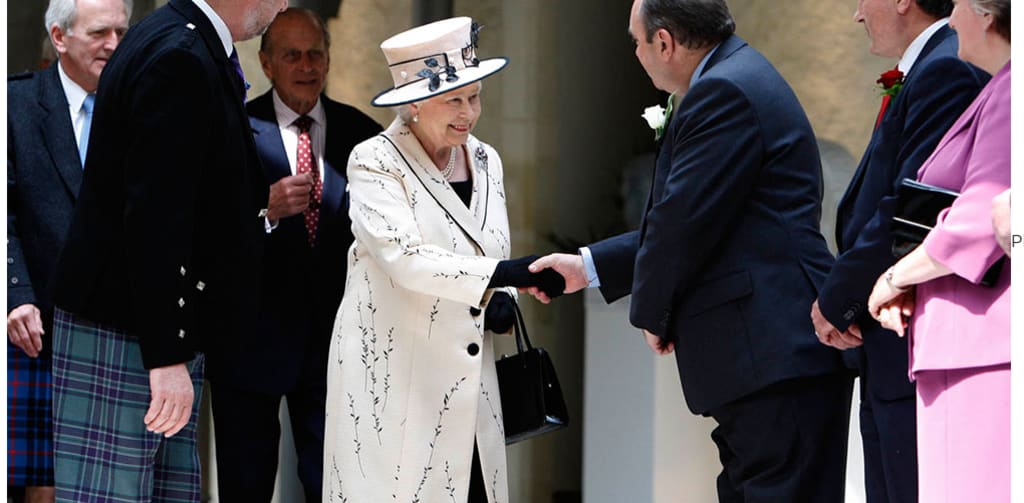
In British etiquette, greetings are very important since they set the tone for subsequent encounters. A handshake is occasionally offered, and for close friends and family, a cheek kiss may also be given.
Thank you, and please
The phrases "please" and "thank you" are essential components of British manners. The British place a high importance on being courteous and respectful, which is precisely what saying "please" and "thank you" achieves. In British etiquette, manners are extremely important since they show respect and gratitude for other people and their actions. Don't undervalue basic etiquette!
Table Etiquette
There are some table etiquette to be mindful of when dining with other people. Use the appropriate utensils, avoid talking while eating, chew with your lips shut, avoid placing your elbows on the table, wait until the host has finished eating, and put your napkin in your lap when you sit down to eat. These table manners show a great degree of civility and respect, two qualities that are essential to British society.
The dress code
In Britain, you should always dress for the occasion. Being overdressed is preferable to being underdressed. Wearing nice clothes shows that you appreciate the occasion and the participants.
Being modest
A cornerstone of British culture is modesty. Since discussing your accomplishments and good fortunes is viewed as arrogant and rude, you should avoid doing so. To make others feel more at ease and content, you are supposed to minimise your accomplishments. It is rude to bring more attention to yourself than is required, and humility is a virtue.
Bring a Present
Always bring a small gesture of appreciation when someone invites you to their house. This demonstrates respect and gratitude for the invitation into their house. It demonstrates your appreciation for their hospitality and the invitation to stay at their house.
Avoid Interrupting Others
When someone else is speaking, do yourself and everyone else a courtesy and wait for a natural pause before interrupting. Everyone wants to hear what you have to say, but if you start talking over other people, they won't like it. This is regarded as rude. Being considerate of others and giving them space to speak is considered polite behaviour.
Don't Discuss Money
Don't bring up your recent pay increase or financial bonus. It can cause discomfort for others and is regarded as quite rude. It's advisable to avoid discussing money in public settings and instead limit it to private settings.
Express Apologies
A simple "sorry" can go a long way to bridge any awkward pause in conversation and preserve the organic ebb and flow of engagement. Due in large part to their ingrained politeness and regard for other people, the British are famed for their frequent apologies. Even if you had nothing to do with what went wrong, it's normal to apologise frequently.
Be mindful of your own space.
People may become very uncomfortable if you approach them too closely. In every interaction, be mindful to respect others' personal space.
Religion and Politics
Steer clear of these conversation subjects unless you know the person you are chatting to well. The British dislike fighting and place a high priority on civility. Discussing politics and/or religion can lead to awkward situations, disagreements, and contentious debates. These kinds of discussions should be reserved for more private settings.
Releasing Your Seat
Offering your seat to your elders or a pregnant woman on a train or bus is significant and considered kind. It shows that you appreciate their presence and that their sitting there is more significant than your own need to sit.
RSVPing
It's crucial to return your RSVP as soon as you receive an invitation to an event. This makes it easier for the host to make appropriate and timely plans. It is considered impolite and inconsiderate not to RSVP. By confirming your participation via RSVP, the host can make sure they possess adequate supplies to ensure the event runs as smoothly as possible.
Concluding remarks
Since politeness is ingrained in British society, those who are familiar with it will not be surprised by these etiquette guidelines. Good British etiquette is based on being humble, not interrupting others, and presenting a tiny token of appreciation to a host's event.
Additionally, it is considered polite to avoid discussing money, apologise often, give up your seat, dress appropriately for the situation, and avoid discussing politics or religion in casual settings.
These rules foster a more peaceful social atmosphere in addition to demonstrating respect for others. Knowing and following these rules of politeness can significantly improve one's relationships and interactions in British society. Are you unfamiliar with any of these rules of etiquette? Tell us which ones you were unaware of!
About the Creator
Keep reading
More stories from Francis Dami and writers in Families and other communities.
Wise~Guys
— Look Behind what's in Front of You ~ Make Good Choices — Hey, So how you Doin'..! Made~Men — Mobster Movies romanticise a distinctive, elegant appearance, impeccable attire style, along with the 'Families' expressive lingo. Making their 'Bones' gave them Panache — with vintage fedoras, tailored pin-striped suits, mirror-polished wing-tip shoes adorned with tassels; with their 'Gun Moll' gorgeous dates on their arms.
By Jay Kantor18 days ago in Families
Why Are Teachers Leaving Education?
As someone who is new to teaching, I will not sit here and pretend to fully understand everything veteran teachers have endured over the years. I do not yet have decades of experience to draw from. However, I can speak honestly about what I have observed in my year and a half in the classroom, and what I have learned in that short time is both eye opening and concerning. Teaching today is no longer just about teaching content. It has evolved into a profession that often requires educators to act as the judge, the juror, and the executioner, so to speak, all while being expected to maintain patience, professionalism, and compassion at every turn.
By Kimberly Nightengalea day ago in Families
Ludacris and Nelly draw backlash over bookings at MAGA-coded music festival
Ludacris and Nelly headlining a mostly right-wing event is good for them. It’s also great for the genre of hip hop. The two rap veterans have showcased their talents on other stages. Why can’t they perform for mostly MAGA folks and grab that bag?
By Skyler Saunders4 days ago in Beat



Comments
There are no comments for this story
Be the first to respond and start the conversation.