
7 Ways Nursing Mothers Can Deal with Postpartum Depression
Do Not Let Postpartum Depression Win, You've Got This!
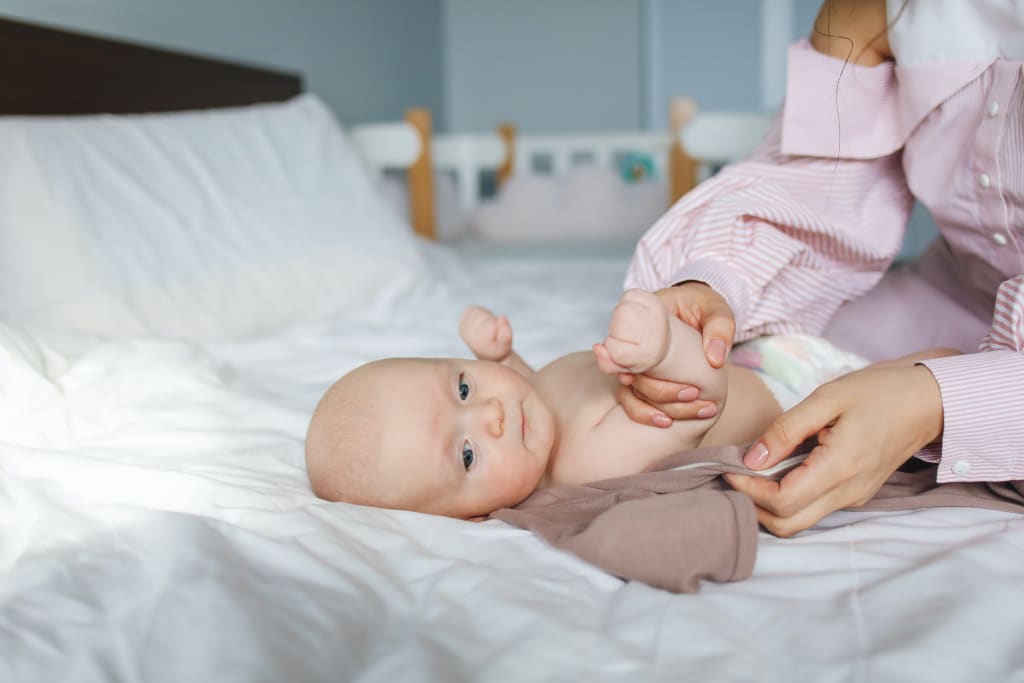
Childbirth could be overwhelming even for persons who have had other babies and more so for new parents. This experience can trigger lots of emotions in nursing parents. While the birth of a child can bring excitement, it can potentially mess up emotions, triggering postpartum depression.
Any new mother can experience postpartum depression (PPD), but those who have had depression in the past may be more susceptible to experiencing postpartum depression. Most new nursing mothers are often unaware that they are experiencing depression and thus would not seek help early. They often would interpret this as the feeling which comes with the experience of a completely new phase of life until they are on the brink of breakdown.

Women who have had prior experience(s) with postpartum depression can quickly sense that they are becoming depressive as soon as they begin to identify the symptoms. These symptoms often manifest as changes in mood, withdrawal from family and friends and difficulty connecting with your newborn, lack of appetite, insomnia, low self-esteem or feeling of worthlessness, feeling of anxiety, panic attacks, suicidal thoughts and self-harm, lack of drive.
It’s important to be aware of the symptoms of PPD so you can seek treatment as soon as possible because untreated PPD can put your child and yourself at risk of physical harm and longer-term emotional problems.
You are not alone if you think that you may be depressed; here are ten ways nursing mothers can cope with PPD before it’s too late.
1. Seek Professional Help

Postpartum depression is a serious condition that can have a significant impact on the mental and physical well-being of both new moms and their children. If you feel overwhelmed, it's important to reach out to your healthcare provider or speak with someone you trust.
2. Get Support From Family and Friends
Nursing mothers who are experiencing postpartum depression might find it helpful to get support from friends and family, especially when it comes to babysitting the newborn. It's important for moms who have been diagnosed with PPD to receive adequate treatment, because untreated PPD can lead to serious mental health consequences. Friends and family members can be strong support systems for new moms who may be feeling overwhelmed.
#Bonus tip: Get a new mom friends - A new mom friend will understand some of the struggles that come along with being a first time mom and offer helpful tips that have worked for them.
3. Join PDD Support Group

Joining a support group is one way to cope with postpartum depression because it provides support from women who can relate to your experience. In a group, you'll be able to share your thoughts and feelings and hear other mothers talking about the same things that are affecting you. It can also help you get through tough times when the baby is crying or needs a diaper change while you're meeting in person.
4. Exercise
Exercise is one of the most vital coping strategies for postpartum depression. However, it may be challenging to find time to exercise when you're busy taking care of your new baby. It's important that you take care of yourself in order to take care of your child.
Here are a few ways you can get some exercise without neglecting your responsibilities as a new mom:
- Spend 20 minutes brisk walking to the park every day or schedule an hour and a half each week to get together with friends and go on a hike or bike ride.
- Participate in childbirth classes, which often include exercises that help strengthen pelvic muscles - Join an online support group for moms who have PPD.
5. Eat a Healthy Diet

It's a well-known fact that a healthy diet will go a long way in terms of how you feel. This is doubly true for nursing mothers. The benefits of breastfeeding are numerous and it has been shown that breastfeeding mothers have less postpartum depression. Eating an adequate amount of protein will provide you with the necessary vitamins and nutrients to stay healthy and energized. You should foods rich in omega-3 fatty acids in your diet as it helps in lactation.
6. Find a Hobby
Breastfeeding mothers should try to find a hobby that they can enjoy and be successful in. A new mom may feel overwhelmed by being responsible for her family, but if she has a hobby that she enjoys, it can help alleviate some of the stress. It may even get her out of the house and interacting with other adults. A good place to start might be a volunteer organization where you are needed or loved or picking up knitting skills from YouTube.
7. Take Breaks
Breastfeeding mothers may feel especially guilty when they take time for themselves, but it's important to remember that this is not a break from their children. There are many ways new moms can cope with postpartum depression with short breaks. For example hiring a babysitter for a few hour to mind your newborn while you go for brief yoga sessions or have that 4 hour-long siesta you have been craving for so long.
Conclusion
A lot of times, people do not even know that they are depressed, if you are close to a nursing mother you suspect is having depressive symptoms, do not hesitate to give them as much support as you can and also get them professional assistance if you can.
About the Creator
Keep reading
More stories from writers in Families and other communities.
Wise~Guys
— Look Behind what's in Front of You ~ Make Good Choices — Hey, So how you Doin'..! Made~Men — Mobster Movies romanticise a distinctive, elegant appearance, impeccable attire style, along with the 'Families' expressive lingo. Making their 'Bones' gave them Panache — with vintage fedoras, tailored pin-striped suits, mirror-polished wing-tip shoes adorned with tassels; with their 'Gun Moll' gorgeous dates on their arms.
By Jay Kantor28 days ago in Families
Equitable Distribution in Florida: How Courts Divide Marital Property
What Equitable Distribution Means Florida follows the principle of equitable distribution when dividing marital assets and debts during a divorce. Unlike community property states that split assets 50/50 by default, Florida divides property based on what is fair, which is not always equal. The goal is to reach an outcome that reflects each spouse’s financial circumstances, contributions to the marriage, and future needs. Understanding how equitable distribution works helps spouses prepare for the financial aspects of divorce.
By Grant Gisondoabout 17 hours ago in Families
One Hard Thing
Stop me if you’ve heard this one before: You have the number, you know your schedule- you’ve even picked out the perfect day and time to make this appointment. Shoot, you’ve even picked out alternative days and times just in case their schedules can’t accommodate you!
By Taylor Rigsby3 days ago in Motivation
Killing him slowly
There’s an intruder in my house again. He stumbles through the door, wet carrier bags in hand. He’s bought me offerings. I show my appreciation, letting him caress my beautiful body. He wants to touch me. I rub myself against his legs. He sighs, dropping the bags. He can’t resist touching me. Running his hand slowly down my spine, I arch my back towards his caress, let out a low purr. It’s what we both need.
By N J Delmasabout 12 hours ago in Horror




Comments
There are no comments for this story
Be the first to respond and start the conversation.