
Yoga for Improved Flexibility
Unlocking Mobility and Agility with Daily Yoga Poses


Flexibility is a key component of physical fitness and plays a crucial role in overall health. It allows for greater ease of movement, better posture, reduced risk of injury, and enhanced performance in other physical activities. One of the most effective ways to improve flexibility is through yoga, a holistic practice that involves stretching, controlled breathing, and mindful movement. Unlike other forms of exercise, yoga focuses on safe, gradual improvement, making it accessible to people of all fitness levels. Let’s explore how yoga promotes flexibility and why it’s beneficial for both the body and mind.
Why Flexibility Matters for Health and Wellness
Improved flexibility has a range of benefits. As we age, our muscles naturally lose elasticity, leading to a restricted range of motion and increased susceptibility to stiffness and injury. Poor flexibility can contribute to common issues such as lower back pain, poor posture, and muscle imbalances, which can affect balance and coordination. Increasing flexibility through consistent stretching can reduce these risks and contribute to an overall feeling of physical freedom.
Aside from the physical perks, greater flexibility also supports mental relaxation. Flexibility exercises like yoga allow you to tune into your body, release tension, and improve body awareness. This mindfulness component not only improves the practice itself but also has lasting effects on stress reduction and mental clarity.
How Yoga Improves Flexibility
Yoga involves a variety of poses, known as asanas, each targeting specific muscle groups to stretch, lengthen, and strengthen. Yoga’s unique approach lies in its combination of static stretching (holding poses) and dynamic stretching (moving through poses), which improves both muscle elasticity and joint range of motion over time. Here are several ways yoga directly impacts flexibility:
1. Lengthening Muscle Fibers
Yoga poses actively stretch and lengthen muscle fibers, which can increase flexibility with consistent practice. As you hold poses, especially those that stretch the hamstrings, quadriceps, or back, muscle fibers gradually elongate. This lengthening process reduces stiffness and enhances the muscles' capacity to move freely.
2. Increasing Joint Range of Motion
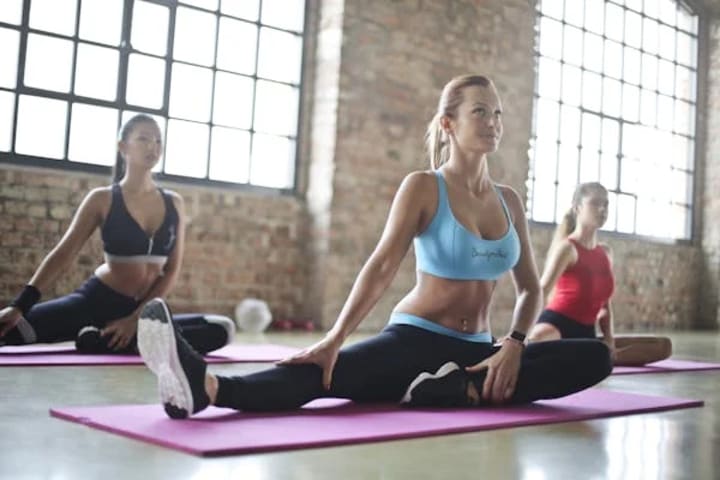
Yoga improves the range of motion in your joints by mobilizing connective tissues and synovial fluid. This lubrication and gentle stretching allow joints to move more smoothly and efficiently, minimizing the risk of strain or injury during physical activities.
3. Strengthening Supporting Muscles
Many yoga poses require balance and core engagement, which strengthens the muscles that support flexibility. For example, poses like Warrior II and Chair Pose work on building strength in the legs and hips, helping support the muscles that are stretched in other poses like Forward Fold and Pigeon Pose.
4. Promoting Relaxation and Reducing Muscle Tension
Stress and tension can lead to muscle tightness, reducing flexibility. The breathing exercises (known as pranayama) that are integral to yoga practice help calm the nervous system and promote relaxation. As the body relaxes, it becomes easier to stretch and improve flexibility, as tight muscles are more receptive to lengthening when relaxed.
Effective Yoga Poses for Flexibility
There are specific poses in yoga that are particularly beneficial for flexibility. Here are a few beginner-friendly poses that target different areas of the body:
1. Forward Fold (Uttanasana)
This pose targets the hamstrings and lower back. Start in a standing position, then bend forward at the hips, reaching towards your toes. Let your upper body hang and breathe deeply to release tension. Over time, this pose can greatly improve hamstring flexibility and reduce back stiffness.
2. Downward-Facing Dog (Adho Mukha Svanasana)
A foundational pose in yoga, Downward-Facing Dog stretches the calves, hamstrings, and shoulders. Start on your hands and knees, then lift your hips up and back, forming an inverted “V” shape. This pose encourages flexibility in the spine and lengthens the back of the legs.
3. Pigeon Pose (Eka Pada Rajakapotasana)
Pigeon Pose is ideal for hip flexibility, which is essential for mobility. Begin in a plank position, bring one knee forward, and place it near your wrist. Extend the other leg back, keeping the hips level, and slowly lower your torso. This pose deeply stretches the hip flexors, glutes, and thighs.
4. Cobra Pose (Bhujangasana)
This pose opens up the chest, stretches the abdomen, and increases spinal flexibility. Lie on your stomach with hands beneath your shoulders, then press up to lift your chest, lengthening through the spine. Cobra Pose is effective for back flexibility, which is crucial for maintaining posture.
5. Butterfly Pose (Baddha Konasana)
Butterfly Pose targets the inner thighs and hips, promoting a broader range of motion. Sit with your feet together, knees bent, and gently press the knees towards the ground. Regular practice of this pose helps improve hip mobility, making daily movements more comfortable.
Tips for Gaining Flexibility Through Yoga
Consistency Over Intensity: Flexibility develops over time. Practicing yoga 2-3 times a week is more beneficial than one intense stretching session. Regular practice is key to seeing improvement.
Breathe Deeply: Proper breathing helps muscles relax and makes stretching more effective. Focus on deep, slow breaths to release tension in tight areas.
Avoid Overstretching: It’s essential to work within your limits to avoid strain or injury. Yoga is not about forcing your body into a pose but gently encouraging it to reach its potential.
Use Props for Support: Blocks, straps, and bolsters are useful tools for achieving poses without risking injury. Props allow for gentle stretching and are helpful when working on flexibility.
The Mental Benefits of Increased Flexibility
As flexibility improves, so does your overall sense of well-being. Moving with greater ease creates a positive feedback loop: when the body feels better, so does the mind. This sense of accomplishment can foster confidence and enhance mental resilience. Additionally, the practice of deep, mindful stretching cultivates patience, persistence, and self-awareness—qualities that extend beyond yoga practice and into everyday life.
Conclusion
Yoga is a highly effective and gentle way to improve flexibility, benefitting not only the body but also the mind. By consistently practicing yoga, you can achieve a better range of motion, reduced muscle tension, and improved joint health. Moreover, the mindfulness aspect of yoga allows you to be in tune with your body, helping you progress safely and effectively. Whether you’re a beginner or an experienced practitioner, yoga offers a path to unlocking a more flexible, mobile, and agile self.
About the Creator
William
I'm William, a passionate writer🏋️♂️ Health & Fitness Advocate 🌱 | Sharing tips on workouts 💪, nutrition 🥗, and wellness 🌞 to help you live a balanced, active life. Let’s reach your fitness goals together! 🌟
5 AI Side Hustles You Can Start in 2026 to Make Money Online
Artificial intelligence isn’t just a buzzword—it’s a goldmine for anyone looking to start a side hustle or make extra income online. In 2026, AI tools are more accessible than ever, allowing individuals to automate tasks, create digital products, and provide services that were previously time-consuming or expensive.
By Majus Jasulaitis4 days ago in Education
Top Basketball Drills to Build Leadership and Court IQ
Basketball is often described as a game of speed, skill, and teamwork. While athletic ability is important, the players who truly stand out are those with strong leadership qualities and advanced court intelligence. Court IQ refers to a player's ability to read the game, make smart decisions, and anticipate teammates' and opponents' actions. Leadership involves communication, confidence, and the ability to guide teammates during intense moments of competition.
By Jeb Kratzig3 days ago in Education
Top tipple tricks
Been thinking a lot about drinking, lately. Not least because of a recent episode of over-indulgence and the inevitable after effects. Some readers may recall the earlier articles I wrote about beating the booze. Here I set out an experiment in techniques for cutting down on my alcohol intake. The experiment was successful, the techniques worked, and I have armed myself with an arsenal of weapons in the war against the demon drink. I have yet to fire the first round however. It's all a question of timing (perhaps procrastination).
By Raymond G. Taylor4 days ago in Psyche



Comments
There are no comments for this story
Be the first to respond and start the conversation.