
Stress Relief Through Yoga
How Yoga Practices Calm the Mind and Relieve Tension

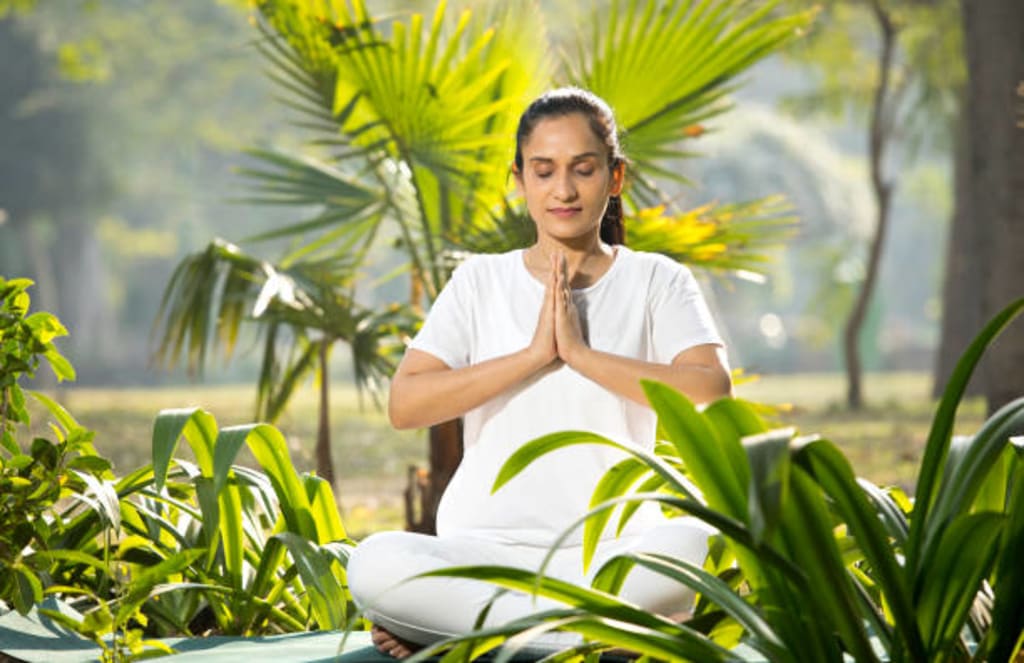
Stress has become an inevitable part of our living today in this fast-paced world. Deadlines, interpersonal relationship management, and daily life demands themselves are quite overwhelming. Such persistent stress adversely impacts our psychological and physical well-being and is associated with disorders such as anxiety, depression, sleep disturbances, and even chronic illnesses. A potent and natural approach to relieving stress is the practice of yoga; yoga is an ancient art that yogis combine with physical postures, breath control exercises, and meditation to achieve relaxation, balance, and harmony.
The Science Behind Yoga and Stress Relief
The stress-relieving effects of yoga are highly associated with its influence on the parasympathetic nervous system. This system is sometimes called the "rest and digest" system; it opposes the "fight or flight" response that stress provides. In stressful situations, our bodies secrete hormones like cortisol and adrenaline which prepare us for immediate action. However, prolonged high levels of these hormones lead to fatigue, irritability, and suppression of the immune response.
Yoga practice activates the PNS, which also results in a relaxed mind, reduced heart rate, and lowered blood pressure. Cortisol levels are reduced by stimulating this system, which is part of the reason yoga promotes a feeling of well-being. The second effect is that the respiratory techniques used in yoga enhance the flow of oxygen to the brain, thereby improving concentration and enabling practitioners to retain their composure even when faced with stressful situations.
Key Yoga Practices for Stress Relief
Various yoga techniques have been specially proven to relieve stress. Here are some of the most powerful practices:
1. Breathing Exercises (Pranayama)
Deep Breathing Techniques: Deep breathing to the diaphragm calms down the heart rate and promotes a relaxed state. Engaging in exercise of deep breathing for just a few minutes on daily basis can do wonders on stress levels Honey.
Alternate Nostril Breathing (Nadi Shodhana): This practice brings harmony between the two hemispheres of the brain, thereby creating a lovely sense of balance. It is particularly effective in alleviating anxiety and enhancing cognitive clarity.
2. Mindfulness Meditation
Meditation is an integral part of yoga and helps the mind learn to remain in the present. Most stress arises from expectations in the future or regrets over the past. Mindfulness meditation focuses on the present moment which enables practitioners to recognize their thoughts and feelings without criticism. This acceptance may be quite liberating, allowing for more mental clutter to fade away and a more relaxed mental state to prevail.
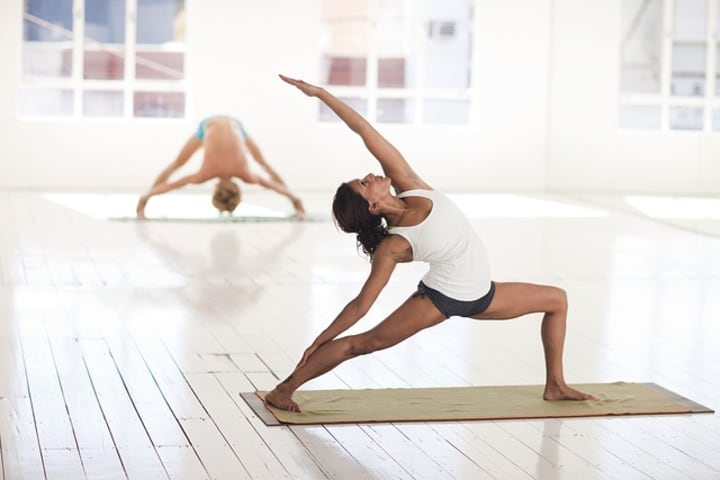
3. Restorative Yoga Poses
Child’s Pose (Balasana) is a position that is gentle and grounding which induces relaxation, and it is very good in easing tension at the back, shoulders and neck.
Legs Up the Wall (Viparita Karani): This pose helps in exerting pressure on the nervous system, enhancing blood circulation, and relieving anxiety. It creates a reverse movement in the flow of blood, thereby providing a sense of tranquility and relief from stress.
4. Guided Relaxation (Yoga Nidra)
Yoga Nidra, or yogic sleep, is an extremely restorative practice in which one gets wakefulness and sleep. In this guided meditation, deep relaxation is promoted, which helps relieve both mental and physical tension. Research has shown that 20 minutes of Yoga Nidra provides rest comparable to several hours of sleep; therefore, it is an excellent tool for combating stress.
Physical Benefits of Yoga for Stress Relief
In addition to mental relaxation, yoga offers physical benefits that reduce stress. Here’s how regular practice can impact the body:
Reduced Muscle Tension: Stress causes muscles to tighten, leading to headaches, back pain, and general discomfort. Yoga stretches and lengthens muscles, releasing tension and promoting relaxation.
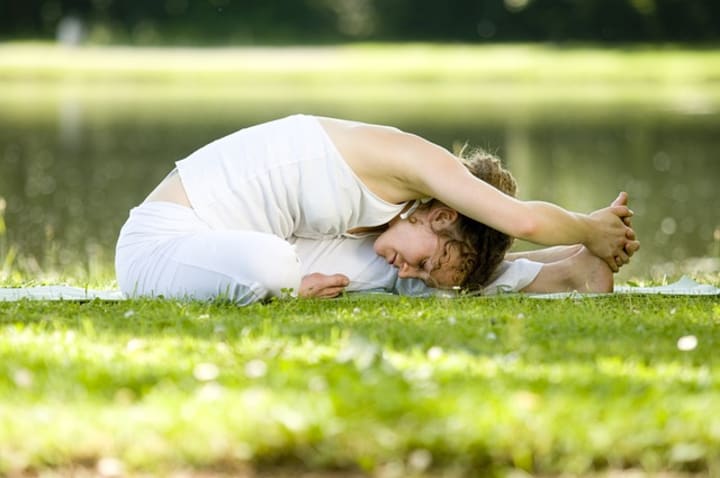
Improved Sleep: Many people struggle to sleep due to stress and anxiety. Yoga calms the mind and prepares the body for restful sleep, improving sleep quality and leaving you feeling refreshed.
Enhanced Immune Function: High stress weakens the immune system, making the body more susceptible to illness. Regular yoga practice helps balance hormones, reduce inflammation, and support a strong immune response.
Better Digestion: Stress affects digestion, often leading to issues like bloating, acid reflux, and constipation. Yoga stimulates the digestive organs, promoting better digestion and reducing discomfort.
Mental and Emotional Benefits of Yoga for Stress Relief
The psychological benefits of yoga are profound. By promoting a healthy relationship between the mind and body, yoga encourages emotional resilience and mental clarity:
Increased Emotional Resilience: Yoga teaches practitioners to respond rather than react to situations. This cultivated awareness helps manage emotions more effectively, reducing feelings of overwhelm.

Reduced Anxiety and Depression: Yoga practices like mindfulness and deep breathing increase the production of serotonin and dopamine, the body’s “feel-good” chemicals. These neurotransmitters help combat anxiety and depression, lifting your mood naturally.
Improved Focus and Concentration: Regular yoga practice trains the mind to focus, whether it’s on breathing, a pose, or a point in the environment. This improved focus can lead to greater productivity and reduced mental stress.
Enhanced Self-Awareness: Through yoga, individuals become more aware of their thoughts, emotions, and physical sensations. This self-awareness promotes a better understanding of triggers, helping to prevent stress from building up.
Incorporating Yoga into Your Routine for Lasting Stress Relief
For maximum benefit, aim to incorporate yoga into your daily routine. Even 10-15 minutes of yoga in the morning can set a positive tone for the day. A longer session in the evening can help unwind the mind and body, releasing any tension accumulated throughout the day.
A regular yoga practice offers the tools needed to handle life’s challenges more calmly and efficiently. By incorporating breathing exercises, meditation, and physical postures, yoga creates a holistic approach to managing and relieving stress. Through mindful movement and breathwork, yoga cultivates a balanced and peaceful state of mind, offering a natural solution to combat the pressures of modern life.
About the Creator
William
I'm William, a passionate writer🏋️♂️ Health & Fitness Advocate 🌱 | Sharing tips on workouts 💪, nutrition 🥗, and wellness 🌞 to help you live a balanced, active life. Let’s reach your fitness goals together! 🌟
Effective Methods for Improving Interpersonal Communication Skills at Work and in Life
Communication plays a major role in how people connect, work together, and solve problems. Every day, people talk with coworkers, friends, family members, and new acquaintances. These interactions depend on clear and respectful communication. Because of this, improving interpersonal communication skills can help people build stronger relationships and avoid many common misunderstandings.
By Micah Love-Allotey6 days ago in Education
How Solar Winds Create Space Weather: Understanding the Sun’s Influence on Space
What Is Solar Wind? Solar wind is a continuous stream of charged particles released from the Sun’s outer atmosphere. These particles mainly consist of electrons and protons, which are atoms that have lost their electrons due to extremely high temperatures.
By shahkar jalal8 days ago in Education



Comments
There are no comments for this story
Be the first to respond and start the conversation.