
X-rays and their harm to health
X-rays and their harm to health
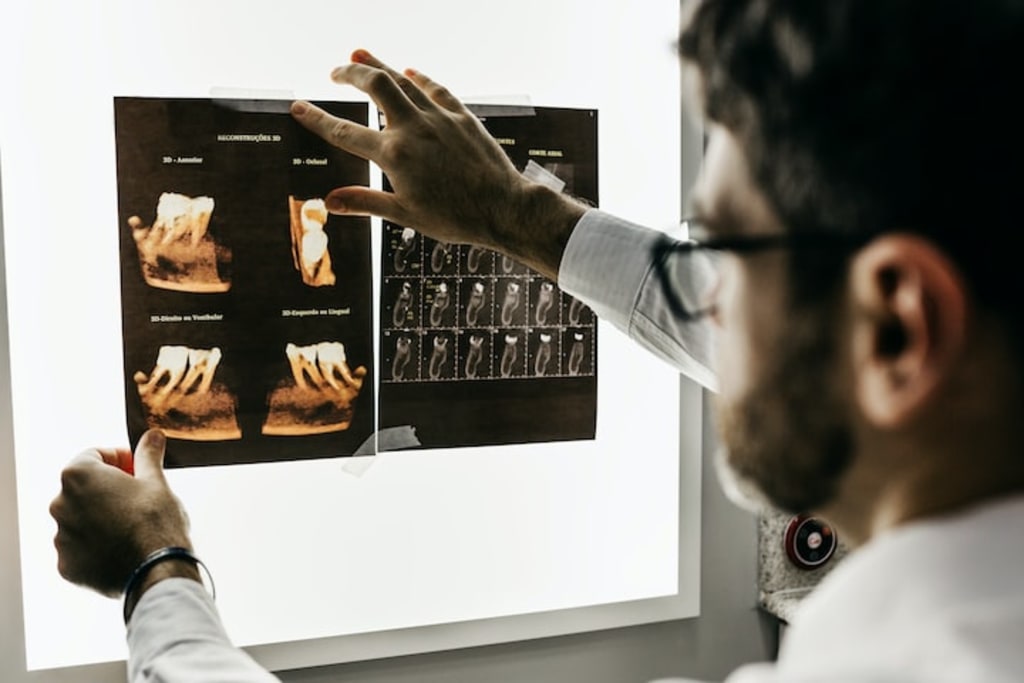
**X-rays**
X-rays are a type of electromagnetic radiation, like visible light and radio waves, but with a much shorter wavelength. X-rays were first discovered in 1895 by German scientist Wilhelm Conrad Röntgen, who was studying cathode ray tubes. Röntgen noticed that the tube was producing a new type of radiation that could penetrate solid objects and produce a silhouette image of bones on a fluorescent screen.
**How Do X-rays Work?**
X-rays are produced when electrons are accelerated to high speeds and then stopped suddenly. This sudden stop causes the electrons to release X-rays.
X-rays are used in a variety of applications, including:
* **Medical imaging:** X-rays are used to take pictures of the internal organs and tissues of the body. These images can be used to diagnose a variety of medical conditions, such as fractures, pneumonia, and cancer.
* **Security:** X-rays are used to scan luggage and mail for hazardous materials. They are also used to scan people at airports, train stations, and bus stations for weapons and other dangerous items.
* **Industry:** X-rays are used to inspect welds and other materials for defects. They are also used to measure the thickness of materials and determine their density.
* **Scientific research:** X-rays are used to study the structure of materials and atoms. They are also used to study stars and other planets.
**Types of X-rays**
There are two main types of X-rays:
* **Soft X-rays:** These have a longer wavelength and are used to take pictures of soft tissues, such as muscles and internal organs.
* **Hard X-rays:** These have a shorter wavelength and are used to take pictures of bones and metals.
**Risks of X-rays**
X-rays can be harmful to health if they are not used properly. X-rays can damage cells and tissues, and increase the risk of cancer.
To reduce the risks of X-rays, the following precautions should be taken:
* X-rays should only be used when they are medically necessary.
* The lowest possible dose of X-rays should be used.
* Patients and healthcare workers should be protected from unnecessary exposure to X-rays.
**Medical Uses of X-rays**
X-rays are used in a variety of medical applications, including:
* **Diagnosis:** X-rays are used to diagnose a variety of medical conditions, such as fractures, pneumonia, and cancer.
* **Treatment:** X-rays are used to treat some types of cancer.
* **Monitoring:** X-rays are used to monitor the progression of some medical conditions, such as cancer and heart disease.
**X-rays and Cancer**
X-rays can damage cells and tissues, and increase the risk of cancer. However, the risk of cancer from X-rays is very low, especially if X-rays are used properly.
To reduce the risk of cancer from X-rays, the following precautions should be taken:
* X-rays should only be used when they are medically necessary.
* The lowest possible dose of X-rays should be used.
* Patients and healthcare workers should be protected from unnecessary exposure to X-rays.
**Conclusion**
X-rays are a valuable tool in medicine, industry, and scientific research. However, X-rays can be harmful to health if they are not used properly. To reduce the risks of X-rays, the necessary precautions should be taken.
About the Creator
Keep reading
More stories from Good Morning and writers in Education and other communities.
The importance of science
**The Importance of Science** Science is the process of acquiring knowledge and understanding the world around us. It is the foundation of all the progress that humanity has made throughout history. Science has enabled us to understand the laws of nature and harness them for our benefit, and it has led to the development of the modern technologies that we rely on in our daily lives.
By Good Morning2 years ago in Education
Key Qualities to Look for in a Financial Advisor for Your Retirement Goals
Choosing a financial advisor is one of the most important decisions you will make as you prepare for retirement. The right advisor can help you create a strong financial plan, protect your savings, and guide you through complex decisions about investments, taxes, and income distribution. Since retirement planning involves long-term commitments, it is essential to work with someone who understands your goals and values. Knowing what to look for in a financial advisor ensures you choose a professional who can support your financial security for years to come.
By Keith D'Agostino7 days ago in Education
The Confidence Advantage: How Transparent Communication Builds Lasting Investor Trust
Investor relationships thrive on more than financial returns. While performance attracts attention, trust sustains commitment over time. In an environment shaped by rapid information flow and shifting market conditions, transparency has become one of the most powerful tools for building and maintaining investor confidence. When organizations communicate clearly and consistently, they strengthen relationships that endure well beyond short-term results.
By Michael Christopher Venturinoa day ago in Education


Comments (1)
I appreciate its well-crafted and informative nature.