
World Ending Events
10 Historical Events That Almost Ended the World

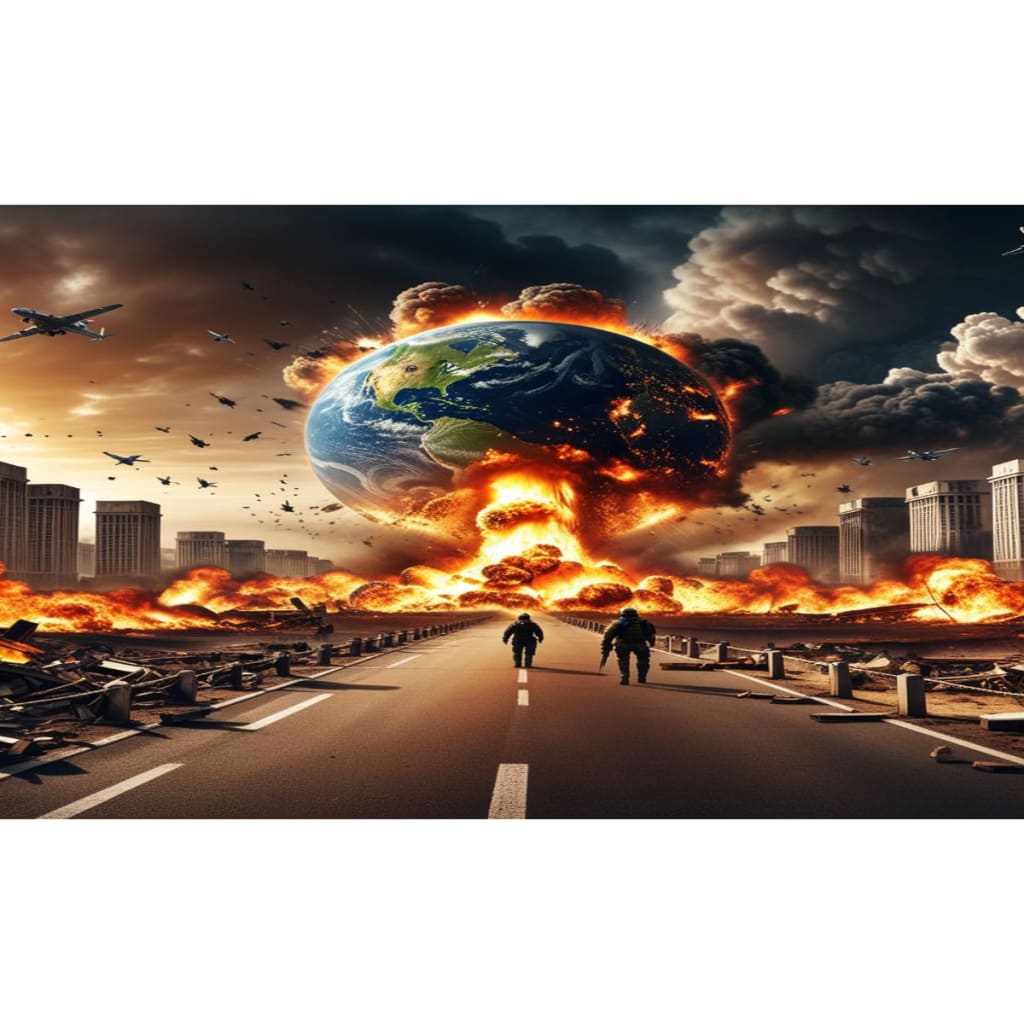
10 Historical Events That Almost Ended the World
Throughout history, humanity has faced catastrophic moments that came dangerously close to wiping us out. From near-misses with natural disasters to human-made calamities, these events serve as stark reminders of how fragile civilization truly is. Here are 10 historical events that almost ended the world.
________________________________________
1. The Black Death (1347-1351)
The Black Death, one of the deadliest pandemics in history, wiped out nearly 30-60% of Europe’s population. This plague, caused by the bacterium Yersinia pestis, disrupted societies, economies, and religions. If it had spread even further, it might have decimated humanity completely.
Why It Matters: This pandemic highlighted the importance of public health and the dire consequences of unchecked disease.
________________________________________
2. The Tunguska Event (1908)
In 1908, an enormous explosion flattened 800 square miles of Siberian forest. Believed to have been caused by a meteoroid or comet, the Tunguska Event released energy equivalent to 10-15 megatons of TNT. Had it struck a populated area, the destruction would have been unimaginable.
Why It Matters: This incident underscores the potential danger of celestial objects striking Earth.
________________________________________
3. The Cuban Missile Crisis (1962)
For 13 tense days in October 1962, the world teetered on the brink of nuclear war. The standoff between the United States and the Soviet Union over missiles in Cuba could have escalated into a global conflict that would have annihilated millions.
Why It Matters: It was a sobering moment that emphasized the need for diplomacy and nuclear disarmament.
________________________________________
4. The Mount Tambora Eruption (1815)
The eruption of Mount Tambora in Indonesia caused the “Year Without a Summer.” Massive amounts of ash in the atmosphere led to global cooling, widespread famine, and social unrest. The volcanic winter demonstrated how a single event could disrupt the planet’s climate and threaten survival.
Why It Matters: It highlighted the interconnectedness of environmental and societal stability.
________________________________________
5. The Spanish Flu (1918-1919)
The Spanish Flu infected one-third of the world’s population and claimed an estimated 50 million lives. Unlike other influenza outbreaks, it disproportionately affected young, healthy adults, causing widespread panic and societal breakdown.
Why It Matters: This pandemic showed the importance of global collaboration in fighting diseases.
________________________________________
6. The Near-Miss with the Carrington Event (1859)
A massive solar storm in 1859, known as the Carrington Event, caused widespread telegraph failures and auroras visible as far south as the Caribbean. If a similar event occurred today, it could cripple modern infrastructure, leading to chaos on an unprecedented scale.
Why It Matters: The fragility of our technology-dependent society is a pressing concern.
________________________________________
7. The Krakatoa Eruption (1883)
The eruption of Krakatoa in 1883 was one of the most violent volcanic events in recorded history. It triggered tsunamis, killed over 36,000 people, and altered global weather patterns for years. The resulting famine and disease could have been much worse.
Why It Matters: It demonstrated the devastating global impact of natural disasters.
________________________________________
8. The Cold War’s Nuclear Close Calls (1947-1991)
During the Cold War, numerous incidents almost led to nuclear disaster, including the 1983 Soviet false alarm, where malfunctioning satellites falsely indicated a U.S. missile launch. A single misstep could have triggered global annihilation.
Why It Matters: These close calls highlight the ongoing threat posed by nuclear weapons.
________________________________________
9. The Chicxulub Impact (66 Million Years Ago)
While predating humanity, the asteroid that struck near present-day Mexico wiped out the dinosaurs and nearly 75% of all life on Earth. If such an event were to happen today, it would likely mean the end of modern civilization.
Why It Matters: It serves as a chilling reminder of the existential threats posed by space objects.
________________________________________
10. COVID-19 Pandemic (2020-Present)
The COVID-19 pandemic brought the world to its knees, killing millions and exposing vulnerabilities in global health systems. While it didn’t end humanity, it highlighted how easily a novel pathogen could disrupt the world.
Why It Matters: It emphasized the need for pandemic preparedness and resilient healthcare systems.
________________________________________
Lessons from the Brink
These events remind us of humanity’s resilience but also its vulnerability. Whether through better preparedness, technological advancement, or global cooperation, we must learn from the past to prevent history from repeating itself. The stakes are high, and the next near-miss might not be so forgiving.
________________________________________
Keywords: historical events, near-extinction, catastrophic events, Cuban Missile Crisis, Black Death, Tunguska Event, Spanish Flu, Mount Tambora, Carrington Event, Krakatoa eruption, Chicxulub impact, COVID-19 pandemic, global disasters, existential threats, history lessons.
About the Creator
Keep reading
More stories from Juliana Ndalnamu and writers in Education and other communities.
Forgotten Heroes
10 Forgotten Heroes Who Changed History Forever History often celebrates prominent figures like kings, queens, and generals. But hidden behind the pages of textbooks are unsung heroes whose remarkable contributions changed the course of history. These individuals, often overlooked, played pivotal roles in shaping the world we live in today. Let’s shine a light on 10 forgotten heroes whose stories deserve recognition.
By Juliana Ndalnamuabout a year ago in Education


Comments
There are no comments for this story
Be the first to respond and start the conversation.