
Wire mesh for Machine Guards
Understanding everything you need to know about Wire Mesh Machine Guards

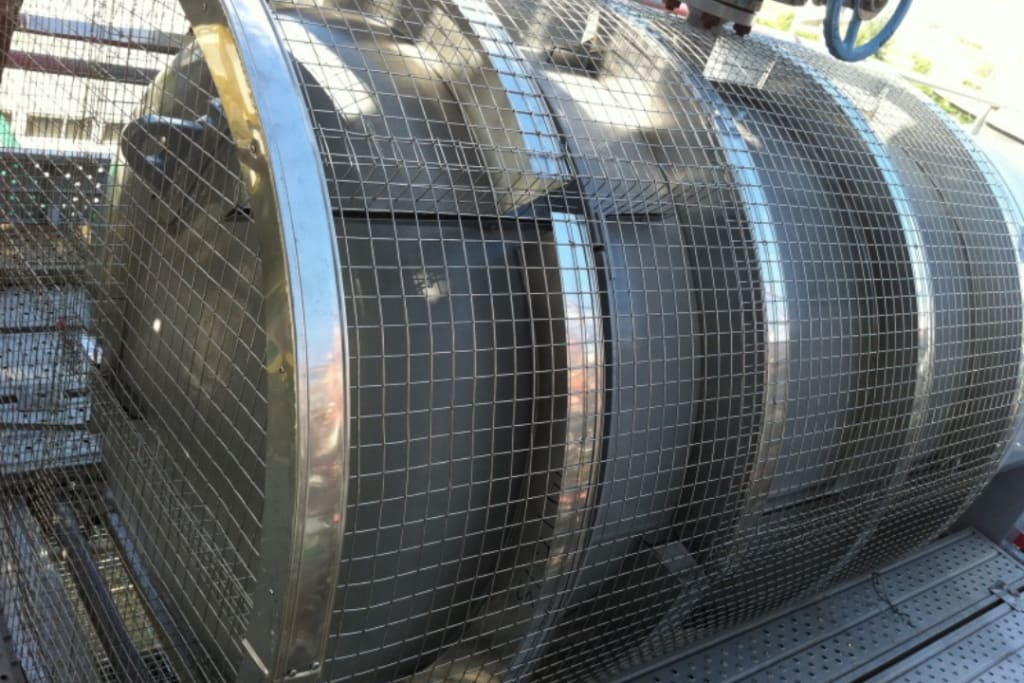
In industrial and commercial setting, the safety of workers and machinery is paramount where the use of wire mesh machine guards come to effect. Machine guards play a crucial role in protecting operators from hazardous moving parts, flying debris, and accidental contact.
Among the various types of machine guards, wire mesh has always been the premium choice due to its durability, versatility, and ability to provide a clear line of sight. In this article, we will dive into the significance of wire mesh for machine guards, its benefits, types and applications across industries.
Understanding what is Wire Mesh?
Wire mesh are solid metal wires, made by weaving in a woven or welded pattern. material made from interwoven or welded wire strands. These strands create a net-like structure that is both durable and flexible. Wire mesh can be made from various materials, including steel, stainless steel, aluminium, and other metals, each offering unique properties like strength, corrosion resistance, and weight.
Types of Wire Mesh for Machine Guards
1.Woven Wire Mesh: The woven type of wire mesh is made by weaving wires in a woven pattern, producing a rigid structure. Woven wire mesh is known for its flexibility and ability to be molded into different shapes. It is suitable for applications that require high tensile strength and durability.
2.Welded Wire Mesh: Unlike woven mesh, welded wire mesh is made by welding wires at their intersections. This creates a strong and rigid structure, making it ideal for applications requiring robust and secure machine guards. Welded wire mesh is commonly used in industries where high impact resistance is necessary.
3. Expanded Metal Mesh: Expanded metal mesh is created by cutting and stretching a sheet of metal to form a mesh-like pattern. This type of mesh is lightweight yet strong, providing a cost-effective solution for machine guarding. It is particularly useful in applications where both strength and reduced weight are essential.
4. Perforated Metal Mesh: Perforated metal mesh is made by punching holes into a metal sheet. It offers a unique combination of strength and visibility, making it suitable for machine guards where both are required. This type of mesh is often used in applications that require sound absorption or ventilation.
What is the role of wire mesh machine guards?
Wire mesh enhances machine guarding in several ways:
• Preventing Accidental Contact: Acts as a barrier to keep operators from coming into contact with moving parts.
• Containing Debris and Particles: Prevents debris from escaping the machine area, maintaining a clean work environment.
• Allowing for Visibility of Machine Operation: Enables operators to see inside the machine while keeping them safe.
Applications of Wire Mesh Machine Guards
Wire mesh machine guards are used in various industries to protect workers and machinery. Some common applications include:
• Manufacturing: In manufacturing plants, wire mesh guards are used to protect workers from moving parts of machinery such as conveyor belts, robotic arms, and cutting tools. The guards prevent accidental contact and contain debris, ensuring a safe working environment.
• Automotive: In the automotive industry, wire mesh guards are used around assembly lines and machinery to protect workers from welding sparks, flying metal shavings, and other hazards. The mesh provides a clear view of the production process while maintaining safety.
• Food and Beverage: In food processing facilities, wire mesh guards are essential for maintaining hygiene and safety. The mesh prevents contaminants from entering the production area while allowing easy cleaning and maintenance.
• Pharmaceutical: In the pharmaceutical industry, wire mesh guards protect delicate machinery and equipment from damage while ensuring a clean and sterile environment. The mesh allows for easy inspection and cleaning without compromising safety.
• Agriculture: Wire mesh guards are used in agricultural machinery such as harvesters and tractors to protect operators from moving parts and flying debris. The mesh is durable and can withstand exposure to harsh outdoor conditions.
Benefits of Using Wire Mesh for Machine Guards
1. Durability and Strength: Wire mesh is highly durable and can withstand harsh industrial environments. The strong weave design provides structural integrity, making it resistant to wear and tear. This strength is crucial for machine guards, as they need to withstand impacts from flying debris and the mechanical forces of operating machinery.
2. Visibility and Airflow: One of the significant advantages of wire mesh is its open design, which allows for excellent visibility and airflow. Operators can easily monitor machine operations without removing the guard, ensuring continuous protection. Moreover, the airflow helps to dissipate heat generated by machines, reducing the risk of overheating.
3. Versatility and Customization: Wire mesh can be easily customized to fit different machine sizes and shapes. It can be bent, cut, or welded to create custom shapes and configurations, making it suitable for a wide range of applications. This flexibility allows manufacturers to design guards that perfectly fit their machinery.
4. Corrosion Resistance: Wire mesh made from materials like stainless steel or galvanized steel offers excellent resistance to corrosion. This property is particularly important in industries where machines are exposed to moisture, chemicals, or other corrosive agents. A corrosion-resistant machine guard ensures long-term protection and reduces maintenance costs.
5. Cost-Effectiveness: Compared to other materials, wire mesh is relatively cost-effective. Its long lifespan and low maintenance requirements make it an economical choice for machine guards. Furthermore, the ease of installation and replacement reduces downtime, contributing to overall cost savings.
Choosing the Right Wire Mesh for Machine Guards
When selecting wire mesh for machine guards, several factors need to be considered to ensure optimal safety and performance:
1. Material: The choice of material depends on the environment in which the guard will be used. For example, stainless steel is ideal for corrosive environments, while galvanized steel is suitable for general applications.
2. Mesh Size and Pattern: The size and pattern of the mesh should be chosen based on the specific application and safety requirements. A smaller mesh size may be necessary for high-risk areas, while a larger mesh size may suffice for lower-risk environments.
3. Strength and Durability: The mesh should be strong enough to withstand impacts and resist wear and tear. Welded wire mesh may be preferred for high-impact applications, while woven wire mesh can be used for lighter applications.
4. Visibility and Airflow: Consider the need for visibility and airflow when choosing a mesh type. Expanded metal or perforated metal mesh may be ideal for applications where ventilation is crucial.
Conclusion
Wire mesh is an essential component of machine guards, offering a combination of strength, visibility, and versatility. It plays a critical role in ensuring the safety of workers and machinery in various industries. By choosing the right type of wire mesh and customizing it to specific requirements, businesses can enhance workplace safety and efficiency.
About the Creator
YKM Group
YKM Group, established in the year 1984 with capacity to manufacture wire cloth, welded wire mesh, chain link fence, shade net and wires with total production area of 156,000 square meters.
Beyond the Transcript: What Extracurriculars and Essays Reveal That Grades Cannot
Colleges today look far beyond GPAs and test scores to understand who applicants truly are. While academic metrics indicate preparedness for coursework, they fail to capture personality, resilience, passion, and potential contributions to campus life. This is why essays, extracurricular activities, and other non-academic elements of an application hold significant power. They offer admissions officers a fuller, richer, more human version of the student—one that no number can represent.
By Carmen Reidabout 16 hours ago in Education



Comments
There are no comments for this story
Be the first to respond and start the conversation.