
Why U.S. Businesses Are Choosing to Outsource Accounts Receivable Services
Outsource Accounts Receivable Services

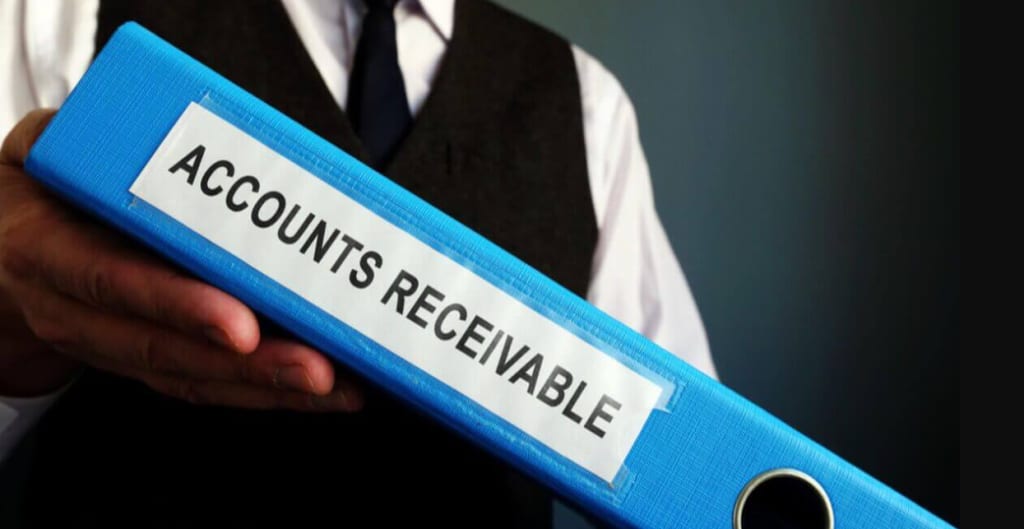
In today’s fast-moving business world, time is money—and cash flow is king. That’s exactly why more U.S. companies, from small startups to midsize service providers, are choosing to outsource accounts receivable services. It’s no longer just a cost-cutting measure. For many, it’s a smart, strategic move that clears up operational bottlenecks, improves collections, and keeps the cash coming in—without the need to bulk up internal teams or stress over late payments.
What Does Outsourcing Accounts Receivable Actually Mean?
Let’s break it down simply: when a business outsources its accounts receivable (AR), it hires an external, specialized service provider to handle all—or most—of the tasks involved in getting paid. That can include sending out invoices, tracking who owes what, following up with customers, handling disputes, and even helping with reconciliation and performance reporting.
In most cases, these providers work directly with cloud-based accounting platforms like QuickBooks, Xero, NetSuite, or Zoho. That means your data stays in sync, your records are accurate, and you gain visibility into your receivables without having to micromanage anything.
Why More U.S. Companies Are Making the Shift
Small business owners, e-commerce startups, and even well-established service providers across the U.S. are starting to see that internal AR processes just aren’t cutting it anymore. Manually tracking invoices in spreadsheets, relying on a part-time bookkeeper, or waiting for busy staff to follow up on late payments leads to unnecessary stress—and worse—unpaid invoices.
Here are some of the biggest reasons American businesses are making the switch:
1. Faster Payments, Better Cash Flow
Outsourced AR teams know how to get invoices paid—fast. They follow proven processes and automate reminders, making sure customers never forget about an outstanding bill. Many businesses that outsource see a significant drop in their Days Sales Outstanding (DSO)—the average number of days it takes to get paid.
2. Lower Overhead Costs
Hiring, training, and retaining in-house finance staff can be expensive—especially if you're not quite big enough to justify a full accounting department. When you outsource, you pay only for what you need. That could be per invoice, per month, or based on collections, depending on the provider.
3. Accurate, Compliant, and Professional
Outsourced teams use consistent, audit-friendly processes and stay up to date on collection regulations, including state-specific rules and federal compliance standards. This is especially important if your business works across multiple states. You also get the peace of mind that invoices are accurate and no follow-ups are being missed.
4. It Frees Up Internal Staff
Let’s face it—most small teams wear too many hats. Instead of having your operations manager or admin assistant chase invoices, outsourcing lets them focus on what they do best. That’s a win-win for productivity and morale.
5. Protects Customer Relationships
Worried that outsourcing collections might annoy your clients? A good AR service acts like an extension of your team. They use professional, friendly communication and escalate only when necessary. In fact, many businesses report better relationships with customers because the process feels more consistent and less personal.
Who Benefits Most from Outsourcing?
Outsourcing AR isn’t just for big corporations. In fact, it’s often small and midsize businesses in the U.S. that see the biggest gains. Here's where outsourcing really shines:
Service providers like legal firms, marketing agencies, design studios, and consultants
Subscription-based companies that bill monthly and need tight control over recurring payments
Manufacturers or wholesalers with complex billing cycles or net-30/60 terms
E-commerce sellers managing high-volume transactions across multiple states
Medical or dental offices juggling insurance claims and self-pay balances
No matter the industry, if you’re sending invoices and waiting on payments, there’s probably room to improve—and outsourcing can help.
What Do These Services Actually Include?
A good AR partner typically offers a full suite of services tailored to your needs. Here’s what’s usually part of the package:
- Invoice creation and email delivery
- Automated reminders (email, phone, or SMS)
- Escalation of overdue accounts
- Reconciliation and payment posting
- Integration with your accounting software
- Monthly performance reporting and dashboards
Customer payment portals for easy access
You can choose a full-service option or just outsource the parts that are giving you the most trouble.
Real Results: A Seattle E-Commerce Case Study
A Seattle-based e-commerce brand saw its growth outpacing its systems. With thousands of transactions a month and growing invoice delays, the team was spending more time chasing payments than scaling the business. Within 60 days of switching to outsourced accounts receivable services, delinquent payments dropped by 40%. Their cash flow improved significantly, and their internal team got back to focusing on marketing and inventory management instead of financial follow-ups.
The customers? They didn’t even notice the shift—except that their reminders were more consistent and helpful.
How to Choose the Right Provider
Not all AR service providers are created equal. Here’s what to look for when picking a partner:
✅ Experience with U.S. businesses
Make sure they understand American invoicing standards and communication styles.
✅ Software integration
Choose a provider that works seamlessly with your current accounting system.
✅ Transparent pricing
Avoid vague fee structures. Look for clear pricing—whether it’s per invoice or a flat monthly fee.
✅ Strong compliance knowledge
This is especially important if your business is regulated or spans multiple states.
✅ Security-first mindset
Ensure they follow proper encryption, data backup, and compliance with laws like GDPR or CCPA.
✅ Good communication style
Ask how they’ll represent your brand during customer contact. Will they be polite, professional, and helpful?
✅ Proven results
Ask for testimonials or case studies, especially from companies similar to yours.
Common Myths About Outsourcing AR
Let’s clear the air on a few common misconceptions:
“I’ll lose control of my customer relationships.”
Actually, most companies gain more visibility with clear reporting and a structured process.
“It’s only for big businesses.”
False. Many small and mid-sized businesses in the U.S. are finding that outsourcing is the best way to scale smart.
“It’s too expensive.”
Most providers offer flexible packages, and the ROI in reduced DSO, fewer write-offs, and time saved often more than pays for itself.
Getting Started: A Quick Roadmap
If you're thinking about outsourcing your AR, here’s a simple way to dip your toes in:
Audit your current AR process – Where are the slowdowns?
Set goals – Faster payments, less admin time, improved DSO, etc.
Talk to providers – Get a few quotes and explore pilot programs.
Start small – Maybe with one segment of clients or one part of the AR process.
Track progress – Monitor metrics like invoice turnaround and cash collected.
Final Thoughts
For U.S.-based businesses looking to streamline operations and get paid faster, choosing to outsource accounts receivable services can be a game-changer. It’s not just about cost savings—it’s about creating a smoother, more professional billing experience that drives better results across the board.
Whether you’re just starting out or hitting growing pains, outsourcing could be the solution that frees up your time, improves your customer relationships, and helps your business scale with confidence.
About the Creator
Outsourced Bookkeeping Solutions
Your financial administration is streamlined by using outsourced bookkeeping services, which assign work to knowledgeable vendors. Save time and money while maintaining fast, correct records and compliance.
Keep reading
More stories from Outsourced Bookkeeping Solutions and writers in Education and other communities.
Why Year End Accounting Matters: A Practical Guide for UK Businesses
When it comes to running a successful business, many owners focus on sales, marketing, and day-to-day operations—often overlooking one of the most critical components of financial management: year end accounting. Whether you’re a small business, a limited company, or a sole trader, understanding and managing your year-end responsibilities is essential for staying compliant, avoiding penalties, and making informed decisions. Year end accounting is not just a legal requirement; it's an opportunity to review performance, plan for the future, and tidy up your financial affairs.
By Outsourced Bookkeeping Solutions5 months ago in Education
The Power of Structure: How Creative Discipline Drives Entrepreneurial Success
Entrepreneurship is often celebrated as a field fueled by bold ideas and relentless creativity. Yet, behind every successful venture lies something far less glamorous but equally essential—discipline. The combination of creativity and discipline forms the foundation of lasting innovation. While creativity sparks ideas, discipline transforms them into action. The balance of these two qualities defines whether an entrepreneur remains a dreamer or becomes a true innovator.
By Kyle McAuley6 days ago in Education
Order Types, Liquidity, and Execution Models in Forex Trading Platforms
Forex trading platforms are systems that help traders connect to the global currency market. Behind every trade, there is a process that decides how orders are sent, matched, and completed. Three main things control this process: order types, liquidity, and execution models. Together, they decide how smoothly trades happen and how fair the prices are. When traders understand these basics, they can trade with more confidence, better control, and fewer surprises.
By james hall6 days ago in Education



Comments
There are no comments for this story
Be the first to respond and start the conversation.