
"Why School Is Important for Children
The Role of School in a Child's Life

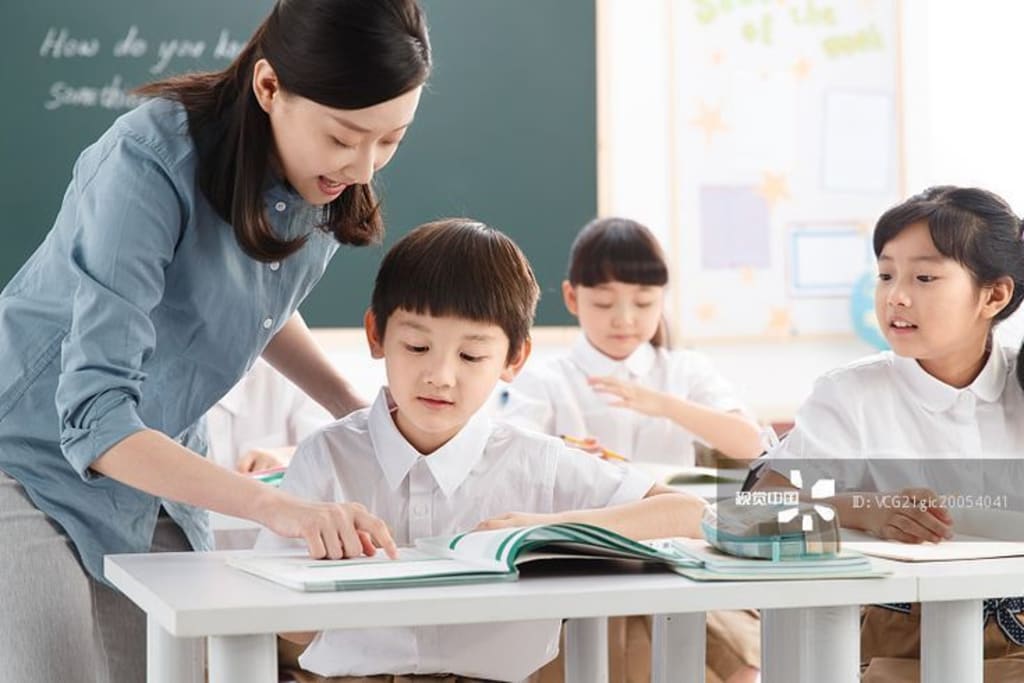
School is one of the most important parts of a child's early life. It is the place where children spend a large part of their day, especially during their growing years. More than just a building with classrooms, school is where children learn how to think, grow, and interact with the world around them. It plays a crucial role in shaping their personalities, values, and skills for the future. Education is a powerful tool that helps children understand the world and prepares them to become responsible and capable adults.
2. Academic Knowledge and Learning Skills
The first and most obvious purpose of school is to give children academic knowledge. In school, children learn to read, write, and count—skills that are essential for daily life. They also study subjects like science, social studies, mathematics, languages, and the arts. These subjects help children develop a broad understanding of the world. Learning how to research, ask questions, solve problems, and think critically all start in the classroom. Without school, most children would not have access to this organized and structured form of learning.
3. Social and Emotional Development
School is also where children learn how to interact with others. It provides a social environment where they meet and make friends, work in groups, and learn to cooperate. These interactions help children build communication skills, empathy, patience, and teamwork. They also learn how to deal with differences, share responsibilities, and resolve conflicts. These are essential life skills that children carry into adulthood. A child who learns how to get along with others in school is more likely to succeed in relationships and the workplace later in life.
4. Discipline and Responsibility
Going to school teaches children discipline and responsibility. They learn the importance of coming on time, wearing uniforms, following rules, and respecting authority. Daily tasks like doing homework, studying for tests, and preparing projects teach children how to manage their time and take responsibility for their work. These habits build a sense of routine and structure in a child's life. Such discipline is important not only for academic success but also for personal growth and future career readiness.
5. Discovering Talents and Interests
Schools offer a wide range of subjects and activities that help children explore their interests and talents. From art and music to sports, science fairs, drama clubs, and debates, children get the opportunity to try new things. These experiences can help children discover what they enjoy and what they are good at. A child who enjoys drawing might become an artist, while one who loves solving math problems might become an engineer. Identifying and nurturing talents early can give children a strong sense of purpose and direction in life.
6. Health and Physical Development
A good school doesn’t focus only on academics—it also promotes physical health and emotional well-being. Physical education classes, games, and sports help children stay active and learn the importance of exercise. Children also receive lessons on nutrition, hygiene, and healthy habits, which shape their lifestyle choices. In addition, schools provide access to counselors and support systems to help students manage stress, anxiety, and other emotional challenges. A healthy body and mind are necessary for overall development and learning.
7. Preparing for the Future
School prepares children for the future in many ways. Beyond academic skills, it teaches them how to work hard, set goals, and face challenges. These are qualities they will need in college, jobs, and everyday life. Children also learn about society, citizenship, and the environment, which prepares them to become active and responsible members of their communities. In a world that is constantly changing, schools help children adapt to new technologies and ideas, making them ready for a successful life in the modern world.
8. Equal Opportunities for All
One of the most powerful things about education is that it gives every child a fair chance. No matter their background, race, or income level, school offers all children the same opportunity to learn and grow. In many cases, education can help break the cycle of poverty and open doors to better job opportunities and a brighter future. When a society invests in its children’s education, it builds a more equal, just, and prosperous future for everyone.
9. Conclusion: School as the Key to a Brighter Future
In conclusion, school is far more than just a place for reading books and taking exams. It is the foundation on which a child builds their future. School plays a critical role in academic, emotional, social, and physical development. It teaches children how to think, act, and dream. More importantly, it helps them become good human beings and active citizens. Every child deserves access to quality education because the future of a nation depends on the education of its youngest citizens. Investing in schools is investing in a better world.
About the Creator
Hasnain khan
"Exploring the world through words. Join me as I unravel fascinating stories, share insightful perspectives, and dive into the depths of curiosity."
Keep reading
More stories from Hasnain khan and writers in Education and other communities.
Why Becoming a Doctor Is Important
Choosing to become a doctor is not just a career decision — it is a lifelong commitment to serving humanity. Doctors play a central role in society by preserving health, treating illness, and offering hope to individuals and families. The importance of becoming a doctor goes beyond the white coat; it touches lives, builds communities, and contributes to global progress. In this essay, we explore the reasons why the medical profession is not only vital but also deeply meaningful.
By Hasnain khan7 months ago in Education
Is Pharmacy Tech a Good Career Choice for 2026?
Given the recent shifts in the market and AI automation, people are now well aware that economic shakeups can drastically hinder their income sources. This is causing a lot of people to switch careers, and a majority of people are targeting healthcare roles. However, not all allied healthcare roles are created equal. Also, you can aim to become a medical assistant, but if you do not want to deal with patients, the ideal role for you is that of a Pharmacy Technician.
By Meaghan Howe3 days ago in Education



Comments
There are no comments for this story
Be the first to respond and start the conversation.