

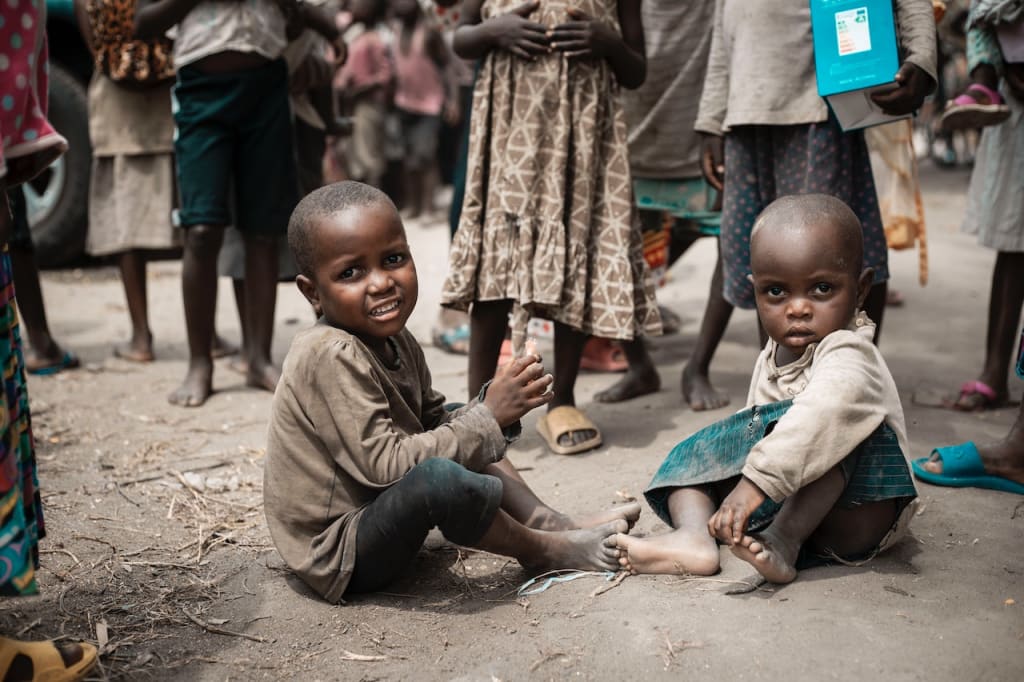
The root causes of poverty are intricate and multifaceted, and they can differ greatly depending on the particular situation and area. It is crucial to understand that poverty frequently results from a confluence of institutional, economic, social, and political variables rather than just being the direct result of one person's actions. There are numerous typical causes of poverty, some of which include:
Lack of Education: Poor people and their communities may suffer from a lack of access to high-quality education. Without education, it is more difficult for individuals to escape the cycle of poverty and find better employment possibilities.
High levels of unemployment or underemployment can result in insufficient revenue to cover essential expenses.
Economic Factors: Poverty may be exacerbated by economic downturns, recessions, or a lack of employment prospects in some areas.
Social and gender inequality: Limiting access to opportunities and resources for some groups as a result of discrimination and inequality based on traits like gender, race, ethnicity, or caste can keep people in poverty.
Health Concerns: Poor health or a lack of access to healthcare can cause workers to be less productive and incur more medical costs, which can put them in poverty.
Lack of Infrastructure: Poor roads, restricted access to clean water, and unstable energy are examples of inadequate infrastructure that can impede economic growth and employment prospects in some regions.
Political instability: Societies that experience political unrest, fraud, and poor leadership may find it difficult to implement successful initiatives for reducing poverty and luring investors.
Natural catastrophes may wreak havoc on communities by destroying houses, crops, and sources of income, making it challenging for people to recover and start over.
Because of the restricted possibilities and resources that children born into poor families may have, poverty can frequently pass down through generations.
Rapid urbanization can cause overpopulation in urban areas, which can result in poor infrastructure and few job prospects, pushing people into slums and poverty. This phenomenon is known as rural-urban migration.
Global Economic Imbalances: Due to global economic inequalities, some nations or regions may be exploited or marginalized, making it difficult for them to escape poverty.
Debt and Financial Vulnerability: A cycle of poverty can ensnare people and families that have a lot of debt, especially when that debt comes with high interest rates.
It's crucial to recognize that poverty is a complicated problem that calls for all-encompassing measures that address its multiple core causes. These tactics can involve putting money into education, opening up employment opportunities, advancing gender equality, enhancing healthcare, putting in place social safety nets, and encouraging sustainable economic growth.
In summary, poverty is a complex issue with a number of underlying reasons. It is the outcome of a complex interplay of systemic, economic, social, and political elements rather than just one person's choices. The prevalence of poverty in various regions and communities can be attributed to a number of factors, including a lack of education, unemployment, social inequality, health problems, poor infrastructure, political unrest, natural disasters, and global economic imbalances.
Effective measures that address poverty's core causes must be comprehensive and focused. These tactics can entail expanding access to high-quality education, opening up employment possibilities, advancing social and gender equality, upgrading healthcare systems, putting in place social safety nets, and encouraging sustainable economic growth. Efforts to combat poverty should also take into account the particular circumstances and difficulties that each community or region faces.
Governments, NGOs, businesses, and individuals must all work together to make permanent, good change in order to reduce poverty and build a more fair society. Societies can work to create a more inclusive society where everyone can live in prosperity by comprehending and resolving the various causes of poverty.
About the Creator
Marvin Abon
Be the center of your own show.
Keep reading
More stories from Marvin Abon and writers in Education and other communities.
Education Matters !
What is Education ? Education is the process of obtaining information, abilities, beliefs, and attitudes through a variety of experiences and learning opportunities. Learning and personal growth are a lifelong process that start in the infancy and last the entirety of one's existence.
By Marvin Abon3 years ago in Education
The Balanced Parent: Embracing Parenthood Without Losing Yourself
In today’s fast-paced society, the demands on parents have never been higher. From managing work deadlines to preparing meals and helping with homework, the modern parent juggles countless responsibilities daily. Amid all this, it’s easy to feel overwhelmed. Yet, being a hands-on parent is one of life’s most rewarding roles when approached with intention and heart.
By Alfonso Kennard5 days ago in Education


Comments
There are no comments for this story
Be the first to respond and start the conversation.