
Education Matters !
We should value our Education at all cost.

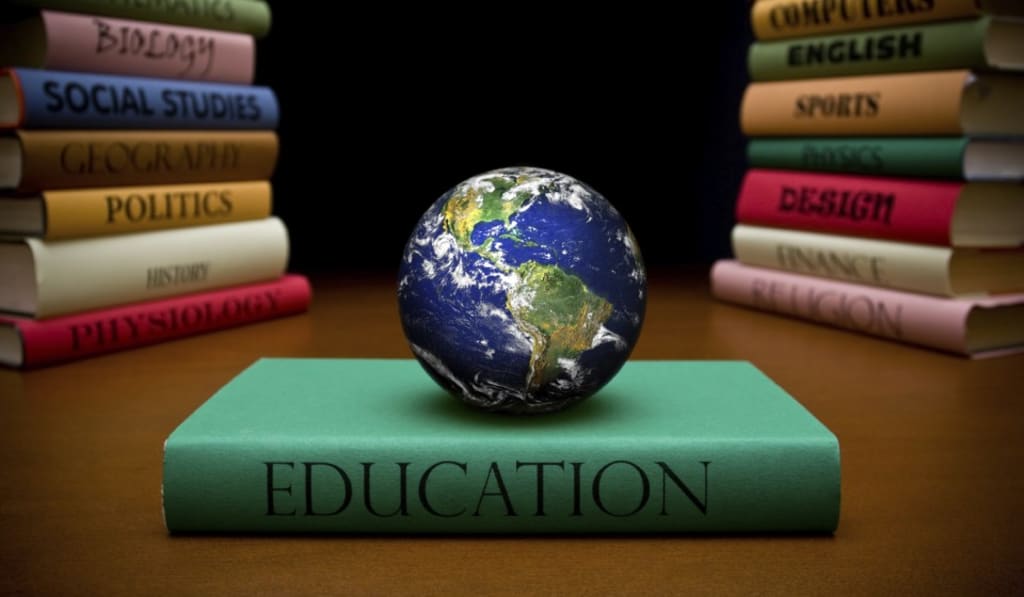
What is Education ?
Education is the process of obtaining information, abilities, beliefs, and attitudes through a variety of experiences and learning opportunities. Learning and personal growth are a lifelong process that start in the infancy and last the entirety of one's existence.
Education's important components include:
Formal Learning: In this style of education, students follow a prescribed curriculum while being instructed by teachers or educators in structured environments like schools, colleges, and universities.
Informal Education: Outside of formal institutions, informal education takes place in daily life. Experiences from interactions with friends, family, the community, the media, and the environment are included.
Non-Formal Learning: Activities that are planned, deliberate, and organized but do not necessarily adhere to a set academic curriculum are referred to as non-formal education. Programs for skill development and vocational training are a few examples of these.
Holistic development: Education attempts to promote people's intellectual, emotional, social, and physical growth, preparing them for fulfilling and fruitful lives.
Culture transmission: Education contributes to the transmission of cultural customs, values, and heritage from one generation to the next.
Life preparation: Education gives people the problem-solving, critical thinking, and adaptive skills they need to take on the opportunities and challenges of life.
Empowerment: Education gives people the knowledge and abilities they need to make wise decisions, take part in society, and give back to their communities.
Socialization: Education helps people integrate into society by teaching them appropriate social behavior, manners, and interpersonal skills.
Innovation and research: Education encourages the creation of fresh concepts, cutting-edge technologies, and breakthroughs in a variety of sectors.
Global Awareness: In a linked world, education fosters a better understanding of other people's cultures, which in turn fosters empathy and cooperation amongst other groups.
Education encompasses many facets of life and is not only restricted to the conventional classroom setting. It can be self-directed, experiential, ongoing, and inclusive of both conceptual understanding and real-world application. In the end, education is a potent weapon for individual development, societal progression, and all three.
Why education is crucial ? For many reasons, education is important for both individuals and society as a whole. Here are some main arguments in favor of education:
- Empowerment and Personal Development: Education provides people with the information, knowledge, and skills they need to make wise decisions in both their personal and professional lives. It gives people the power to change their circumstances, follow their passions, and realize their objectives.
- Economic Development: Education is essential for a nation's economic growth. A workforce with more education is more innovative and productive, which raises economic output and raises citizens' standards of living.
- Reduced Poverty and Inequality: Breaking the cycle of poverty can be done with the help of education. It gives people the chance to get better employment and make more money, which lessens economic disparity in society.
- Enhanced Social Mobility: Education can create chances for social mobility and level the playing field. It enables people from underprivileged backgrounds to advance socially and reach higher socioeconomic levels
- Education facilitates critical thinking, civic involvement, and a greater comprehension of societal issues. It also promotes democracy and citizenship. Citizens who are well-informed and educated are more likely to take part in democratic processes and make positive contributions to their communities.
- Health and Well-Being Gains: Education is associated with improved health outcomes. People with higher levels of education are more likely to obtain healthcare, adopt healthier lifestyle choices, and comprehend health-related information.
- Cultural and Social Awareness: Education exposes people to a variety of cultures, viewpoints, and ideas, developing tolerance and understanding across other populations and helping to create a society that is more inclusive.
- Environmental knowledge: Education is essential in raising people's knowledge of environmental problems and sustainable practices and enabling them to act responsibly to protect the environment.
- technical Progress: A society with a higher level of education is better able to adapt to and contribute to technical breakthroughs, spurring creativity and advancement in a variety of disciplines.
- Global Competitiveness: In a world that is becoming more interconnected, education is essential for a country to be competitive on the world stage. Economies around the world are more likely to prosper in nations with educated people.
In general, education is the cornerstone upon which societies can develop and flourish. It gives people the power to live happy lives, make a positive impact on their communities, and reimagine the future for future generations.
how education changes our life?
Our lives are significantly impacted by education, which brings about improvements and shapes our individual and societal growth. Following are a few ways that education affects our lives:
Knowledge and Skills: Education provides us with knowledge and the fundamental skills we need to advance both personally and professionally. It deepens our understanding of the world, empowering us to take wise decisions and successfully deal with a range of issues.
Empowerment: Education enables people to take charge of their lives by providing them with the necessary tools. It helps us develop a sense of independence and self-assurance, which enables us to set and tenaciously pursue our goals.
Economic prospects: Getting a well-rounded education opens up better job and career prospects. It raises employability, earning potential, and work security, which might result in an improvement in one's financial situation.
Problem-Solving and Critical Thinking: Education fosters analytical abilities that help us assess data, address issues, and arrive at sound judgments. In both the personal and professional spheres of life, these abilities are beneficial.
Social mobility: Through education, obstacles to social and economic inequalities can be broken. It gives people from underprivileged origins the possibility to change their situation and achieve social mobility.
Health and wellbeing: Education helps people live healthier lives. People who have higher education are more likely to adopt better lives, use healthcare services, and make wise decisions regarding their health.
Personal Satisfaction: By exposing us to a variety of subjects, arts, and experiences, education enriches our lives. It broadens our perspectives and promotes a lifelong interest in learning, which results in personal development and fulfillment.
Improved Relationships and Communication: Education improves communication abilities, allowing people to express themselves more clearly and form deeper connections with others.
Social and Civic Engagement: Education stimulates active community involvement and fosters a sense of civic responsibility. People with higher levels of education are more likely to become involved in societal concerns, promote constructive change, and otherwise advance society.
Cultural awareness and tolerance: Education fosters tolerance and respect for persons from all backgrounds by building an understanding of and appreciation for various cultures.
Education is the key to driving both creativity and growth in society. It promotes investigation, creation, and the communication of novel concepts, resulting in improvements in a number of sectors.
Environmental Stewardship: Education raises awareness of the need for sustainability and the problems facing the environment. People with more education are more likely to adopt environmentally beneficial habits and support environmental conservation activities.
In conclusion, education is a transforming force that raises people up both personally and socially by developing abilities, cultivating positive attitudes, and advancing knowledge. It influences not only our own achievement and personal improvement, but it also advances the development and general welfare of the community.
About the Creator
Marvin Abon
Be the center of your own show.
Keep reading
More stories from Marvin Abon and writers in Education and other communities.
WHY POVERTY EXISTS
The root causes of poverty are intricate and multifaceted, and they can differ greatly depending on the particular situation and area. It is crucial to understand that poverty frequently results from a confluence of institutional, economic, social, and political variables rather than just being the direct result of one person's actions. There are numerous typical causes of poverty, some of which include:
By Marvin Abon3 years ago in Education
Eating with Purpose: How Smart Nutrition Transforms Health and Lifestyle
Smart nutrition has emerged as a critical element of modern wellness, emphasizing intentional, balanced, and sustainable dietary choices. Unlike restrictive or fad diets that prioritize short-term results, smart nutrition focuses on long-term health, encouraging a thoughtful approach to the foods we consume daily. By understanding how nutrients affect the body, individuals can enhance energy, optimize performance, and foster mental clarity. This holistic approach reshapes not only physical health but also lifestyle habits, creating meaningful and lasting transformations.
By Matthew Pothoff6 days ago in Education


Comments
There are no comments for this story
Be the first to respond and start the conversation.