
Why Mental Health Matters: Tips and Strategies for Coping with Stress and Anxiety
Coping with Stress and Anxiety

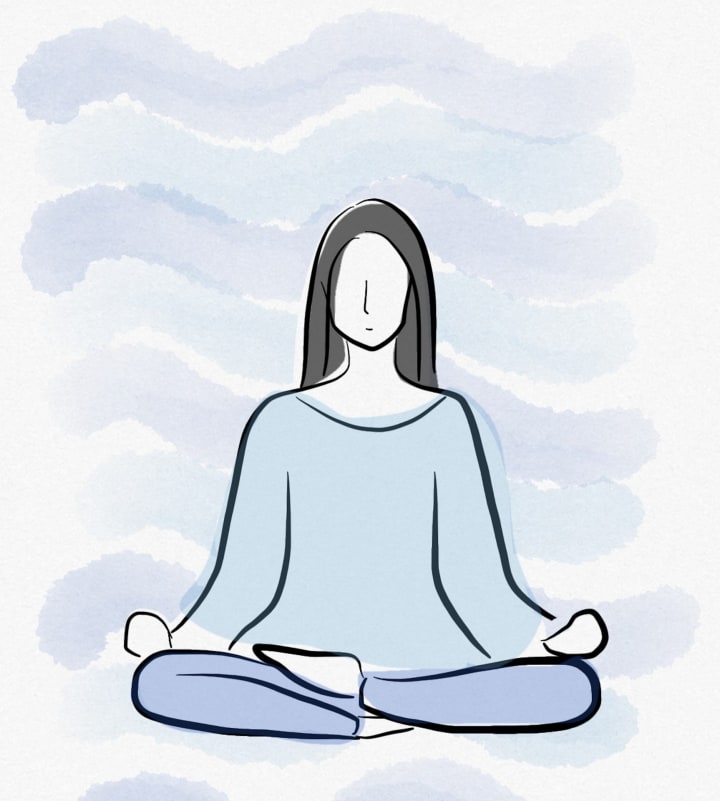
Mental health is an essential aspect of our overall well-being. It is the state of our psychological and emotional well-being, which can affect our thoughts, feelings, and behavior. In recent times, mental health has been gaining more attention, and with good reason. Stress, anxiety, and other mental health issues are on the rise, affecting millions of people worldwide.
The World Health Organization (WHO) defines mental health as "a state of well-being in which an individual realizes their own abilities, can cope with the normal stresses of life, can work productively, and can contribute to their community." Mental health is a crucial part of our overall health and well-being, and it is essential to take care of it.
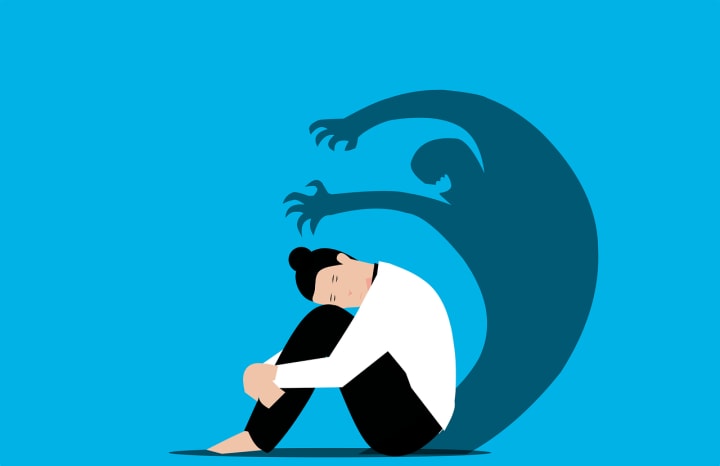
Stress and anxiety are common mental health issues that affect millions of people worldwide. They can be caused by various factors, including work pressure, financial problems, relationship issues, and other life events. While it is normal to experience stress and anxiety occasionally, it can become a problem when it persists over a long period.
Chronic stress and anxiety can have negative effects on our physical and mental health, leading to more severe issues such as depression, insomnia, and even physical illnesses such as high blood pressure, heart disease, and diabetes.
It is essential to take steps to manage stress and anxiety before it becomes a severe problem. In this article, we will discuss tips and strategies that can help you cope with stress and anxiety.
1. Identify the cause of your stress and anxiety
The first step to managing stress and anxiety is to identify the cause. Take some time to reflect on what may be causing you to feel stressed or anxious. It could be work-related, relationship issues, financial problems, or even health concerns.
Once you have identified the cause, you can start taking steps to manage it. For example, if work-related stress is causing you to feel anxious, you could consider talking to your boss about workload or taking breaks throughout the day to relax.

2. Practice relaxation techniques
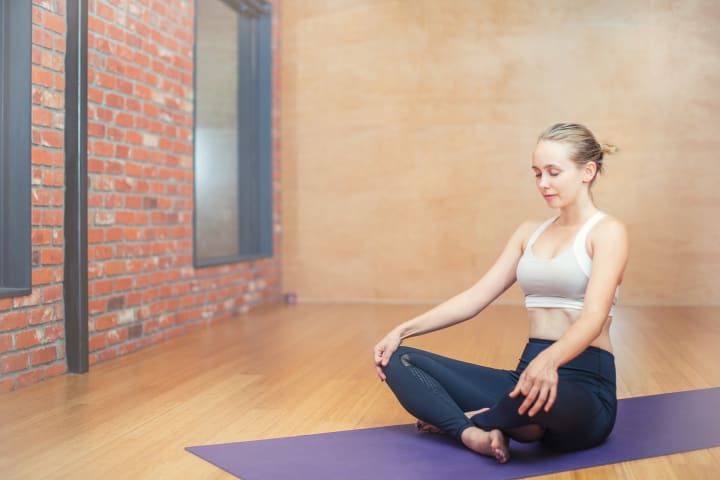
Relaxation techniques such as meditation, deep breathing, and yoga can help you manage stress and anxiety. These techniques can help you calm your mind and body, reducing feelings of stress and anxiety.
Find a quiet place where you can relax and focus on your breathing. Close your eyes and take slow, deep breaths, inhaling and exhaling slowly. You can also try yoga or other forms of exercise that promote relaxation and mindfulness.

3. Get enough sleep
Sleep is crucial for our physical and mental health. Lack of sleep can make us feel more stressed and anxious, leading to more severe health issues. Aim to get at least 7-8 hours of sleep each night to feel well-rested and refreshed.
Create a sleep-friendly environment by keeping your bedroom quiet, dark, and cool. Avoid using electronic devices before bedtime, as the blue light emitted by these devices can interfere with your sleep.
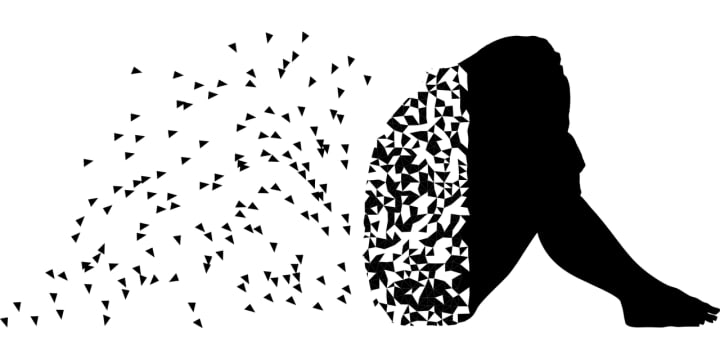
4. Stay active
Exercise is a great way to reduce stress and anxiety. Physical activity releases endorphins, which are natural mood-boosters. Regular exercise can also help you sleep better, which can reduce feelings of stress and anxiety.
Find an activity that you enjoy, such as walking, jogging, or swimming, and aim to do it for at least 30 minutes each day. You can also try incorporating physical activity into your daily routine, such as taking the stairs instead of the elevator or going for a walk during your lunch break.
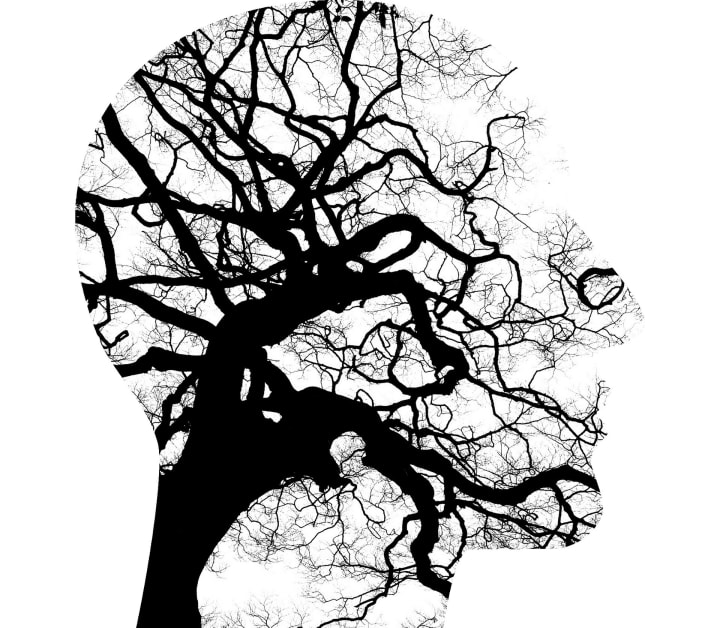
5. Connect with others
Social support is crucial for our mental health. Connecting with others can help us feel less isolated and more supported, reducing feelings of stress and anxiety.
Take time to connect with friends and family regularly. You can also consider joining a support group or seeking professional help if you are struggling with severe stress or anxiety.
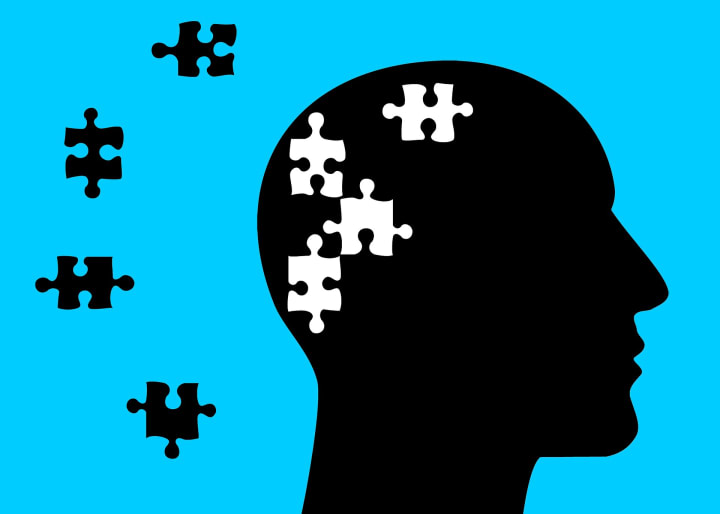
6. Practice self-care
Self-care refers to activities that we do to take care of our physical, mental, and emotional well-being. It can include activities such as taking a warm bath, reading a book, or listening to music.
Make self-care a priority in your life. Schedule time each day to do something that makes you feel good, even if it is just for a few minutes. Taking care of yourself can help you feel more relaxed, energized, and better able to cope with stress and anxiety.
7. Eat a balanced diet
What we eat can also affect our mental health. Eating a balanced diet with plenty of fruits, vegetables, whole grains, and lean proteins can help us feel better both physically and mentally.
Avoid consuming too much caffeine, alcohol, and processed foods, as they can contribute to feelings of stress and anxiety. Try to eat regular, balanced meals throughout the day to keep your energy levels stable.
8. Seek professional help if needed
If you are struggling with severe stress or anxiety, seeking professional help can be beneficial. A mental health professional can help you identify the cause of your stress and anxiety and provide you with tools and strategies to manage it.
Consider talking to your doctor or a mental health professional if your stress and anxiety are interfering with your daily life. They can help you develop a treatment plan that is tailored to your needs and goals.

In conclusion, mental health is an essential aspect of our overall well-being. Stress and anxiety can affect our mental, emotional, and physical health, leading to more severe issues if left untreated. It is essential to take steps to manage stress and anxiety, such as identifying the cause, practicing relaxation techniques, getting enough sleep, staying active, connecting with others, practicing self-care, eating a balanced diet, and seeking professional help if needed.
Remember that managing stress and anxiety is a process, and it may take some time to find what works best for you. Be patient and kind to yourself as you work to improve your mental health and well-being. By taking care of your mental health, you can live a happier, healthier, and more fulfilling life.
About the Creator
Keep reading
More stories from Abhishek Sharma and writers in Education and other communities.
The Rise of NFTs: Exploring the Future of Digital Art and Collectibles
Over the past year, the world has witnessed the meteoric rise of non-fungible tokens (NFTs). NFTs are digital assets that represent ownership of a unique item or piece of content, such as artwork, music, and even tweets. The concept of NFTs is not new, but it has gained widespread attention in recent times, thanks to high-profile sales of NFT-based artwork, including Beeple's "The First 5000 Days," which sold for $69 million at Christie's auction house in March 2021. This massive sale, along with several other high-profile NFT sales, has put the spotlight on the future of digital art and collectibles.
By Abhishek Sharma3 years ago in Education
How Toys Shape Young Minds and Inspire Lifelong Learning
Toys aid in development by providing children with the opportunity for exploration, stimulus for creativity and development of life skills. While playing with toys from infancy, children develop cognitively and emotionally. Toys have not only been used as objects of play and amusement, but also as a tool for imagination, exploration, and emotional development. The toy industry has had to adapt and grow with new educational models, innovations in design, and interactivity to meet children's modern developmental needs. By today, toys are not only for entertainment, they also carry the potential to shape how children think and interact with the world.
By Rohit Shah5 days ago in Education
Maximize Efficiency With 3D Animation Outsourcing Today
Deadlines are getting tighter. Budgets are under pressure. Creative expectations keep rising. Many studios, agencies, and product teams feel the squeeze when animation projects pile up faster than in-house resources can handle. That’s where 3D Animation steps in as a powerful production tool, one that doesn’t have to drain your time or team when handled strategically. By outsourcing the right way, companies unlock speed, flexibility, and consistent quality without sacrificing creative control.
By Lily Nobleta day ago in Education


Comments
There are no comments for this story
Be the first to respond and start the conversation.