
The Rise of NFTs: Exploring the Future of Digital Art and Collectibles
Non-Fungible Token (NFT)
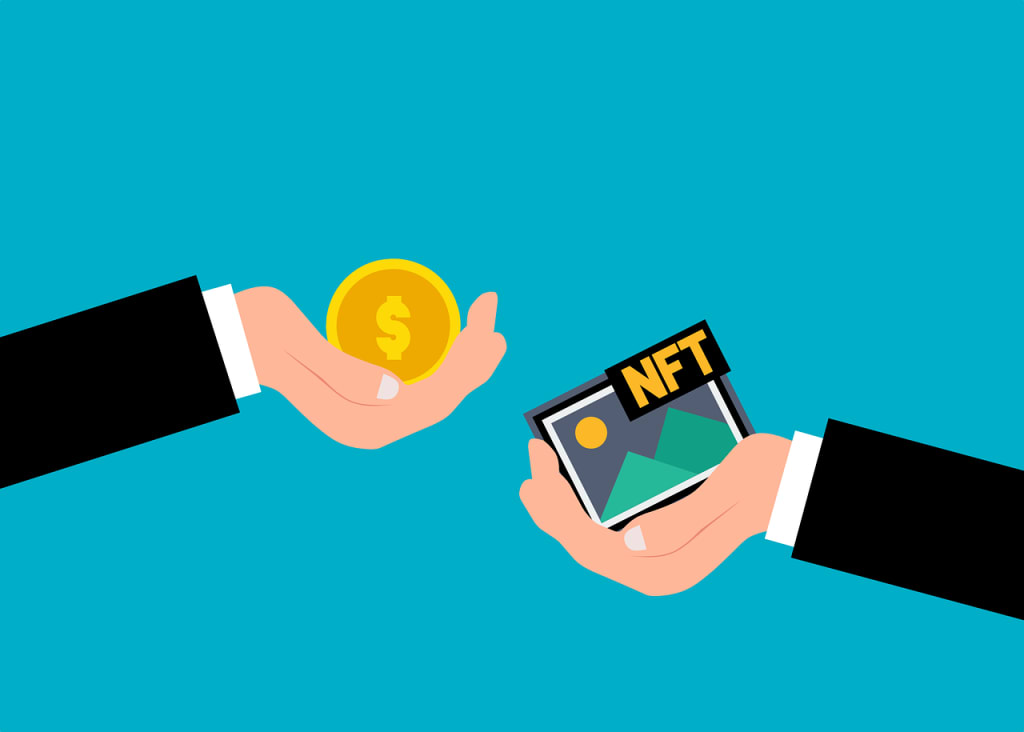

Over the past year, the world has witnessed the meteoric rise of non-fungible tokens (NFTs). NFTs are digital assets that represent ownership of a unique item or piece of content, such as artwork, music, and even tweets. The concept of NFTs is not new, but it has gained widespread attention in recent times, thanks to high-profile sales of NFT-based artwork, including Beeple's "The First 5000 Days," which sold for $69 million at Christie's auction house in March 2021. This massive sale, along with several other high-profile NFT sales, has put the spotlight on the future of digital art and collectibles.
NFTs use blockchain technology, which is a decentralized digital ledger that records transactions. This makes NFTs tamper-proof, transparent, and easily verifiable. When an NFT is purchased, the ownership rights of that digital asset are transferred to the buyer, who can prove their ownership of the asset using the blockchain. This means that the buyer can sell, trade, or transfer their ownership of the asset to someone else, just like physical assets.
The popularity of NFTs has exploded in recent times, with artists, musicians, and creators from all over the world embracing the technology to showcase their work and monetize their creations. For artists, NFTs offer a new way to monetize their digital work, which was previously difficult to sell or showcase. With NFTs, artists can create a unique piece of digital art, mint it as an NFT, and sell it to collectors, who can then trade or sell the artwork in the future. This means that artists can create a sustainable income stream by monetizing their digital creations.

NFTs have also opened up a new world of possibilities for collectors. With NFTs, collectors can buy and sell digital assets with ease, without worrying about the authenticity or provenance of the asset. NFTs provide a secure and transparent way for collectors to own and trade digital assets, which was previously not possible. With the rise of NFTs, the world of collecting has shifted from physical to digital assets, offering new opportunities for collectors to build their collections and invest in digital art.
The future of digital art and collectibles is closely tied to the rise of NFTs. The technology has created a new market for digital art, which was previously considered to be less valuable than physical art. However, with the rise of NFTs, digital art has gained newfound respect and value, with some NFT-based artwork selling for millions of dollars. This has created a new economy for artists, who can now monetize their digital work and earn a living from it.
The rise of NFTs has also opened up new avenues for creativity. With NFTs, artists can experiment with new forms of digital art and explore new ways to engage with their audience. NFTs have also sparked a new wave of collaboration between artists and collectors, who can work together to create unique and valuable digital assets. This has created a new ecosystem for digital art, where artists, collectors, and creators can come together to create and trade digital assets.

Despite the many benefits of NFTs, there are also some concerns about the technology. One of the main criticisms of NFTs is their environmental impact. NFTs are created using blockchain technology, which requires a significant amount of energy. The energy consumption of NFTs has raised concerns about the carbon footprint of the technology, which is already a major concern in the art world. However, there are efforts underway to create more eco-friendly NFTs, which could help address these concerns.
Another concern about NFTs is their accessibility. While NFTs have opened up new opportunities for artists and collectors, not everyone has the means to participate in the NFT market. The high prices of NFT-based artwork and collectibles may be out of reach for many people, particularly those who are not familiar with the technology. This has led to concerns about the elitism of the NFT market and the potential exclusion of less privileged individuals from the digital art and collectibles ecosystem.
Despite these concerns, the rise of NFTs has created a new and exciting future for digital art and collectibles. With NFTs, artists can showcase their work and earn a living from their digital creations, while collectors can invest in unique and valuable digital assets. NFTs have created a new market for digital art, which was previously considered to be less valuable than physical art, and have sparked a new wave of creativity and collaboration in the art world.

The future of NFTs is likely to be shaped by several key trends. One of these trends is the increasing use of NFTs in the gaming industry. NFTs can be used to represent unique in-game items, such as weapons, skins, and other virtual assets. This creates a new market for gamers, who can trade and sell their in-game assets using NFTs. The gaming industry is already exploring the potential of NFTs, and this trend is likely to continue in the future.
Another trend is the integration of NFTs into social media platforms. Several social media platforms, including Twitter and TikTok, are experimenting with NFTs, allowing creators to mint their content as NFTs and sell them to their followers. This creates a new revenue stream for creators and provides a new way for social media users to engage with digital content.
Finally, the future of NFTs is likely to be shaped by the increasing focus on eco-friendliness and sustainability. The high energy consumption of blockchain technology has raised concerns about the environmental impact of NFTs. However, there are efforts underway to create more eco-friendly NFTs, which could help address these concerns. In addition, the focus on sustainability is likely to lead to the creation of new forms of digital art and collectibles, which are designed to be more environmentally friendly.

In conclusion, the rise of NFTs has created a new and exciting future for digital art and collectibles. NFTs have opened up new opportunities for artists, musicians, and creators to monetize their digital work and earn a living from their creations. NFTs have also created a new market for collectors, who can invest in unique and valuable digital assets. While there are concerns about the environmental impact and accessibility of NFTs, the technology is likely to continue to shape the future of digital art and collectibles in the coming years. As the technology continues to evolve, we can expect to see new and innovative uses for NFTs, as well as a continued focus on sustainability and accessibility.
About the Creator
Keep reading
More stories from Abhishek Sharma and writers in Education and other communities.
The Future of Sustainable Fashion: With the fashion industry being one of the biggest polluters globally, readers are interested in sustainable fashion and how it will shape the future of the industry.
The fashion industry has long been a major contributor to global pollution, with textile production and manufacturing processes generating a significant amount of waste and emitting greenhouse gases. However, in recent years, there has been a growing movement towards sustainable fashion, with brands and consumers alike becoming more aware of the impact that fashion has on the environment and the need to make changes.
By Abhishek Sharma3 years ago in Education
A Letter to the Firestarter
Dear Firestarter, We can all see you, we've been watching you since you began. In case you didn't know we were here before you and we will be here after. We witnessed your rise, your setbacks, your guilt and your lies. We witnessed you start the fire.
By Donny Foley2 days ago in Poets



Comments
There are no comments for this story
Be the first to respond and start the conversation.