
Why It Sucks to Be a Brothel Boy (in Qing Dynasty)
The Forgotten Tears of Exploited Boys in Qing Dynasty Brothels

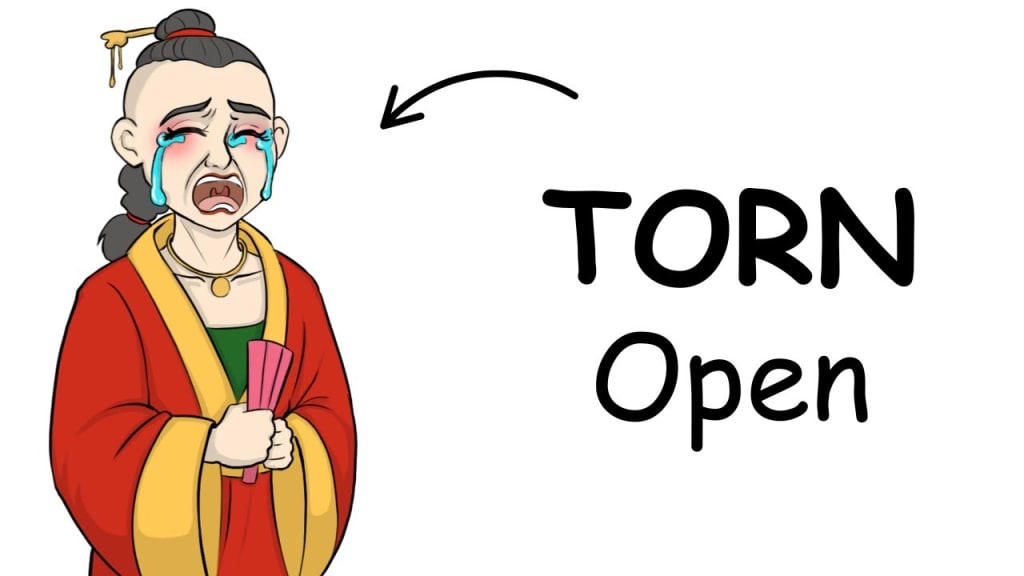
When people think of the Qing Dynasty, they often imagine ornate palaces, mighty emperors, or the rigid Confucian order that dictated society. But hidden behind those golden screens and silken robes were countless lives of hardship.
Among the most tragic were the brothel boys—young males forced into the dark underworld of prostitution. Their existence was often erased from official records, but their pain was very real. Being a brothel boy in the Qing Dynasty was not only degrading but dangerous, both physically and emotionally.
Stolen Youth and Forced Entry
Most boys who ended up in brothels during the Qing Dynasty didn’t walk there willingly. Many were kidnapped, sold by impoverished families, or lured under false promises of work.
In a society where survival often meant sacrifice, desperate parents might sell a child into servitude, not realizing the horrors that awaited them. Once inside a brothel, these boys lost their names, their families, and their freedom. They became property, not people, their futures dictated by profit and cruelty.
A Life of Exploitation
Unlike courtesans who could sometimes wield charm, beauty, and poetry to gain favor, brothel boys had almost no agency. They were trapped in a cycle of sexual exploitation, catering to the desires of wealthy elites or corrupt officials who treated them as disposable playthings.
Survival meant submission. To resist or complain often resulted in brutal beatings, starvation, or worse.
Their lives revolved around pleasing others—learning how to act, sing, or perform to entertain before the inevitable exploitation. The combination of humiliation, fear, and violence tore apart their sense of identity, leaving them broken long before adulthood.
Physical and Emotional Suffering
The human body can only endure so much abuse, and for brothel boys, suffering was constant. Poor hygiene, malnutrition, and untreated diseases spread rapidly within brothels. Many contracted infections or illnesses with little chance of medical care.
The emotional toll was equally devastating. Growing up in an environment where trust, safety, and love did not exist meant that many boys lost their ability to form healthy bonds later in life.
Crying was often the only outlet, but even tears were punished. Silence and endurance were demanded, even as they were torn apart physically and emotionally. The word “torn open,” though harsh, painfully describes what many of these children endured behind closed doors.
Stigma and Social Erasure
Even if a boy managed to escape the brothel life, society rarely accepted him back. The Qing Dynasty upheld strict Confucian values of filial piety, chastity, and hierarchy. To be associated with prostitution—especially as a male—was to be marked with shame.
Former brothel boys carried a lifelong stigma that shut them out from marriage, respectable work, or community belonging. They were erased not just from official history but from society’s memory, forced to live as shadows of men.
No Path to Redemption
For some courtesans, there was a slim chance of finding a wealthy patron who might buy their freedom. For brothel boys, this was far less likely. Most clients saw them as temporary amusements, not companions worth investing in.
Without a savior, many spent their entire short lives trapped in the brothel system until illness or despair consumed them. Their stories ended quietly, unmarked, and unmourned.
The Silent Victims of Empire
The Qing Dynasty may be remembered for its grandeur, its military conquests, and its cultural achievements, but beneath that history were the forgotten cries of the powerless. Brothel boys were among the most silenced victims.
Their lives show how deeply inequality, poverty, and corruption could destroy the most vulnerable.
Being a brothel boy in the Qing Dynasty meant living a life stolen from birth, a body treated as property, and a soul denied peace. It was a life of wounds—both physical and invisible—that rarely healed.
If history teaches us anything, it is that not all suffering leaves monuments; some is buried in the tears of those too broken to be remembered.
About the Creator
Be The Best
I am a professional writer in the last seven months.
Keep reading
More stories from Be The Best and writers in Education and other communities.
What Raquel Zamora Says She’ll Bring to LAUSD Board District 2
“LAUSD has some of the strongest special education services in the nation." — Raquel Zamora In the 2022 election, Dr. Rocío Rivas won the race to fill the Board District 2 seat that was held by Monica García, who was forced from office due to term limits. In her first attempt at re‑election, Rivas will face Raquel Zamora. With only two candidates on the ballot, the June 2, 2026, primary will be a winner‑take‑all contest.
By Carl J. Petersen4 days ago in Education
Foreclosure vs. Short Sale: 7 Key Differences Every Real Estate Pro MUST Know
You are driving through a target neighborhood and spot a classic "diamond in the rough." The lawn is overgrown, mail is spilling out of the box, and the shutters are hanging by a thread. To the untrained eye, it is just a neglected house. To a seasoned real estate professional, it is a potential high-margin opportunity.
By REI Data Solutions5 days ago in Education
The First Rainbow Baby
Pitter-patter, pitter-patter. The rain fell in rhythmic splatters, slowly slowing, but still constant. Mira rolled onto her side pulling the blanket tight against her ears, but still she could hear chitter-chatter and scurrying feet of the creatures that refused to sleep in the lower decks.
By A. J. Schoenfeld2 days ago in Fiction


Comments
There are no comments for this story
Be the first to respond and start the conversation.