
Why Handmade Furniture Still Matters in the Age of Automation
Celebrating Craftsmanship, Sustainability, and the Timeless Value of the Human Touch
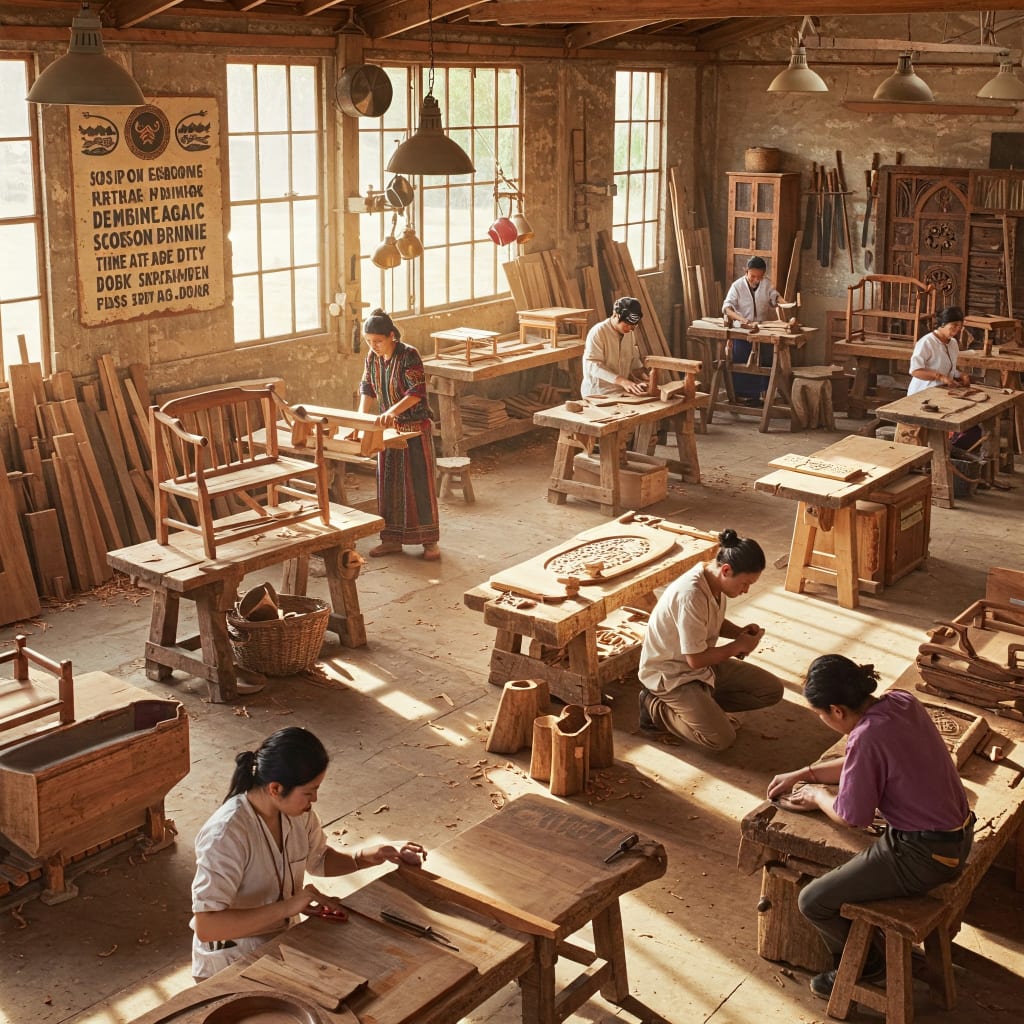
In today’s fast-paced world, where convenience and efficiency often drive consumer choices, automated manufacturing has taken center stage. From self-driving cars to AI-generated art, machines are transforming how we live, work, and create. In the furniture industry, automation has led to faster production, lower costs, and uniform products. However, even amid this technological evolution, handmade furniture continues to hold unique appeal—and for good reason. It embodies craftsmanship, tells a story, and offers a level of quality and meaning that mass-produced pieces often lack.
Handmade furniture is a testament to the artisan’s skill, patience, and dedication. Each piece reflects hours—sometimes days—of labor, where human hands carefully cut, carve, join, and finish materials with precision. Unlike machine-made items, handmade furniture is not the result of programming or standardized templates; it’s the outcome of years of experience, artistic vision, and a deep understanding of materials. Every item carries subtle imperfections and nuances that make it one-of-a-kind, infusing living spaces with character and authenticity.
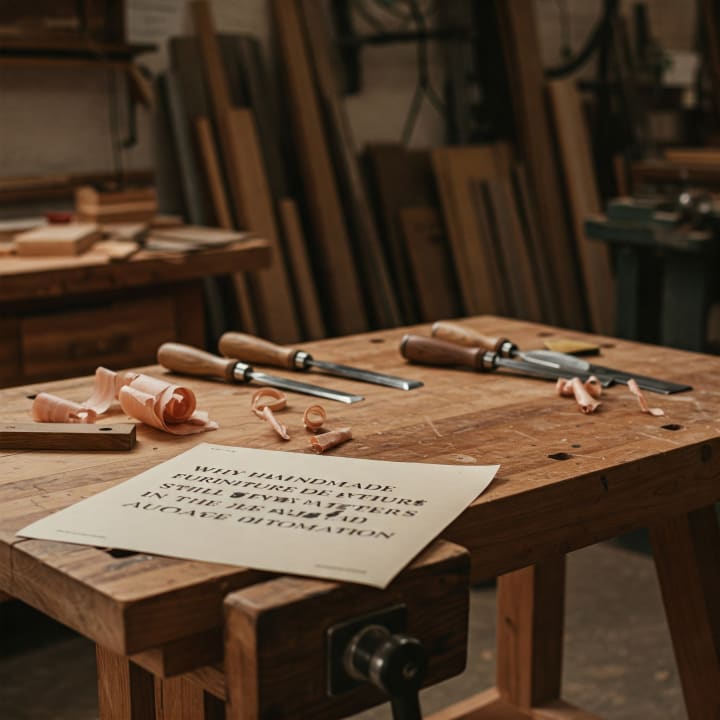
One of the most compelling reasons handmade furniture endures is its superior quality and durability. While mass-produced furniture is often built with cost-saving measures in mind—such as low-grade materials, weak joints, or fasteners—handmade furniture emphasizes longevity. Traditional techniques like mortise and tenon joinery, dovetailing, and hand planing are not just aesthetic choices; they’re structural commitments to lasting value. These time-tested methods result in pieces that can withstand generations of use and even improve in appearance over time, developing a rich patina and personal history.
In addition to quality, handmade furniture aligns with growing consumer values around sustainability and ethical consumption. Mass production often relies on resource-intensive processes and long supply chains, which can lead to environmental degradation and exploitative labor practices. In contrast, many artisans prioritize locally sourced, responsibly harvested materials, and use eco-friendly finishes. By choosing handmade, consumers are making a conscious decision to support more sustainable and transparent production methods. It’s an investment not only in a product but in the planet and the people who inhabit it.
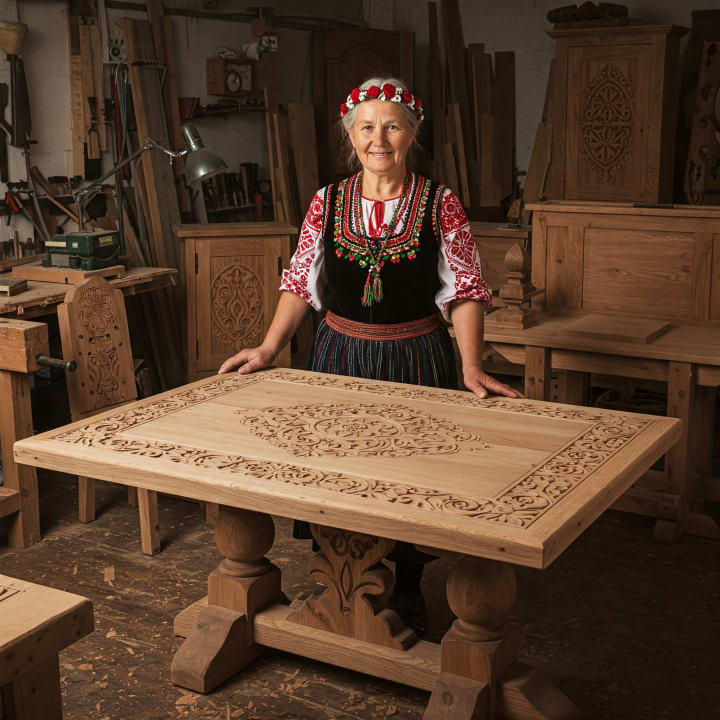
Another aspect that sets handmade furniture apart is its ability to connect people—to history, tradition, and community. When you buy a handmade table, chair, or cabinet, you are not just purchasing furniture; you are acquiring a piece of someone's livelihood and passion. You are supporting small businesses, local economies, and centuries-old craftsmanship that might otherwise be lost in the wave of industrialization. This human connection adds emotional depth to the ownership experience. It transforms a functional object into something personal and meaningful.
Moreover, in a world where trends come and go with lightning speed, handmade furniture offers timelessness. It doesn’t chase fads or try to imitate fleeting styles. Instead, it often draws on classic forms and enduring aesthetics, making it a smart and lasting addition to any home. People are increasingly moving away from disposable culture and seeking pieces that hold emotional and monetary value. Handmade furniture answers this desire by offering heirlooms rather than temporary solutions.
Some argue that automation is the future and that handmade goods are simply nostalgic or impractical. But this view overlooks a deeper truth: not everything should be reduced to speed or efficiency. While machines excel at repetition, they cannot replicate the soul, intention, and individuality that a human artisan brings to their craft. There is something deeply satisfying about knowing the story behind a piece of furniture—the wood it came from, the hands that shaped it, the inspirations behind its design.
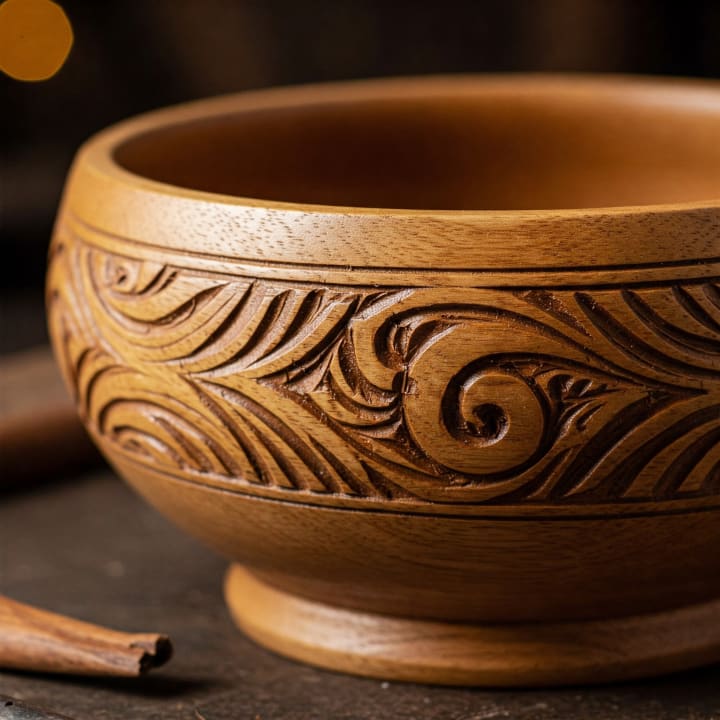
Choosing handmade furniture in the age of automation is not about rejecting technology; it’s about preserving what makes us human. It’s a quiet but powerful statement that values quality over quantity, connection over convenience, and tradition over trend. In a world that often prioritizes the new and the now, handmade furniture reminds us of the beauty of the enduring and the well-made.
As we continue to embrace innovation, it's essential to remember that progress doesn’t mean leaving behind craftsmanship. Instead, the two can coexist, complementing each other in meaningful ways. Handmade furniture is not a relic of the past—it is a celebration of timeless values in a modern world.
About the Creator
Keep reading
More stories from Opaa Homes and writers in Education and other communities.
Custom, Consistent, Scalable: What Makes Opaa Homes Different
In the world of furniture manufacturing, few companies manage to strike the perfect balance between design flexibility, production reliability, and the ability to scale. At Opaa Homes, we take pride in being one of those rare manufacturers. With a focus on upholstered, custom-made furniture, we serve a wide range of clients—from individual homeowners and interior designers to large real estate developers and hospitality brands.
By Opaa Homes9 months ago in Education
From Despair to Hope: How Animal Rescue Efforts Rebuild Broken Lives
Animal rescue efforts stand as a powerful response to suffering that often goes unseen. Across towns, cities, and rural areas, animals face neglect, abandonment, injury, and fear every day. Many are left without food, shelter, or medical care. Others are harmed by abuse or natural disasters. Without help, their future is uncertain. Through patience, care, and action, animal rescue efforts transform despair into hope and give animals the chance to heal and live safely.
By Brenda McGrane5 days ago in Education
How to Gain Real Work Experience in Wealth Management
Breaking into wealth management can feel confusing at first. Many roles ask for experience, but it is not always clear how to get it. The good news is that real wealth management work experience comes from action, not just titles. With the right approach, you can build skills, credibility, and confidence before landing a full-time role.
By John Lennox Cummings4 days ago in Education
So You Decided To Become a Nurse Practitioner:
So you decided to become an "Advanced Practice" nurse. Congratulations!... is what I would say if this was a good idea. Grad school? In this economy? What were you thinking? Likely it was something along the lines of either 1) “I've seen these other chucklefucks do it— Why can't I?” or even 2) “I've got a nice career, I should shake it up. I miss feeling like I have no clue what I'm doing.”
By Sandor Szabo2 days ago in Fiction


Comments
There are no comments for this story
Be the first to respond and start the conversation.