
Why Fire Dampers Matter More Than You Think in Building Safety
Protecting lives through smart HVAC fire safety solutions!
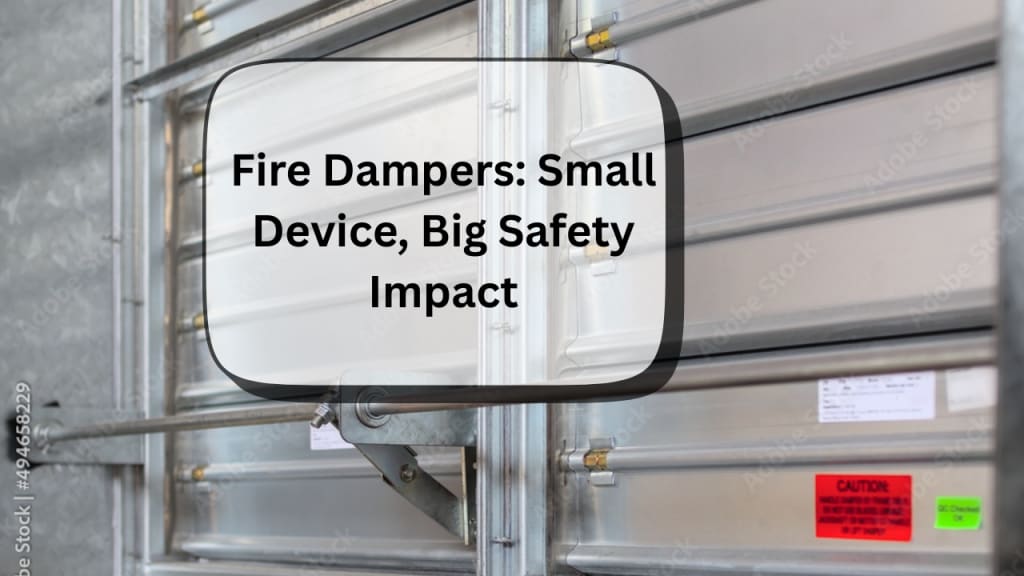
Think Fire Dampers Don’t Matter? Think Again
When we talk about fire safety, most people think of alarms and extinguishers. But hidden behind the ceilings and walls of every modern building is an unsung hero: the fire damper.
If your building has an HVAC system, let’s face it, most do, fire dampers are critical in stopping fire from spreading through ventilation ducts. They might not be the flashiest part of your fire safety setup, but they’re easily one of the most important.
What is a Fire Damper?
A fire damper is a device installed in the ductwork of HVAC systems. Its job? To close automatically when it senses high heat, usually around 165°F (74°C).
Once triggered, it shuts off airflow through the ducts, stopping fire and smoke from spreading to other parts of the building. Fire dampers are part of what’s called passive fire protection, they don’t put out the fire, but they keep it from getting worse.
Whether you're installing new systems or checking existing ones, it’s important to work with experts in the field. Electrical & Power Contracting offers reliable fire damper solutions tailored for commercial and industrial buildings.
Fire Damper Installation: Why It's Crucial
Proper installation is where it all starts. Fire dampers must be placed where air ducts pass through fire-rated walls or floors. These dampers act as a barrier to keep fire contained. But if they’re not installed correctly or worse, not installed at all, they won’t protect anything.
That’s why this job should always be handled by trained professionals. They’ll ensure the right damper type is used, that it’s placed precisely, and that it’s sealed correctly. You’re not just following rules, you’re building a safer space.
Fire Damper Maintenance: Don’t Just Set It and Forget It
Once your dampers are installed, your work isn’t over. These systems need maintenance. Like any mechanical part, fire dampers can wear down or get blocked by dust, grease, or rust. If they don’t close when they’re supposed to, they’re useless.
Regular maintenance includes testing the damper’s closure system, cleaning off any buildup, and checking the blades for damage. Most building codes, including in Saudi Arabia, require dampers to be tested every 1 to 2 years.
Depending on your building type and usage, it could be more frequent. Ignoring maintenance isn’t just risky, it could be illegal. Make sure your dampers are always in working shape, especially if your building is used by the public or for critical operations.
The Role of Fire-Rated Dampers
Not all fire dampers are built the same. Some are rated to withstand heat for a specific amount of time, like 60 or 120 minutes. These fire-rated dampers are essential in places where extra protection is needed like hospitals, airports, high-rise buildings, and data centers.
They buy time. Time for people to evacuate. Time for emergency teams to arrive. Time for fire to be controlled before it causes major damage.
HVAC Fire Protection Starts Here
Your HVAC system moves air everywhere. And without proper controls, it can also move smoke and fire. That’s why fire safety ventilation matters. You need dampers, shut-off controls, smoke detectors, and well-thought-out airflow planning. It’s about creating a network that helps isolate danger when things go wrong.
In the end, it’s about more than just ticking a box for safety compliance. If you run a business, keeping your building protected shows your team and your customers that you care.
Need Help with Fire Damper Solutions?
Building something new? Upgrading your fire system? This is the perfect time to assess your HVAC safety setup.
At EPC, we specialize in fire damper installation, testing, and maintenance across Saudi Arabia. We help commercial and industrial clients choose the right fire-rated dampers, follow all local codes, and create fire-safe buildings they can rely on.
Final Thoughts
You might not see them, but fire dampers are always working in the background. They’re your silent safety shield. Don’t overlook them. Install them right, keep them in shape, and protect your property the smart way.
About the Creator
Keep reading
More stories from writers in Education and other communities.
How Data and Analytics Are Powering Hospitality Marketplace Growth
The hospitality marketplace is evolving fast, and success now depends on more than great service and competitive pricing. Platforms, hotels, vacation rentals, and travel brands are leaning on data and analytics to make smarter decisions, improve guest satisfaction, and stay ahead of shifting demand. From pricing to personalization, analytics is shaping how businesses attract customers and increase revenue.
By Jason Nissenabout 5 hours ago in Education
Turning a History Lesson Into an Escape Room Game
History is often taught through lectures, textbooks, and timelines — methods that can feel dry and distant. But what if students could experience history instead of just reading about it? One of the most engaging ways to do this is by transforming a history lesson into an escape room game. This interactive approach combines problem-solving, teamwork, and storytelling to make history memorable and exciting.
By Games Mode On3 days ago in Education
Affection and Healing for Yourself
During the night of the last quarter moon, I gathered my ritual supplies. I carefully handled the chunk of black tourmaline that would protect me from your overall negative and narcissistic energy. I carefully walked the house with my stick of selenite in hand, asking the universe to cleanse our working space.
By Alisha Wilkins ✒️🦋🖋️2 days ago in Fiction


Comments
There are no comments for this story
Be the first to respond and start the conversation.