
Why Every Growing Business Needs an HRMS System
HRMS System

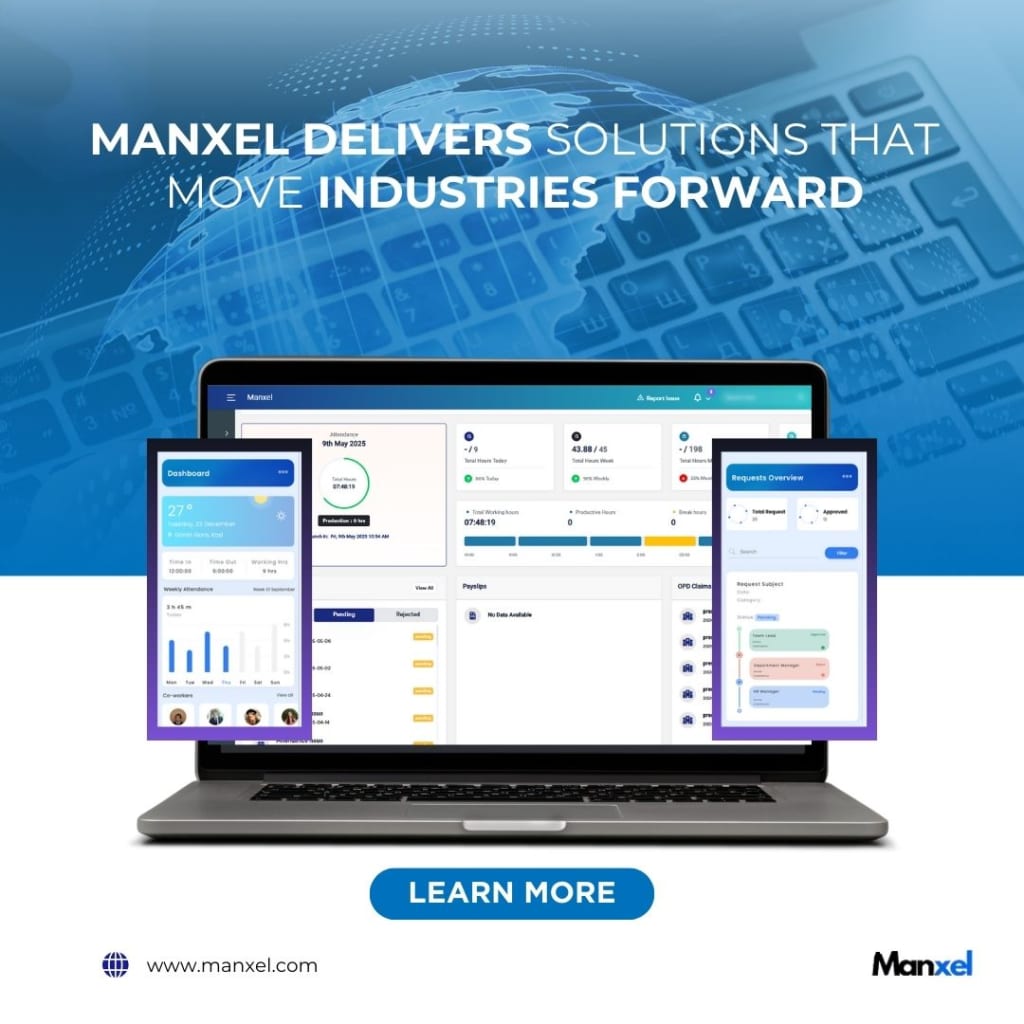
As businesses expand, the complexities of managing people, processes, and compliance begin to grow exponentially. Manual methods—spreadsheets, email chains, and disconnected apps—can only take you so far. To truly thrive in today’s dynamic work environment, companies must adopt smarter tools. One of the most impactful solutions? A modern HRMS system.
An HRMS system (Human Resource Management System) automates and centralizes essential HR functions, empowering companies to operate efficiently, remain compliant, and deliver an exceptional employee experience. In this article, we explore what an HRMS system offers, why it's critical for business growth, and how to choose the right one.
1. What Does an HRMS System Really Do?
At its core, an HRMS system is a software suite that consolidates and automates all key HR activities—from recruitment to retirement. It functions as a central hub where employee data is securely stored and HR operations are managed efficiently.
Core Functions of an HRMS System:
Recruitment & Onboarding: Post job openings, track applicants, and digitize the onboarding process.
Employee Data Management: Maintain up-to-date records such as personal details, employment history, and performance data.
Time & Attendance: Monitor hours worked, shift schedules, leave requests, and absences.
Payroll & Benefits: Calculate pay, generate payslips, handle deductions, and manage employee benefits.
Performance Reviews: Set goals, gather feedback, and evaluate employee contributions.
Learning & Development: Assign training, track skill upgrades, and measure learning outcomes.
Compliance & Audits: Automate documentation, generate audit trails, and maintain policy compliance.
This all-in-one approach simplifies HR workflows, eliminates redundancies, and enhances communication across departments.
2. The Strategic Benefits of Using an HRMS System
Implementing an HRMS system doesn’t just improve administrative tasks—it transforms how businesses make decisions, engage with employees, and scale operations.
A. Accelerated Hiring and Onboarding
Recruiting top talent is competitive. An HRMS system streamlines the entire hiring pipeline—automating job postings, screening resumes, scheduling interviews, and digitizing onboarding documents. This reduces time-to-hire and ensures new employees start with confidence.
B. Increased Accuracy and Compliance
HRMS systems reduce the risk of human error in critical areas like payroll, taxes, and time tracking. Most platforms are updated with compliance features to meet local labor laws, tax codes, and global HR regulations.
C. Improved Employee Engagement
Today’s workforce expects transparency and flexibility. HRMS systems often come with employee self-service portals, allowing team members to view payslips, request leave, update personal info, or check performance goals—all without contacting HR.
D. Smarter Decision-Making with HR Analytics
Built-in dashboards and reports give HR leaders access to real-time insights. This data helps identify turnover trends, measure engagement, assess productivity, and plan for future hiring needs.
E. Scalable Infrastructure for Growth
Whether you’re adding five employees or expanding globally, a good HRMS system grows with you. Features like role-based access, multi-location support, and remote management make it ideal for scaling businesses.
3. How to Choose the Right HRMS System for Your Business
Not all HRMS systems are created equal. While some are best for startups, others are built for large, multi-national corporations. Choosing the right platform depends on your company’s size, industry, and unique HR needs.
Questions to Ask Before Selecting an HRMS System:
A. What HR functions do we want to automate?
Make a list of your top challenges—such as slow onboarding, time tracking, or compliance—and prioritize tools that address them.
B. Do we need cloud-based access?
Cloud HRMS platforms allow employees and managers to access the system from anywhere—ideal for remote and hybrid teams.
C. Will it integrate with our existing tools?
Look for systems that integrate with accounting software, CRM, ERP, or project management platforms.
D. Is the system secure?
Make sure it includes data encryption, role-based access, audit logs, and regular backups. Employee data is sensitive, and security is non-negotiable.
E. How user-friendly is the interface?
Adoption depends on usability. Choose a system that’s easy to navigate for both HR professionals and employees.
F. What does support look like?
Reliable customer service, training resources, and responsive support are key to successful implementation.
Some Popular HRMS Platforms:
BambooHR – Clean interface, great for small businesses.
Gusto – Excellent payroll tools with HR features.
Zoho People – Highly customizable for growing teams.
Workday – Enterprise-grade with deep analytics.
Rippling – Good integration with IT and finance systems.
4. Real-World Success: The ROI of a Well-Implemented HRMS System
Companies that adopt an HRMS system often see a high return on investment—not just in money saved, but in productivity gained.
Case Example 1: Startup Scaling with Ease
A tech startup with 50 employees adopted a cloud-based HRMS system. Within six months, they reported:
40% reduction in time spent on payroll
80% improvement in onboarding efficiency
95% accuracy in time tracking vs. 70% before
Case Example 2: Compliance Made Easy
A retail chain with stores in multiple cities used an HRMS system to automate their labor law compliance checks. As a result, they avoided penalties and reduced audit prep time by 60%.
These results show how the right system can drive performance, reduce risk, and improve employee trust.
Final Thoughts: HRMS System as a Growth Enabler
Whether you’re a five-person startup or a growing mid-size business, the reality is this: you can’t scale people operations with spreadsheets. A robust HRMS system is the engine behind modern, efficient, and human-centered HR practices.
It helps you:
Save time
Stay compliant
Increase employee satisfaction
Make better business decisions
About the Creator
Ejaz Hussain
Email marketing | SEO |Blog
Keep reading
More stories from Ejaz Hussain and writers in Education and other communities.
HRMS System: The Smart Backbone of Modern Workforce Management
In the age of remote work, global teams, and digital transformation, businesses can no longer rely on outdated tools for managing human resources. Enter the HRMS system—a game-changer in how companies recruit, manage, and support their employees.
By Ejaz Hussain9 months ago in Education
Building Stronger Teams Through Diversity
Diversity in the workplace is more than a trend. It is a key part of building strong and creative teams. Companies today serve people from many cultures, backgrounds, and life experiences. Because of this, businesses need teams that reflect the world around them.
By Aaron Khieu7 days ago in Education
How Long the Sun Has Left: The Future Life and Death of Our Star Explained
Every day, the Sun rises and sets with remarkable consistency. It has illuminated Earth for billions of years, sustaining life and shaping the environment of our planet. Because the Sun appears stable and unchanging, it is easy to imagine that it will shine forever.
By shahkar jalal2 days ago in Education



Comments
There are no comments for this story
Be the first to respond and start the conversation.