
HRMS System: The Smart Backbone of Modern Workforce Management
HRMS System


In the age of remote work, global teams, and digital transformation, businesses can no longer rely on outdated tools for managing human resources. Enter the HRMS system—a game-changer in how companies recruit, manage, and support their employees.
This article explores what an HRMS system is, how it works, its benefits, and how to choose the right one for your business. Whether you're a startup, mid-sized business, or large enterprise, adopting a reliable HRMS system is no longer a luxury—it’s a necessity.
1. What Is an HRMS System?
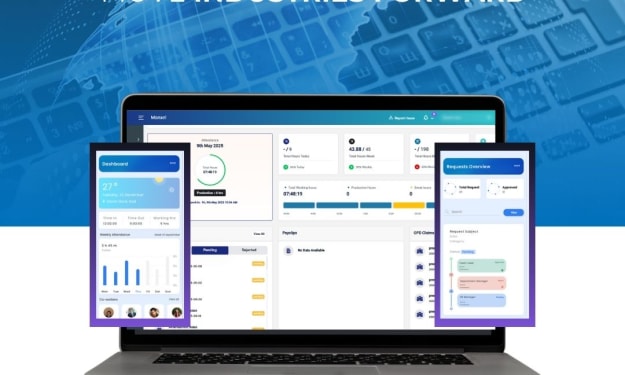
An HRMS (Human Resource Management System) is a software solution that helps companies automate and manage core HR functions from one central platform. It brings together recruitment, onboarding, attendance, payroll, performance, and compliance into a unified system.
Key Modules Typically Found in an HRMS System:
Employee Information Management
Recruitment and Applicant Tracking (ATS)
Leave and Attendance Management
Payroll and Tax Calculation
Performance Reviews and Goal Setting
Training and Development Tracking
Compliance and Document Management
Unlike traditional HR processes that rely on paperwork or scattered spreadsheets, an HRMS system creates a structured, efficient, and transparent workflow that reduces errors and saves time.
2. Benefits of Using an HRMS System for Your Business
The true value of an HRMS system lies in how it streamlines everyday HR tasks, helps businesses make smarter decisions, and improves the overall employee experience.
A. Saves Time and Reduces Manual Work
From automating payroll calculations to generating reports in seconds, an HRMS system allows HR teams to focus more on strategy and less on repetitive tasks.
B. Improves Accuracy and Compliance
With built-in rules, alerts, and audit trails, HRMS systems minimize human errors and ensure your organization stays compliant with labor laws, tax rules, and industry regulations.
C. Enhances Employee Engagement
Most modern HRMS platforms come with self-service features. Employees can update personal details, apply for leaves, view payslips, and track goals—all without contacting HR.
D. Better Decision-Making with Real-Time Data
An HRMS system provides dashboards, reports, and analytics that reveal insights into workforce trends like attrition, productivity, and engagement.
E. Scalable and Cloud-Friendly
Whether you grow from 10 to 1,000 employees, a scalable HRMS system adapts to your size. Cloud-based platforms allow secure access anytime, anywhere.
3. What to Consider Before Choosing an HRMS System
With so many HRMS solutions available today, choosing the right one can be overwhelming. The best HRMS system for your organization depends on several factors:
A. Company Size and Structure
Some systems are designed for small teams, while others cater to enterprises with multiple locations. Make sure the system matches your growth plan.
B. Customization and Flexibility
Your HR policies and workflows are unique. Choose an HRMS platform that allows you to customize forms, approval flows, and user permissions.
C. Integration Capabilities
Does it work well with your existing tools like accounting software, email platforms, or Slack? A good HRMS system should integrate easily with other apps.
D. Security and Data Protection
HR data includes sensitive employee information. Ensure the system is GDPR-compliant, encrypted, and offers role-based access controls.
E. User Experience
An intuitive, mobile-friendly interface is key to employee adoption. Avoid platforms with steep learning curves or clunky designs.
4. Future Trends: What’s Next for HRMS Systems?
The future of HRMS systems is all about intelligence, automation, and personalization. Here's what to expect in the next wave of innovation:
AI-Powered HR Functions
Artificial Intelligence is making HRMS smarter—automating resume screening, suggesting training based on performance, and predicting attrition risk.
Voice and Chatbot Integration
HRMS platforms are being integrated with chatbots and voice assistants to help employees complete tasks (like checking leave balances) via chat.
Employee Wellness Integration
More HRMS systems now include wellness tracking, mood check-ins, and access to mental health resources.
Blockchain for Verified Credentials
Blockchain is being explored for maintaining tamper-proof employee histories, credentials, and compliance records.
These trends show how the HRMS system is evolving from a back-office tool to a strategic platform that drives culture, engagement, and performance.
Final Thoughts: Why You Need an HRMS System Today
In a competitive and fast-changing business world, the ability to attract, retain, and develop great talent is a key differentiator. A powerful HRMS system equips you with the tools, insights, and automation needed to build a modern workforce.
Whether you're a founder managing a small team or an HR leader in a growing enterprise, the message is clear:
About the Creator
Ejaz Hussain
Email marketing | SEO |Blog
Keep reading
More stories from Ejaz Hussain and writers in Education and other communities.
The Ultimate Guide to HRMS Systems: Transforming Human Resource Management in the Digital Age
What Is an HRMS System and Why It Matters Today An HRMS system (Human Resource Management System) is a software platform designed to streamline, automate, and optimize the full range of HR processes in an organization. It serves as a centralized hub for managing employee data, recruitment, payroll, benefits, training, and performance.
By Ejaz Hussain9 months ago in Education
Precision in Motion: The Rise of Sport Shooting and Firearms in Modern Competition
Sport shooting has grown from a simple test of aim into a structured sport that demands discipline, patience, and technical skill. Today, sport shooting and firearms play a major role in global competitions, training programs, and recreational events. Athletes train for years to improve accuracy and control. They study equipment, posture, breathing, and focus. Because of this dedication, sport shooting has become a respected sport that rewards precision and calm thinking.
By Matthew Pothoff3 days ago in Education
NCLEX Study Plan: A Step-by-Step Guide for Nursing Students
Preparing for the NCLEX-RN is one of the most important milestones in the nursing students’ career. This is because the NCLEX is the final step before nursing students can become licensed nurses. However, it is not as easy as simply reading nursing textbooks and taking notes from class lectures. This is because the NCLEX is designed to test the nursing students’ clinical judgment and decision-making skills.
By Sulcus Learning6 days ago in Education
Top tipple tricks
Been thinking a lot about drinking, lately. Not least because of a recent episode of over-indulgence and the inevitable after effects. Some readers may recall the earlier articles I wrote about beating the booze. Here I set out an experiment in techniques for cutting down on my alcohol intake. The experiment was successful, the techniques worked, and I have armed myself with an arsenal of weapons in the war against the demon drink. I have yet to fire the first round however. It's all a question of timing (perhaps procrastination).
By Raymond G. Taylor7 days ago in Psyche



Comments
There are no comments for this story
Be the first to respond and start the conversation.