
Why do people start having problems again in their knee 4-5 years after total knee replacement?
21/07/2025

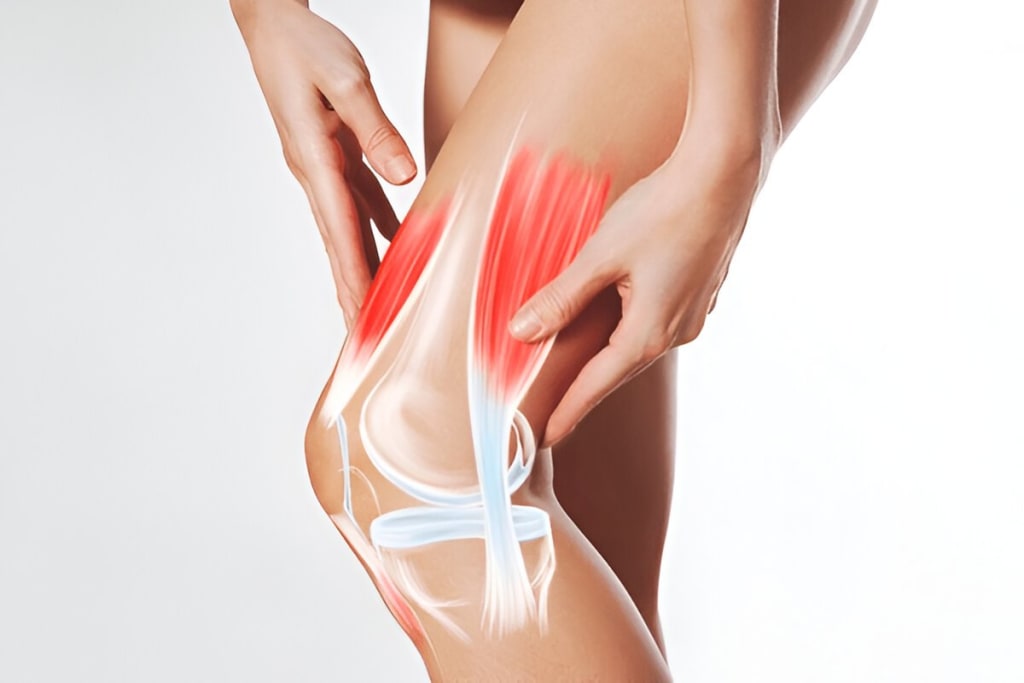
Total knee replacement (TKR) is a common and effective surgical procedure to relieve pain and restore function in patients with severe knee arthritis or damage. Most patients experience significant improvement in mobility and quality of life. However, it’s not uncommon for some people to start experiencing knee problems again 4–5 years after surgery. This can be confusing and frustrating, especially when the initial results were positive.
In this article, we’ll explore the common reasons for knee pain after total knee replacement, what signs to watch out for, and how to manage or prevent these issues effectively.
Common Reasons for Knee Problems 4–5 Years After Replacement
1. Implant Wear and Tear
Though knee implants are designed to last 15–20 years, wear and tear can still occur, especially in active individuals. The materials used in the prosthesis—metal, plastic, and ceramic—may gradually degrade due to regular movement, leading to pain or stiffness.
2. Loosening of the Implant
One of the most frequent reasons for knee pain years after surgery is implant loosening. Over time, the bond between the bone and the implant can weaken, causing instability, swelling, and discomfort.
3. Infection Around the Implant
Even years after surgery, some patients may develop a delayed periprosthetic joint infection (PJI). This may present as low-grade pain, swelling, warmth around the joint, or stiffness. These infections can be tricky to diagnose and might require revision surgery.
4. Scar Tissue Formation (Arthrofibrosis)
Scar tissue can build up around the new knee joint, leading to limited mobility and pain. This condition, known as arthrofibrosis, may develop gradually and reduce the effectiveness of the knee replacement over time.
5. Alignment or Mechanical Issues
If the implant was not perfectly aligned or if the patient’s gait has changed over time, it may lead to joint misalignment. This can place uneven pressure on the implant and surrounding tissues, causing new pain or discomfort.
6. Progressive Bone Loss (Osteolysis)
Osteolysis is a condition where the body begins to break down bone around the implant. This can lead to implant loosening, instability, and the need for revision surgery.
When Should You See an Orthopedic?
If you're experiencing any of the following symptoms years after your knee replacement, consult your orthopedic surgeon:
- Persistent pain or swelling
- Instability or difficulty walking
- Unexplained warmth or redness
- Stiffness or reduced range of motion
- Clicking or grinding sounds from the joint
Early diagnosis can prevent further damage and improve your outcome.
Can These Issues Be Treated?
Yes. Most of the issues can be managed or corrected through physical therapy, medications, or revision knee replacement surgery in more severe cases. Infections may require antibiotics or surgical cleaning. Loosening or wear often requires revision surgery where the damaged implant is replaced.
How to Maintain Your Knee Replacement for the Long Term
- Stay active but avoid high-impact activities like running or jumping.
- Maintain a healthy weight to reduce pressure on your knee joint.
- Attend follow-up appointments to monitor implant condition.
- Report new symptoms early to your doctor for timely intervention.
- Strengthen your muscles through guided physical therapy or home exercises.
Final Thoughts
While total knee replacement surgery is often life-changing, it’s important to understand that problems can still arise years later. Factors like implant wear, infection, or misalignment can lead to renewed discomfort around the 4–5 year mark. Regular monitoring, healthy lifestyle choices, and early treatment can make a big difference in maintaining the benefits of your new knee.
If you're experiencing knee pain years after replacement, don’t ignore it. Seek advice from a qualified orthopedic specialist to identify the issue and explore the right solution.
About the Creator
Dr. Hardik Padhiyar
Dr. Hardik Padhiyar, the best knee surgery doctor, hip replacement doctor, knee specialist, joint pain doctor, shoulder specialist and trauma surgeon in Ahmedabad, Gujarat. Our Website: https://drhardikortho.com/
Keep reading
More stories from Dr. Hardik Padhiyar and writers in Education and other communities.
Understanding Shoulder Replacement Surgery: A Comprehensive Guide
Shoulder pain can significantly impact daily life, making simple tasks like lifting, reaching, or even sleeping difficult. If you are experiencing chronic shoulder pain, your doctor may recommend shoulder replacement surgery. A common question among patients is: Is shoulder replacement a major surgery?
By Dr. Hardik Padhiyar11 months ago in Education
One Unchecked Box
"Republished" because it was the only way to add the embed for the newly recorded audio version of this story due to the Top Story badge. Plus it serves as a nice, informal announcement of the podcast's revival for another season (go subscribe!):
By Stephen A. Roddewig5 days ago in Fiction




Comments