
Why Do Forex Pairs Change Value?
Key Factors How Forex currency pairs change value?

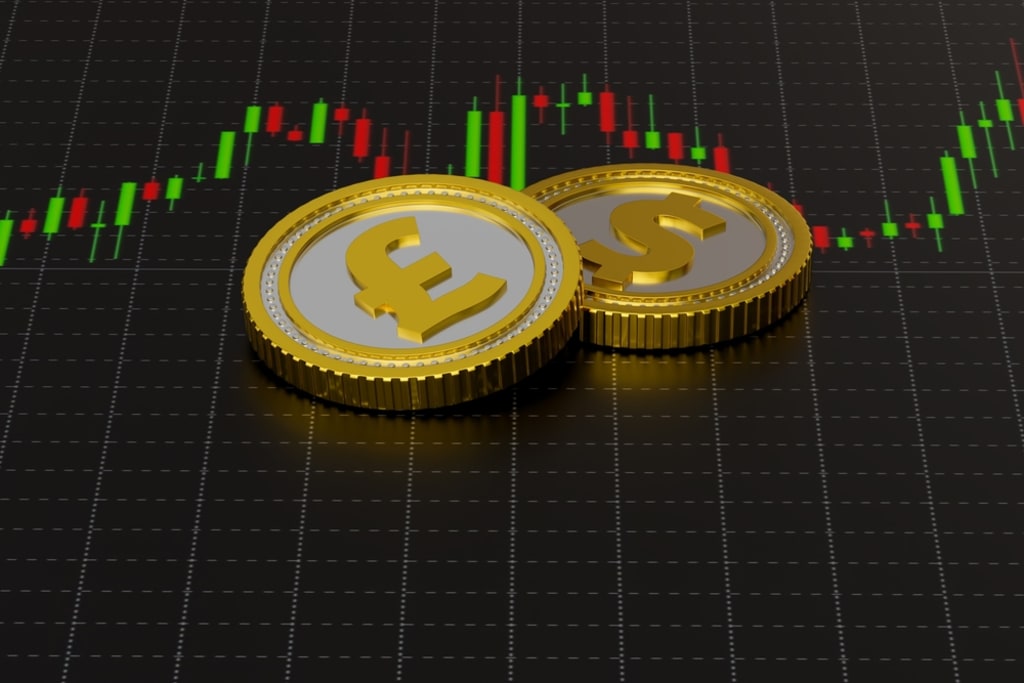
The foreign exchange market is the largest and most liquid financial market in the world, with trillions of dollars traded daily. At the heart of this market are currency pairs, whose values fluctuate constantly. Understanding why these forex pairs change value is essential for anyone involved in trading or investing in currencies.
The factors influencing these changes are diverse, complex, and interconnected, encompassing economic indicators, political events, market sentiment, and more. This article delves into the primary reasons behind the changing values of most traded currency pairs.
Economic Indicators
Economic indicators are statistical metrics used to gauge the health of an economy. They play a big role in shaping the value of forex pairs and are closely watched by traders to make informed decisions. These indicators, often referred to as forex indicators in the trading world, provide insights into economic performance and trends.
Key indicators include:
1. Gross Domestic Product (GDP): A country's GDP reflects its economic performance. A higher GDP means a strong economy, which can increase the value of its currency.
2. Interest Rates: Set by a country's central bank, interest rates are a crucial factor. Higher interest rates offer better returns on investments in that currency, attracting foreign capital and driving up its value.
3. Inflation Rates: Lower inflation in a country usually leads to a stronger currency because it preserves the purchasing power of the currency in comparison to other currencies.
4. Employment Data: Employment rates, including the unemployment rate and non-farm payrolls in the U.S., indicate economic strength. High employment typically boosts consumer spending and economic growth, strengthening the currency.
Political Events and Stability
Political stability and events significantly impact forex values. Political uncertainty or instability can lead to a loss of confidence in a currency, causing its value to drop. Conversely, a stable political environment can attract foreign investment and bolster the currency's value. Elections, policy changes, and geopolitical tensions are critical events that traders monitor closely. For instance, Brexit profoundly impacted the British pound, causing significant volatility as negotiations unfolded and uncertainties about the future of the UK's relationship with the EU emerged.
Market Sentiment
Market sentiment refers to the overall attitude of investors toward a particular currency. It is influenced by both fundamental factors (economic data and news) and technical factors (price patterns and trading volumes). When traders are optimistic about a currency, they tend to buy more of it, pushing its value up. Conversely, pessimism can lead to selling, driving the currency's value down. Sentiment can also be affected by speculative actions, where traders anticipate future movements based on their expectations and analysis.
Supply and Demand
Like any other financial market, forex values are driven by supply and demand dynamics. When the demand for a currency increases, its value rises. This can happen for various reasons, such as foreign investors buying assets in that country or traders speculating on future appreciation. On the other hand, an oversupply of a currency or decreased demand can lead to a drop in its value. Central banks play a crucial role here as they can influence supply by adjusting interest rates or engaging in open market operations.
Global Trade and Investment Flows
International trade and investment flows directly impact forex values. Countries with strong export markets typically see higher demand for their currency because foreign buyers need to purchase the local currency to pay for goods and services. Conversely, countries that import more than they export may see their currency weaken due to the outflow of funds. Foreign direct investment (FDI) is another critical factor. High levels of FDI into a country indicate strong investor confidence, often leading to a stronger currency.
Central Bank Policies
Central banks wield significant influence over forex values through their monetary policies. By setting interest rates, controlling the money supply, and using foreign exchange reserves, central banks can stabilize or adjust the value of their currency. For example, if a central bank raises interest rates, it typically leads to an appreciation of the currency as investors seek higher returns. Additionally, central banks can intervene directly in the forex market to stabilize their currency by buying or selling it.
Speculation and Market Manipulation
Speculation involves traders buying and selling currencies based on their predictions of future movements. Large-scale speculation can lead to significant short-term fluctuations in forex values. Market manipulation, although illegal, can also impact currency values. This includes coordinated efforts to inflate or deflate a currency's value for financial gain.
Technological and Natural Factors
Technological advancements and natural events can also influence forex values. Technological innovations that improve a country's economic efficiency can boost its currency. Conversely, natural disasters can harm economic performance and investor confidence, leading to a depreciation of the currency.
Conclusion
The value of forex pairs is influenced by a complex interplay of economic, political, and social factors. Understanding these factors can provide traders and investors with valuable insights into market movements and help them make more informed decisions. While predicting exact currency movements is challenging, staying informed about these key drivers can significantly enhance one's ability to navigate the dynamic forex market.
About the Creator
Ethan Williams
I am an experienced trader who has spent over many years working in the financial markets and I have developed strategies that work well over time. I like to share what I know, giving helpful tips and advice to make trading easier.
Keep reading
More stories from Ethan Williams and writers in Education and other communities.
How to Avoid 5 Common Mistakes for Success in Online Gold Trading?
In the financial world, traders often see gold trading as an opportunity that offers stability at times of market volatility and is considered to have long-term wealth-building potential. However, getting consistent profitability even while trading gold trading isn’t as simple as it seems. There are a lot of traders who unknowingly make errors leading to eroding their profits or even significant losses.
By Ethan Williams11 months ago in Education
From Stove to Strategy: Steve Wolfe’s Take on Scaling Your Food Business from Kitchen to Boardroom
Every food business begins with passion—late nights in the kitchen, handwritten recipes, and the joy of seeing someone love what you’ve made. But when demand grows, passion alone isn’t enough. Scaling your food business from kitchen to boardroom requires a shift in thinking, planning, and leadership.
By Steven Joseph Wolfe2 days ago in Education




Comments
There are no comments for this story
Be the first to respond and start the conversation.