
Why Cricket Is Far More Than Sport in South Asia
Informational Sport

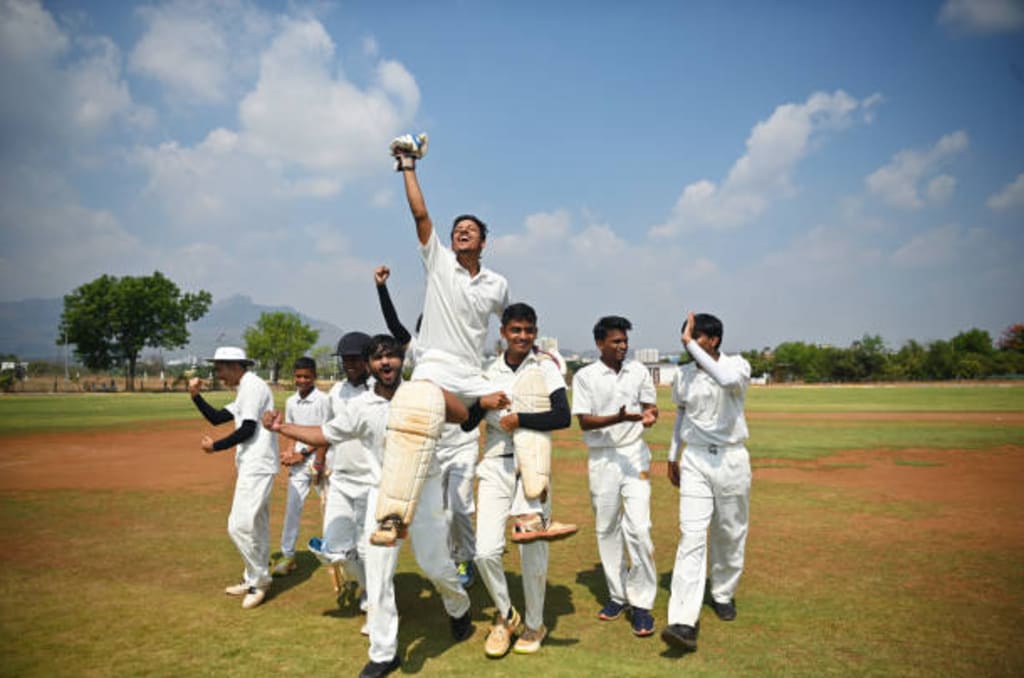
In South Asia, cricket is far more than just a sport—it is a cultural phenomenon that transcends boundaries of class, language, and even politics. Across India, Pakistan, Bangladesh, Sri Lanka, and Nepal, cricket unites millions under a shared passion, often described as nothing less than a religion. But why does this game hold such extraordinary power in the region?
A Colonial Legacy Turned Local Pride
Cricket’s roots in South Asia trace back to the British colonial era, when the game was introduced as a pastime for officers and members of the ruling elite. Initially, it symbolized exclusivity, a sport played within closed clubs that mirrored the social hierarchy of the time. Locals were often excluded, and when they did participate, it was under the shadow of colonial power. Yet, what began as a tool of cultural dominance slowly transformed into something deeply meaningful for the people of the subcontinent.
By the late 19th and early 20th centuries, South Asians had begun forming their own teams and leagues. Playing cricket became an act of cultural reclamation, a subtle defiance of colonial authority. Victories on the field weren’t just athletic triumphs—they were statements of dignity, proof that the colonized could match or even outshine the colonizers in their own game.
This symbolism grew even stronger post-independence. For India, Pakistan, Sri Lanka, and later Bangladesh, cricket became a stage to assert national pride on the global platform. When India defeated the West Indies in the 1983 World Cup, or when Sri Lanka triumphed in 1996, these moments resonated far beyond sport. They were celebrated as victories of the people, affirming independence and strength in the international arena.
Cricket thus evolved from a colonial imposition into a unifying force for identity and pride. What once symbolized power imbalance now stands as a cultural inheritance reshaped by local passion and resilience. Today, South Asia dominates the global cricketing stage, a living testament to how a borrowed sport was transformed into a cornerstone of regional pride and collective identity.
Heroes Who Became Icons
In South Asia, cricketers are far more than athletes—they are cultural icons, national treasures, and, for many, almost divine figures. Their performances transcend the boundaries of sport, becoming moments of collective memory and identity that millions hold close to heart.
Take Sachin Tendulkar, often referred to as the “God of Cricket” in India. His career spanned over two decades, and his records became milestones not only in cricketing history but in the everyday lives of his fans. When he walked out to bat, streets emptied, televisions blared in every household, and an entire nation seemed to hold its breath. His success was not just his own; it was India’s.
In Pakistan, Imran Khan rose from being a cricketing legend to a national leader. His triumph in leading Pakistan to its first World Cup victory in 1992 remains a defining moment in the country’s sporting history. For many Pakistanis, Khan embodied resilience, charisma, and the belief that sport could inspire broader change beyond the field.
Sri Lanka found its icons in players like Arjuna Ranatunga and Muttiah Muralitharan. Their 1996 World Cup win was more than a sporting achievement—it was a unifying force for a nation grappling with civil conflict, giving people hope and a sense of shared pride.
Bangladesh, too, has celebrated figures such as Shakib Al Hasan, who became a symbol of determination and global recognition for a cricketing nation still carving out its legacy.
These players represent more than statistics or trophies. They embody dreams, resilience, and the aspirations of millions who see their struggles and triumphs reflected in the journey of their heroes. In South Asia, cricketing icons are not just remembered—they are revered, immortalized in the collective consciousness of their people.
A Shared Language Across Borders
Cricket in South Asia is more than a sport—it is a shared cultural language that cuts across borders, religions, and languages. In a region often marked by political tension and historical divides, cricket offers common ground. Whether it is a child playing with a makeshift bat in a narrow alley in Dhaka, or fans glued to television screens in Karachi, Colombo, or Mumbai, the passion resonates in remarkably similar ways.
Perhaps the most vivid example of this shared language is the rivalry between India and Pakistan. Matches between the two nations are more than just games; they are cultural events of immense magnitude. Streets fall silent, businesses slow down, and millions gather around televisions or radios to experience every ball, every run, and every wicket. Victories are celebrated as national triumphs, while defeats can feel like collective heartbreak. For a few hours, cricket encapsulates the hopes, pride, and competitive spirit of entire nations.
But beyond rivalry, cricket also fosters unity. When Sri Lanka lifted the World Cup in 1996, or when Afghanistan began making its mark on the international stage, fans across the region cheered with admiration. The sport creates moments of solidarity, where the joy of achievement is recognized and respected beyond borders.
Even at the grassroots level, cricket acts as a bridge. Migrants, students, and workers from South Asian countries often find instant connection with strangers through the game. A casual match in a park or a conversation about a recent series can spark bonds that transcend cultural or linguistic differences.
In this way, cricket becomes a universal dialect in South Asia—spoken through cheers, chants, and the crack of bat against ball. It unites millions in passion, regardless of the flags they wave.
The Theatre of Everyday Life
Nowhere is cricket more visible in South Asia than in the everyday lives of its people. The game is not confined to stadiums or broadcast screens—it spills into streets, backyards, schoolyards, and open fields, where it thrives as a living part of daily culture. With little more than a stick for a bat and a rubber ball, children recreate the drama of international matches, imitating their heroes and narrating their own victories.
Cricket’s accessibility has been key to its widespread presence. Unlike sports that require expensive equipment or formal facilities, cricket can be played anywhere: on dusty grounds in rural villages, along busy urban streets, or even indoors with improvised gear. This flexibility ensures that the game belongs to everyone—rich or poor, young or old. For many, the first connection to cricket is not through a television broadcast but through casual matches played barefoot under the sun.
These informal games are more than recreation; they are rehearsal spaces for dreams. Many of the region’s greatest cricketers began their journey in similar settings, honing skills in neighborhood matches long before stepping into stadiums. Watching stars rise from humble beginnings reinforces the belief that talent and dedication can turn a local pastime into international glory.
The theatre of everyday cricket also serves as a powerful social glue. Matches unite neighbors, bridge generations, and create memories that last long after the game ends. They reflect not only a love of sport but also a shared cultural rhythm that pulses through villages, towns, and cities alike.
In South Asia, cricket is not an occasional spectacle reserved for professional arenas—it is a constant performance woven into ordinary life. Every backyard match and every street-side cheer adds to the region’s collective passion, making cricket inseparable from its cultural heartbeat.
More Than a Game
In South Asia, cricket is not merely a sport—it is an emotional force that shapes identity, fuels dreams, and provides a sense of belonging. The game’s influence stretches far beyond stadiums and scoreboards; it weaves itself into politics, religion, economics, and everyday conversations. For millions, cricket is a way of life, a lens through which national pride and personal aspiration are expressed.
The emotional intensity of cricket in the region is unmatched. Victories on the field are celebrated like national holidays, with fireworks, parades, and public gatherings. Conversely, defeats can bring collective mourning, sparking days of analysis, debate, and reflection. Cricket outcomes often carry symbolic weight, seen not just as wins or losses in sport but as reflections of national strength, resilience, or unity.
The sport’s significance also extends into the personal sphere. Families bond over televised matches, neighborhoods organize community games, and generations connect through shared memories of iconic tournaments. A grandfather recalling the 1983 World Cup in India or the 1992 triumph in Pakistan is not simply telling a sports story—he is passing down a cultural moment that defines collective identity.
Moreover, cricket provides opportunity. For many young athletes, especially those from modest backgrounds, it represents a pathway to recognition, stability, and even fame. Stories of stars rising from humble beginnings inspire countless others, proving that cricket is more than entertainment—it is a ladder of hope.
Ultimately, cricket’s sacred status in South Asia comes from its ability to transcend barriers. It unites nations, bridges divides, and offers meaning in ways that few other cultural forces can. To call it a game undersells its importance; for millions, cricket is belief, passion, and identity rolled into one.
About the Creator
Gus Woltmann
Hi everyone, nice to meet you all! I am Gus Woltmann, sports journalist from Toronto.
Keep reading
More stories from Gus Woltmann and writers in Education and other communities.
How Team Sports Shape Leadership Skills for Life
Leadership is not just a trait reserved for CEOs, politicians, or managers; it’s a skill that can be cultivated from a young age. One of the most powerful training grounds for leadership is the world of team sports. Beyond the physical benefits of exercise, sports provide a platform where individuals learn communication, accountability, resilience, and the ability to motivate others. These experiences translate into valuable life-long leadership skills, shaping individuals both personally and professionally.
By Gus Woltmann7 months ago in Education
EdTech for Early Childhood Market to hit USD 55.6 Bn By 2034
EdTech for Early Childhood Market Overview The EdTech for Early Childhood Market was valued at USD 13.4 billion in 2024 and is projected to reach approximately USD 55.6 billion by 2034, expanding at a CAGR of 15.30% from 2025 to 2034. The increasing integration of digital learning tools into early childhood education is supporting this expansion. Educational technology platforms designed for young learners are helping educators deliver interactive learning experiences through digital content, educational games, and adaptive learning applications that support cognitive and language development.
By Roberto Crumabout 3 hours ago in Education
How Hot-Dip Galvanizing Saves Maintenance Costs Over Time for Steel Infrastructure
Steel is a key material in modern infrastructure. It is used in bridges, buildings, towers, fences, and many industrial systems. Steel offers strength and reliability, but it can rust when exposed to air and water. Rust slowly weakens steel and creates serious maintenance challenges. To prevent this damage, many industries rely on hot-dip galvanizing.
By Frontier Galvanizing4 days ago in Education
A Transparent Look at Vocal Challenges and Top Stories
Almost three years ago, we shared a resource article that served as a place for people to suggest new challenge prompts. We thought it would be a good idea to refresh that thread, and take the opportunity to answer a few common questions about top stories, how challenges are judged and how submissions are reviewed.
By Vocal Curation Team4 days ago in Resources




Comments
There are no comments for this story
Be the first to respond and start the conversation.