
Who is known as father of Indian Constitution?
DR. Ambedkar... The father of the Indian constitution.

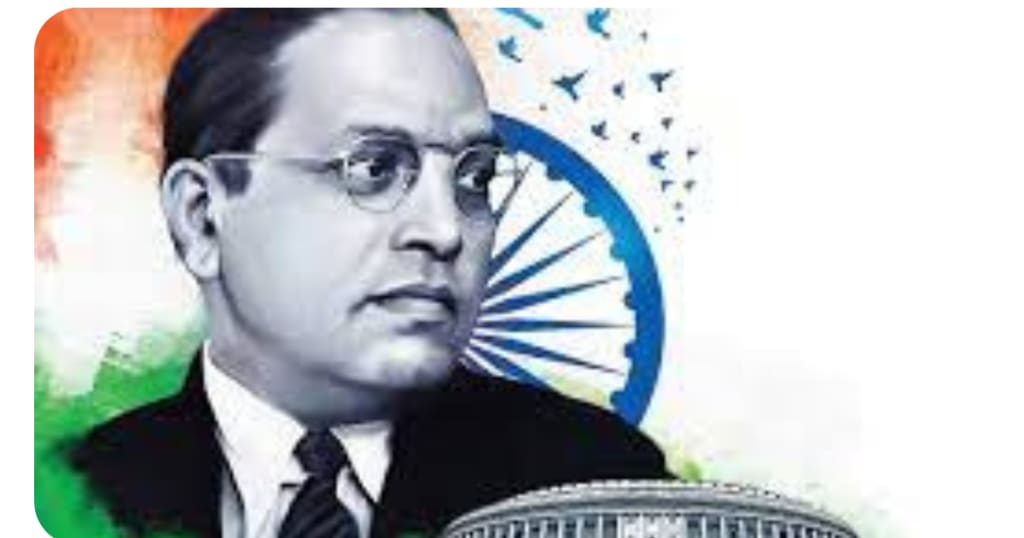
Introduction
The Indian Constitution is the supreme law of India and lays down the framework for the country's governance. It outlines the fundamental rights, duties and freedoms of citizens, the structure and powers of government, and the processes by which laws are made and disputes resolved.
The Indian Constitution was written by a Constituent Assembly, which was constituted in 1946 and comprised representatives from all states of India. Dr. B. R. Ambedkar, a prominent social reformer and political leader, is widely considered as the father of the Indian Constitution. He played a pivotal role in the drafting of the Constitution, and his ideas and vision have had a lasting impact on the development of the country.
Dr. B.R. Ambedkar: The Father of the Indian Constitution
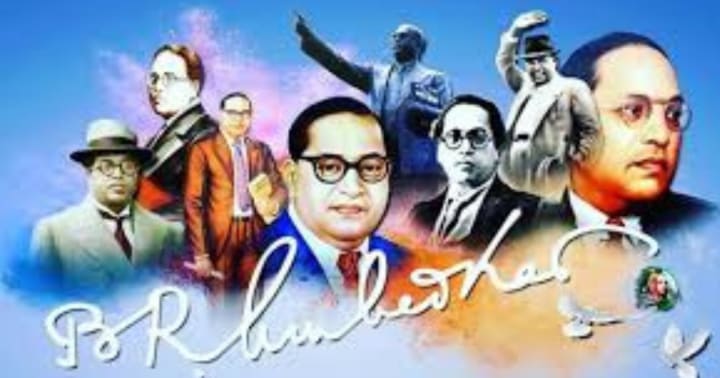
Early Life and Education: Dr. Bhimrao Ramji Ambedkar, also known as Babasaheb Ambedkar, was born on April 14, 1891 in Mhow, Madhya Pradesh, India. He was born into a Dalit family and faced discrimination and social prejudice throughout his life. Despite the challenges he faced, he was an excellent student and went on to study economics, political science and law at the University of Bombay, Columbia University, and the London School of Economics.
Political Career and Contribution to Indian Independence Movement: Ambedkar was deeply involved in the Indian independence movement and was a strong advocate for the rights of Dalits and other marginalized communities. He was a member of the India National Congress but eventually broke away from the party due to its lack of support for Dalit rights. He also led several mass movements and campaigns to secure rights for Dalits and other marginalized communities.
Role in Drafting the Indian Constitution: After India achieved independence in 1947, Ambedkar was appointed as the chairman of the drafting committee for the Indian Constitution. He played a critical role in the creation of the Constitution, advocating for the protection of individual rights, equality, and justice for all citizens. His contributions to the Constitution include the provision for affirmative action for Dalits and other marginalized communities, the promotion of education and the protection of individual freedoms.
Dr. Ambedkar's Impact on the Indian Constitution
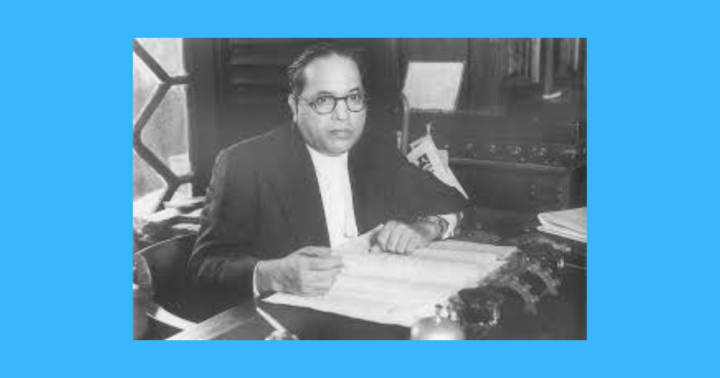
The Indian Constitution, which came into effect on January 26, 1950, is the supreme law of India. It is a comprehensive document that outlines the framework of the country's governance and lays down the fundamental rights, duties, and freedoms of citizens, the structure and powers of government, and the processes by which laws are made and disputes resolved.
Ambedkar's ideas and beliefs are reflected throughout the Indian Constitution. He was a strong advocate for social justice and equality and believed that the Constitution should protect the rights of all citizens, regardless of their religion, caste, or social status. He also believed in the importance of preserving individual freedoms and promoting education for all.
Ambedkar made significant contributions to the fundamental rights enshrined in the Indian Constitution, including the right to equality, the right to freedom of religion, speech and expression, the right to life and personal liberty, and the right to education. He also played a key role in the creation of the directive principles of state policy, which are guidelines for the government to follow in order to promote social and economic justice and the welfare of citizens.
Ambedkar was also instrumental in the creation of several important institutions in the Constitution, including the Independent Election Commission, the Public Service Commission, and the Union Public Service Commission, which are responsible for conducting free and fair elections, appointing public servants, and maintaining the impartiality of the civil service.
Legacy of Dr. B.R. Ambedkar

The ideas and principles advocated by Dr. B. R. Ambedkar continue to be relevant in contemporary Indian society and politics. His advocacy for social justice, equality, and the protection of individual freedoms remains as important today as it was during his lifetime. Ambedkar's vision of an inclusive and just society continues to inspire millions of Indians and has been instrumental in shaping the country's development.
Ambedkar's impact on Indian society and politics has been significant. He is revered as a hero by India's Dalit community and his contributions to their rights and welfare have had a lasting impact. He is also recognized as one of the country's greatest constitutional experts and his role in the creation of the Indian Constitution has earned him the title of "Father of the Indian Constitution."
To celebrate Ambedkar's legacy and contributions, the Indian government declared his birthday, April 14, as Ambedkar Jayanti and a national holiday. The day is marked by various events and activities across the country, including speeches, debates, and exhibitions, to commemorate his life and work.
Ambedkar: A Life. Book now available on Amazon
Conclusion
Dr. B. R. Ambedkar, also known as Babasaheb Ambedkar, was a social reformer, political leader, and the primary architect of the Indian Constitution. Born on April 14, 1891 in Madhya Pradesh, India, Ambedkar faced discrimination and social prejudice throughout his life due to his Dalit background. Despite the challenges he faced, he was an excellent student and went on to study economics, political science and law at the University of Bombay, Columbia University, and the London School of Economics.
Ambedkar was deeply involved in the Indian independence movement and was a strong advocate for the rights of Dalits and other marginalized communities. He was a member of the India National Congress but eventually broke away from the party due to its lack of support for Dalit rights. He also led several mass movements and campaigns to secure rights for Dalits and other marginalized communities.
After India achieved independence in 1947, Ambedkar was appointed as the chairman of the drafting committee for the Indian Constitution. He played a critical role in the creation of the Constitution, advocating for the protection of individual rights, equality, and justice for all citizens. His contributions to the Constitution include the provision for affirmative action for Dalits and other marginalized communities, the promotion of education, and the protection of individual freedoms.
It is important to remember the father of the Indian Constitution as his ideas and principles continue to be relevant in contemporary Indian society and politics. His advocacy for social justice, equality, and the protection of individual freedoms remains as important today as it was during his lifetime.
In conclusion, the legacy of Dr. B. R. Ambedkar is one of social justice, equality, and the protection of individual rights. His impact on Indian society and politics has been significant and his contributions to the Indian Constitution continue to shape the country's governance to this day. He remains an inspiration to millions of Indians and a symbol of hope for a more inclusive and just society.
About the Creator
Jeevan Ravi
𝐇𝐢, 𝐈 𝐚𝐦 𝐑𝐚𝐯𝐢!
I am A 🅱🅻🅾🅶🅶🅴🆁 & 🅳🅸🅶🅸🆃🅰🅻 🅼🅰🆁🅺🅴🆃🅴🆁 🅰🅽🅳 🅶🅾🅾🅳 🅸🅽🅵🅾🆁🅼🅰🅽🆃
I am the founder of Information HUB, and I run several online businesses.
Keep reading
More stories from Jeevan Ravi and writers in Education and other communities.
Why should be use the Semrush blog?
What is the Semrush blog? Semrush is a digital marketing tool that provides insights and data to help businesses improve their online presence and performance. The Semrush blog is a resource for digital marketers and business owners, offering tips, best practices, and industry news related to search engine optimization (SEO), content marketing, social media, and other digital marketing topics. The blog is updated regularly with articles written by experts in the field, and it provides valuable insights and advice for anyone looking to improve their online marketing efforts.
By Jeevan Ravi3 years ago in Education
Turning a History Lesson Into an Escape Room Game
History is often taught through lectures, textbooks, and timelines — methods that can feel dry and distant. But what if students could experience history instead of just reading about it? One of the most engaging ways to do this is by transforming a history lesson into an escape room game. This interactive approach combines problem-solving, teamwork, and storytelling to make history memorable and exciting.
By Games Mode On3 days ago in Education
Ai Basics Everyone Should Know for the Future
Artificial Intelligence (AI) is no longer a distant concept reserved for scientists or tech companies. It’s already shaping how we work, learn, communicate, and make decisions. From recommendation systems on streaming platforms to AI assistants that help write emails, analyze data, or generate images, AI has quietly become part of everyday life.
By Anthony Bahamonde2 days ago in Education



Comments
There are no comments for this story
Be the first to respond and start the conversation.